Retail Challenges 2022: Esade and Seidor retail technology study
Written by ISP Integration editorial teamCategory: SUCCESS STORIES
Published:
The pandemic has completely transformed the business strategies of the Spanish retail sector.
These changes are revealed in the study “Retail Challenges 2022: New perspectives and opportunities for the sector”, the second edition of this research into the main challenges facing manufacturers, large distributors and retailers in the context of the digital revolution and Covid-19, launched by Esade Creapolis, Esade's innovation park, in collaboration with technology consultancy Seidor.
The study's data reveal that technology has become established as the key factor for retailers in tackling their transformation and adapting to the characteristics of the post-pandemic competitive environment and, in particular, to the new characteristics of consumers
In this respect, one of the challenges in which technology plays a particularly important role is improving the consumer experience. With growth of 20% compared with the 2020 study, the fastest-growing concern among retailers is the need to improve their customers' customer journey through technology.
Specifically, 62% of retailers are looking to the digital environment for strategies to influence the different stages consumers go through before making their final purchase decision
Once they conclude that they need a product, potential consumers spend more time and effort gathering information about it through digital channels. This is increasingly common behaviour among consumers, who consult a range of sources before deciding to buy. Faced with this reality, retailers are using technology to provide more sophisticated, omnichannel responses (across different channels) and to offer their customers a cohesive, integrated experience.
Understanding the consumer better
In response to these new customer behaviours, understanding the consumer remains retailers' top concern. Specifically, for 85% of retailers and manufacturers this remains their main priority. For this reason, the vast majority of companies are devoting considerable effort to intelligently gathering and analysing customer data and improving the flow of that information along their chain.
However, it is not only the retail world that is focusing on the consumer. In this edition of the study, 65% of manufacturers expressed an interest in selling directly to the end buyer, in other words moving from B2B to B2C, a challenge that has grown by 22% compared with the previous study
Likewise, Oriol Alcoba, Director of Esade Creapolis, highlighted that “alongside this closer alignment of retailers with consumers, the research also shows that the transformation of retail involves other key aspects, such as the evolution of the very concept of the shop, the adoption of cashless technologies, e-commerce 4.0, the reinvention of the last mile and the consolidation of sustainability.”
The report, which was supported by Vodafone, is based on 1,500 questionnaires completed by retail companies in Spain, as well as 20 interviews with leading industry players. Among the findings, it also highlights the concern, particularly among manufacturers, about digitalising their supply chains, achieving traceability in their production and logistics chains, and advanced customer segmentation.
Convenience and sustainability
Pre-pandemic trends, such as convenience as the norm, the experiential shop and the shopping experience, remain top of mind for the sector. 80% of the companies surveyed say they have used technology to digitalise their physical shops. In addition, a large proportion of companies have reorganised their logistics due to the increase in online sales, given e-commerce greater weight in their commercial strategy and taken advantage of the pandemic to digitalise their employees' workstations.
Sustainability also remains a differentiating factor, which is why more and more companies are launching initiatives in this direction
Technology as a tool for growth
Digitalisation and the use of technology are essential to respond in the short and medium term to all the challenges for 2022. 75% of retailers admit to having redefined their operations and logistics after the pandemic and 64% have seen an increase in online sales, which has in turn affected payment methods, which are increasingly geared towards electronic transactions, new payment platforms such as Bizum, etc.
Meanwhile, Javier Alonso, Marketing & Commerce Senior Advisor at Seidor, notes that “the pandemic has boosted the importance of digitalisation in mitigating the impact of lockdown on customers whose online purchases soared, getting closer to consumers through marketplaces and improving market intelligence, among other objectives.”
You may also like
Loudspeakers K-Array for Browns' London store
Panasonic In-Store Retail Technology Solutions
Panasonic retail technology at Londis grocery in Dublin City University
Barix brings advances in RetailPlayer to InfoComm 2019
L-Acoustics covers 182 metres at Primavera Sound
Martin Audio TORUS powers Rotterdam's reborn Baroeg
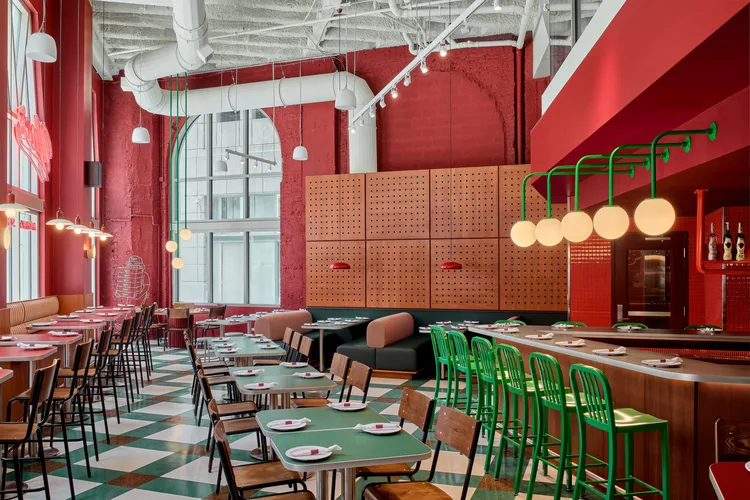
Optimal Audio sets the sound at Unc's Pizza in Detroit

LEDVANCE cuts street lighting energy by up to 75%
Vokkero keeps the Ura Bere Bidean crew connected
Biamp Vocia: a paging system running for over ten years
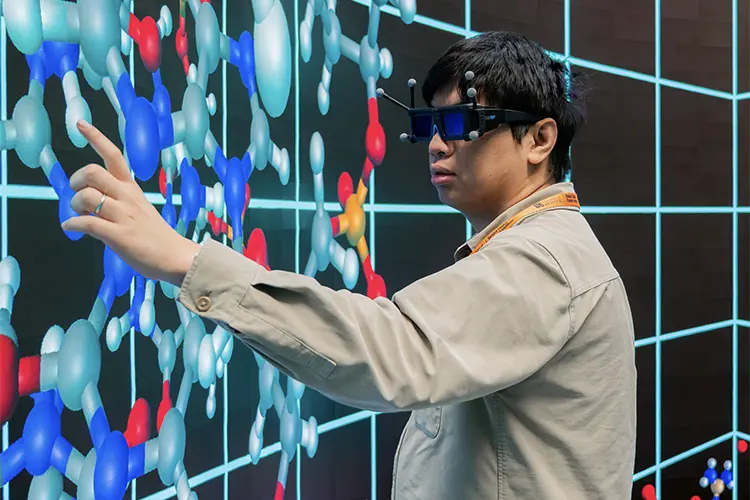
31 Million Pixels Revolutionise Simulation
Genelec provides sound for a mini-golf venue in Germany
A journey through imagery, interaction and architecture
A new look for the Barcelona Metro with Soltec
Invisible Technology, Great Experiences
Fewer loudspeakers, greater clarity in the classroom
Communication in critical situations with UDE

The Value of Sound in Hospitality and Retail
Acoustics designed for sports and events

Platform for remote projector control

Real-time information for British Airways
Crestron turns the classroom into Wall Street
Church finds its voice with OPTIMUS
Integrated audio for fine dining environments
Networked audio for multifunctional spaces
Coordinates police alerts and emergencies
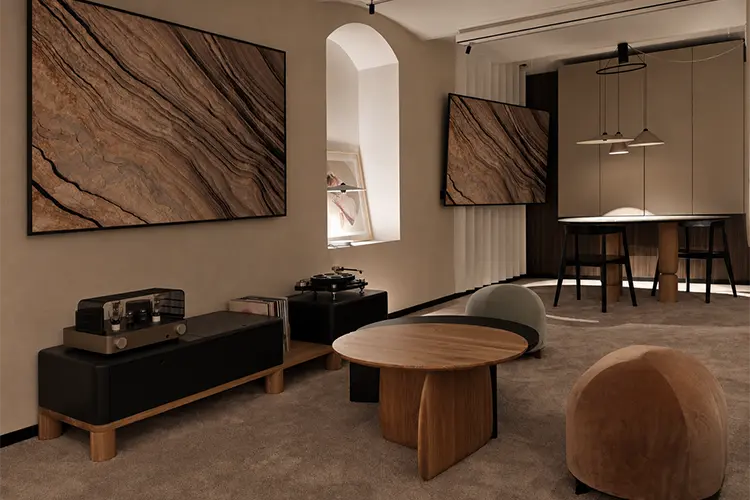
Sony technology to inspire architects
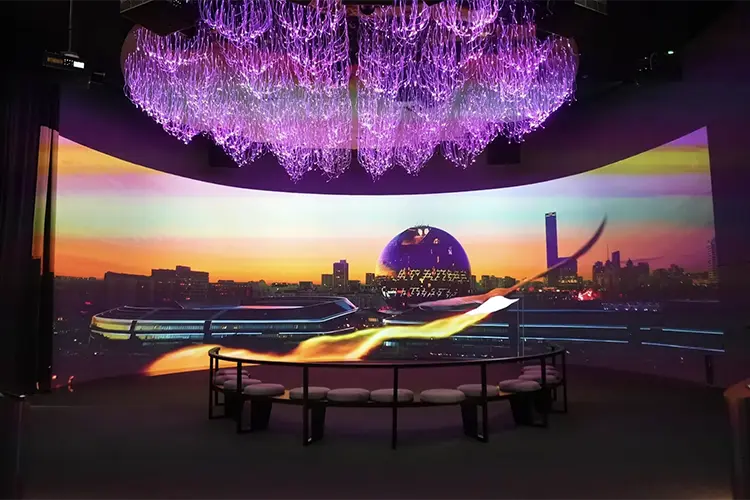
25 Barco projectors bring an AI museum to life

Anolis Illuminates the Natural Water Cycle

Aetria for Antarctic Exploration

Outdoor Displays for All Weather Conditions
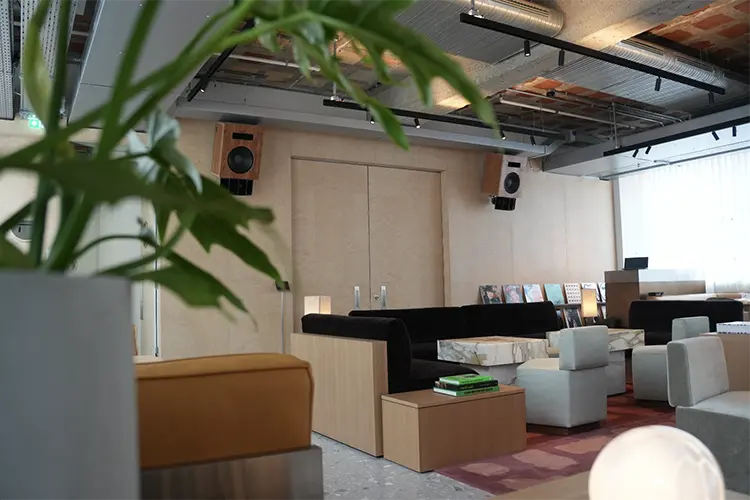
Premium audio serving retail and hospitality
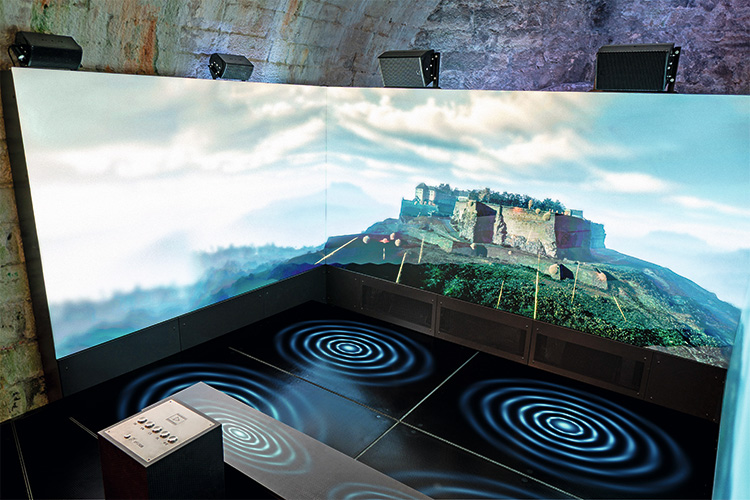
Immersive AV engineering to bring history to life
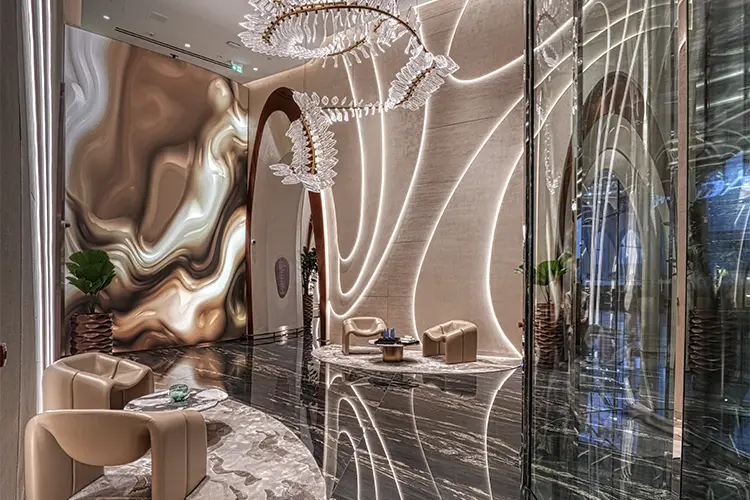
INFiLED LED at the World's Tallest Hotel

From live sound to home with L-Acoustics

Hikvision improves flood response
Premium audio drives retail performance
A digital canvas for the heart of Seattle
Atmospheres of light in the Qatari desert
Martin Audio brings sonic energy until dawn
Bilbao Brings Fans Together Through Digital Signage
A Sound Atmosphere Tailored for Retail
Universidad Europea Boosts Learning with Nureva
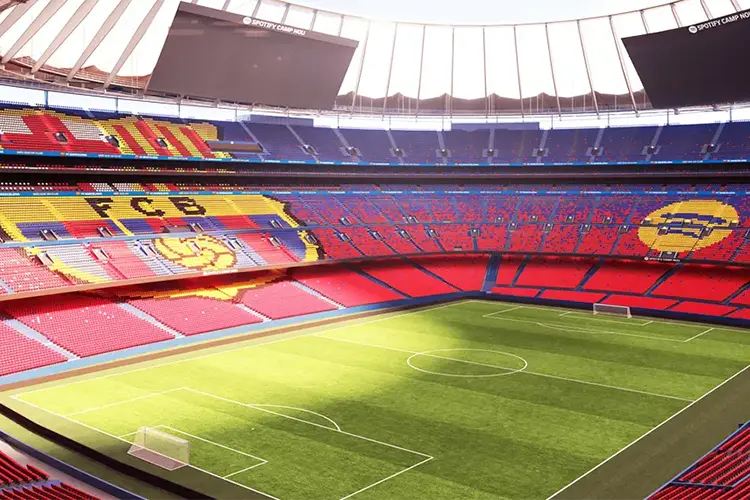
A Camp Nou designed for frictionless operation

HYRISS Technology in Residential Environments

HYRISS technology in residential environments
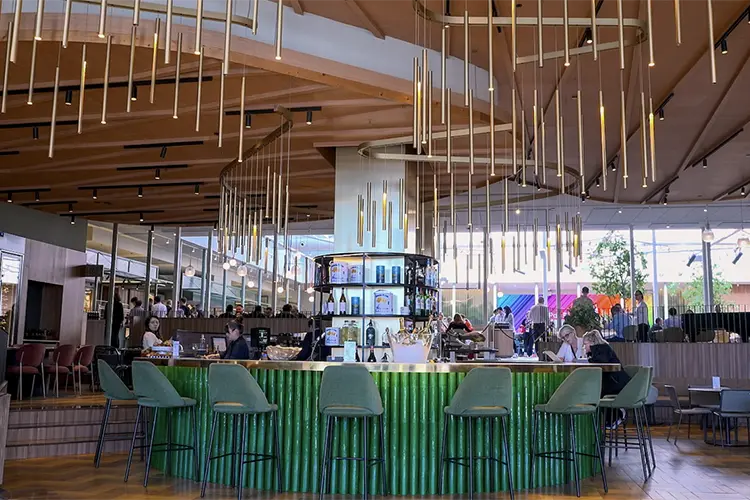
From isolated systems to smart security
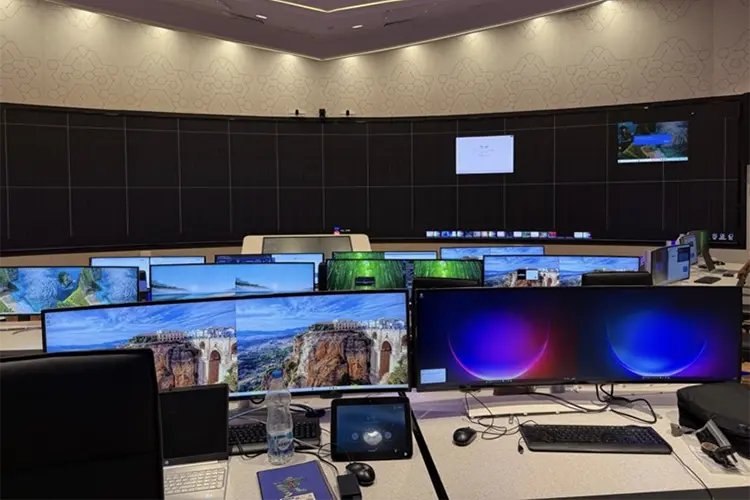
ONGC’s Operational Brain Strengthens with Datapath
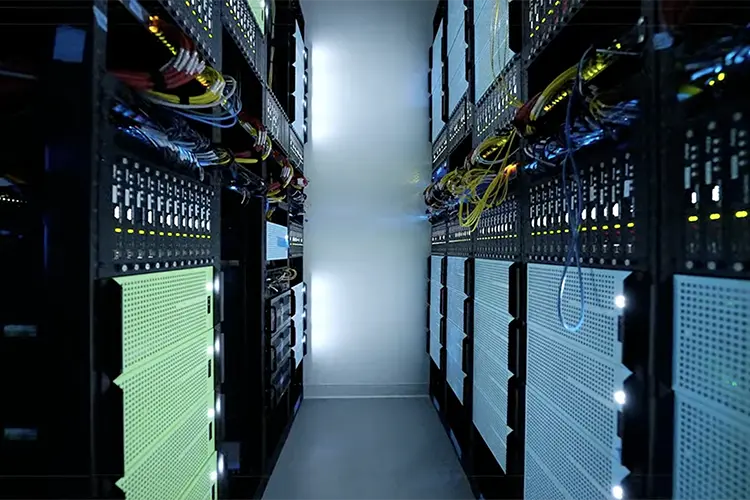
DATALAND, the new museum of AI arts
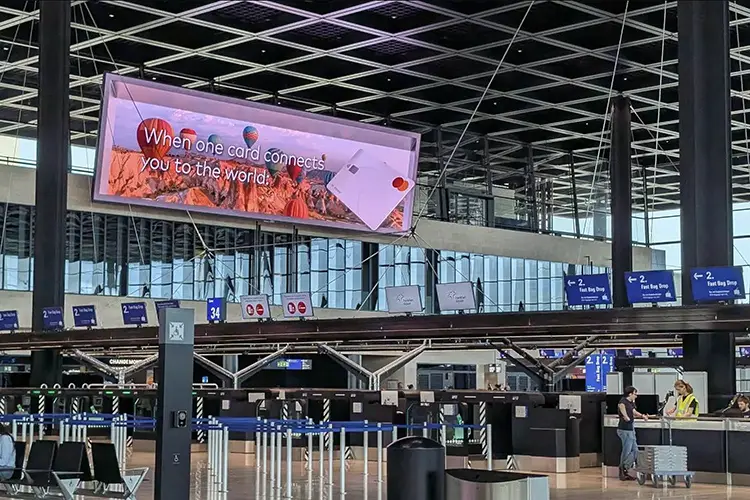
Frankfurt unveils the first native DooH terminal
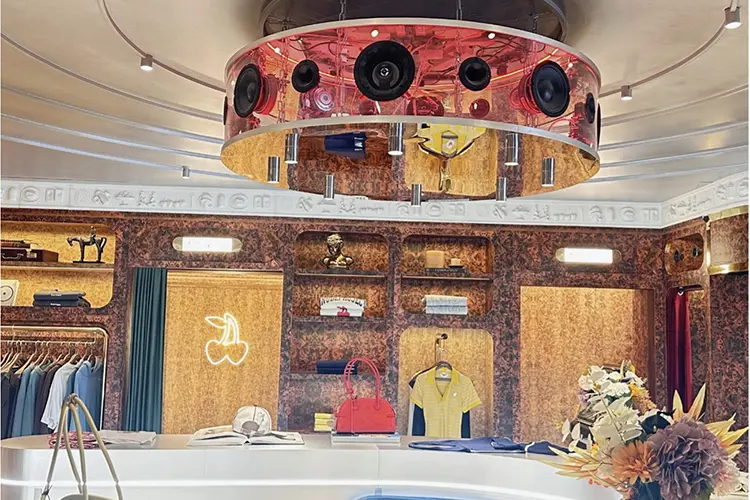
Invisible audio to reinvent retail environments
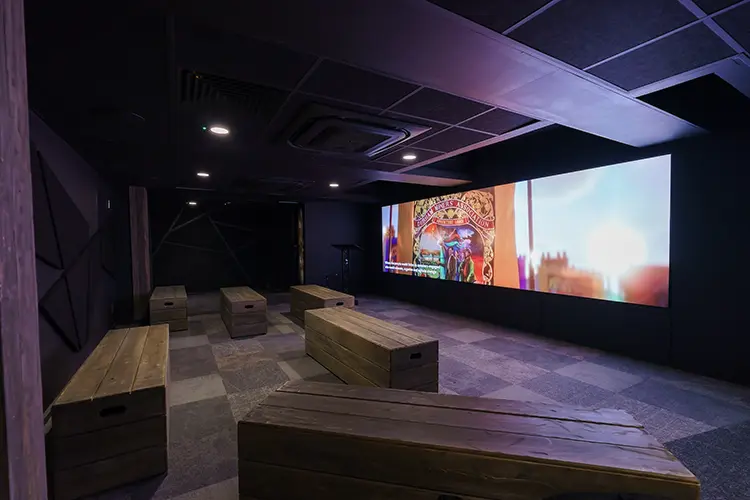
Image, sound and space: a new interpretation
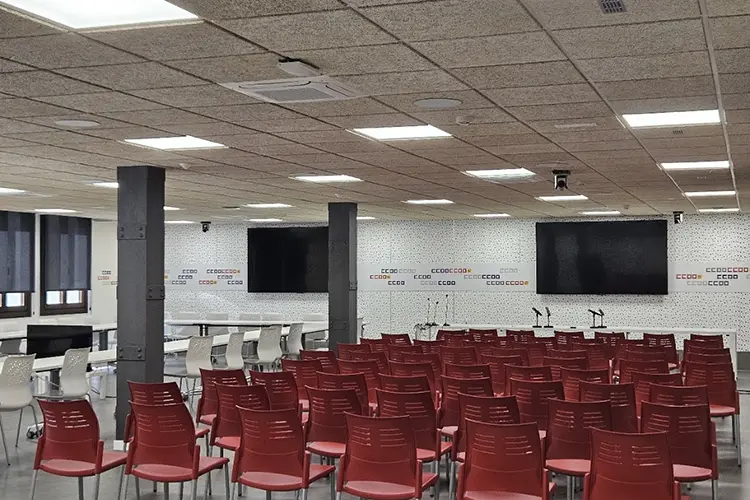
AV integration projects in Barcelona

Strategic reinforcement in the LED lighting area
Advanced hybrid education with Shure ecosystem
Multi-zone audio integration in a historic hotel in Lyon
Networked audio optimizes hotel spaces in Barcelona
Hyperclassroom in Granada with professional audio