












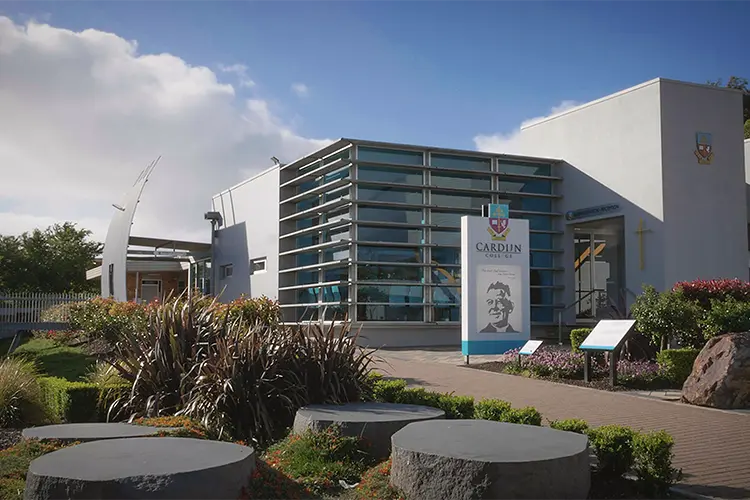
Cardijn College has been using Biamp Vocia for more than ten years to manage its paging system and emergency announcements.
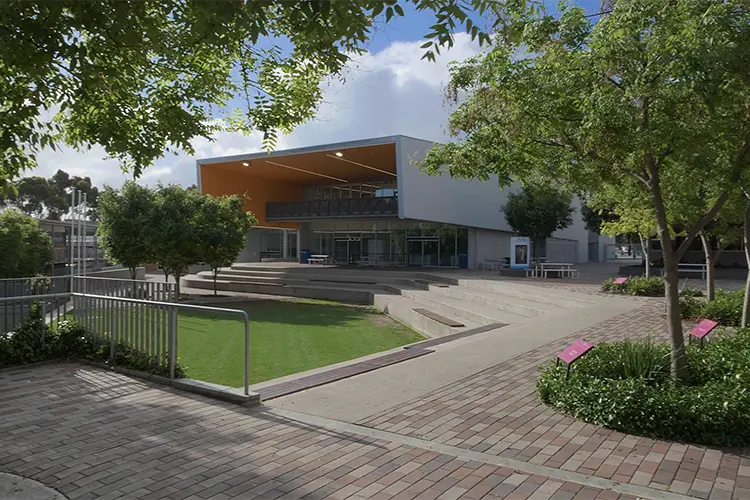
Cardijn College, a multi-campus Catholic secondary school in Adelaide, South Australia, has been using the Biamp Vocia system for more than ten years to manage bells, zoned paging and voice evacuation without interruption. The college plans to replicate this solution across its new campuses.
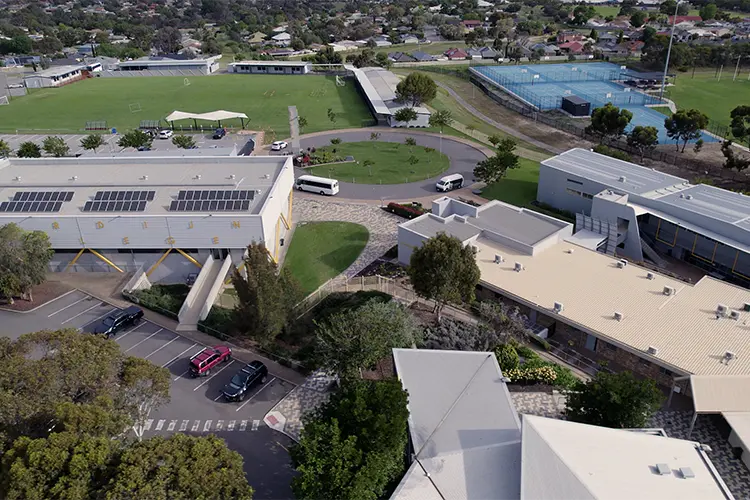
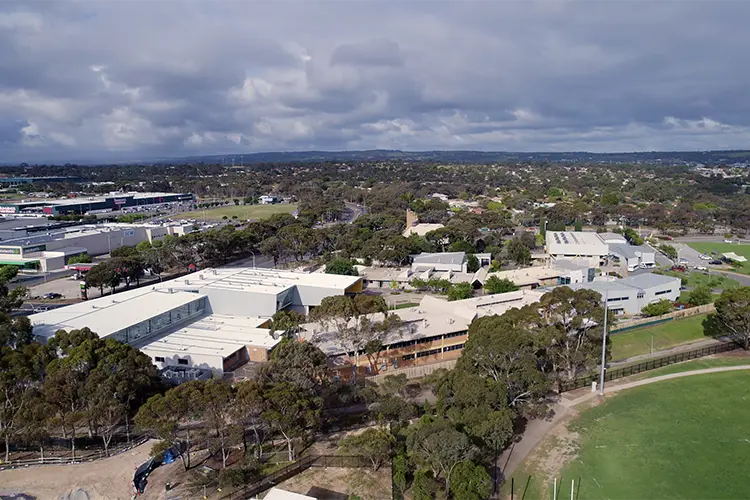
With more than 2,250 students and staff across three campuses, and a fourth under development, the college needs a reliable system to manage scheduled bells, deliver targeted announcements to specific zones and broadcast emergency evacuation messages, both indoors and outdoors.
 |
 |
I don't have to touch the Vocia system. It pretty much runs itself. The same devices I installed 10 or 12 years ago are still running today, says Tony Sayce, Information and Communications Technology Director at Cardijn College.
Zoned paging with live voice announcements
Vocia manages automated bells and zoned paging for everyday announcements and emergency messages. The system allows the recipients of each announcement to be configured, targeting staff only, students indoors, students outdoors or any combination of these groups.
 |
 |
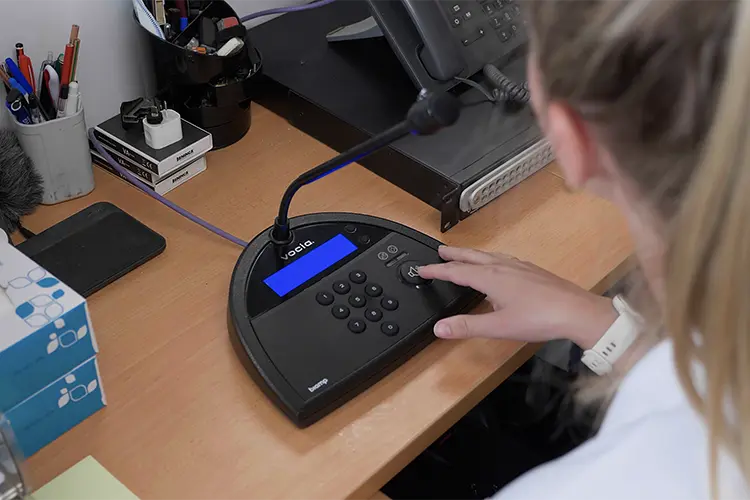
Live announcements are made from Biamp DS-10 paging stations installed in administrative areas. The college prefers live voice announcements over pre-recorded messages because students respond more effectively when they hear familiar voices, especially during emergency drills.
IP-based architecture ensures service continuity
The IP-based platform features a central processor at each campus that distributes audio over the network to the system's various devices.
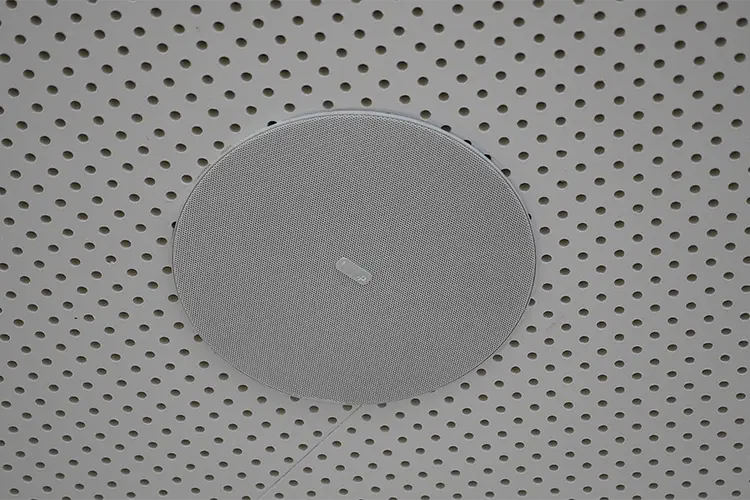
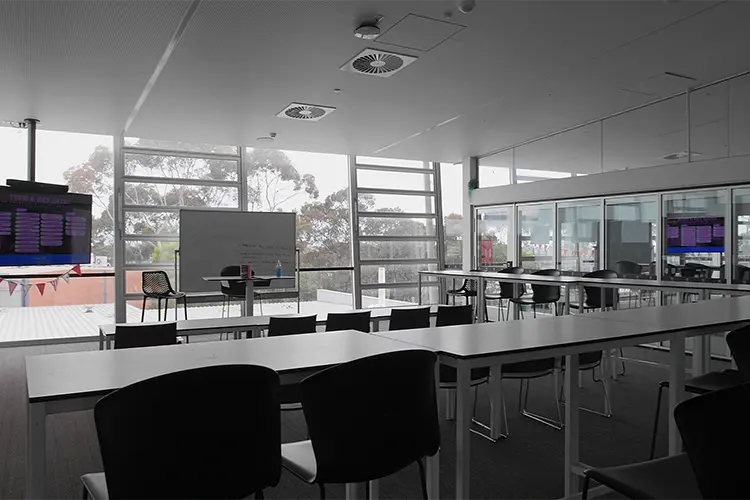
One of the main buildings on the Marian campus uses Biamp Voltera amplifiers alongside Desono in-ceiling loudspeakers.
 |
 |
Having independent central processors at each campus allows local operations to continue even during internet outages. The system has also demonstrated its ability to recover from power cuts lasting six to eight hours, automatically rebooting and resuming operation once power is restored.
The same configuration will be replicated at the Larkin and Aldinga campuses.
It's very easy to expand. Once you understand how it works, it's a very straightforward product to use, explains Sayce.
 Instagram
 Facebook
 LinkedIn
 YouTube