
enlightED 2021 closes with 25,000 participants and new awards
Written by ISP Integration editorial teamCategory: NEWS
Published:
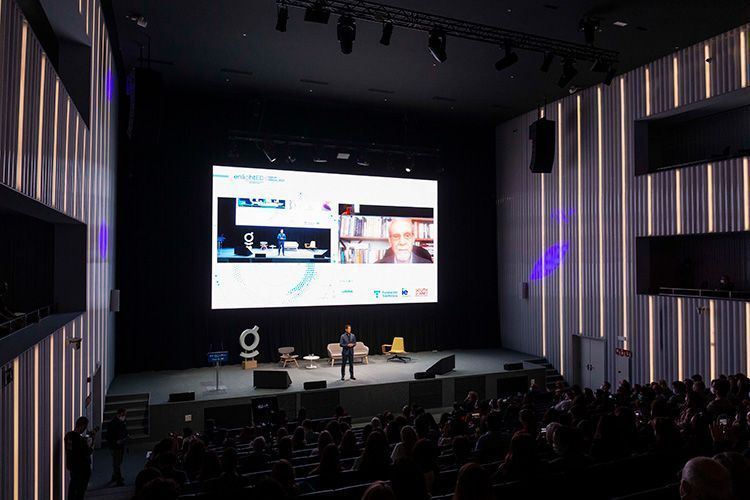
The 4th edition of enlightED, the global conference on education, technology and innovation, has drawn to a close.
Over 3 days, the event brought together more than 25,000 participants from around the world and 147 experts from 11 countries to reflect on the major educational gaps in innovation, skills and digital.
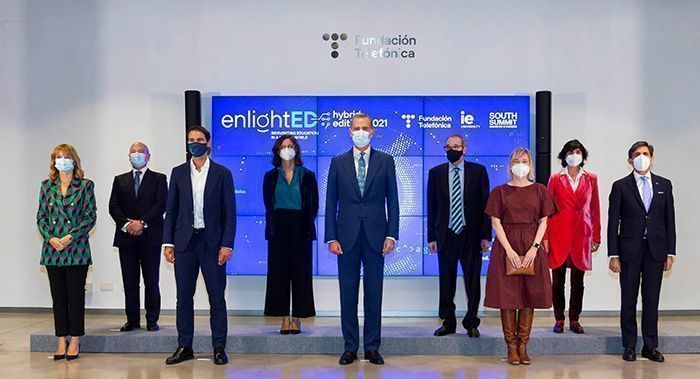
Thinkers of the calibre of Vinton Cerf, Vice President and Chief Internet Evangelist at Google and co-founder of the Internet Society; Howard Gardner, psychologist, researcher and professor at Harvard University, known in the scientific world for his theory of multiple intelligences; Michelle Weise, Vice Chancellor of Strategy and Innovation at National University System; Daniel Goleman, psychologist and author of ‘Emotional Intelligence’; Wendy Kopp, CEO and co-founder of Teach for All; Wayne Holmes, research consultant and lecturer at University College London; Olli-Pekka Heinonen, Director General of the International Baccalaureate Organization; Jeff Maggioncalda, CEO of Coursera; Kiran Bir Sethi, founder of Design for Change; and Hadi Partovi, founder and CEO of Code.org, among others, took part in this 4th edition, consolidating enlightED as the leading global event for educational innovation. They were joined by representatives of the world's leading educational institutions, such as María Brown, Minister of Education of Ecuador; Milton Ribeiro, Minister of Education of Brazil; and Pilar Alegría, Minister of Education of Spain; together with the presidents of the promoting organisations: José María Álvarez-Pallete, Chairman of Telefónica; Santiago Iñiguez, President of IE University; and María Benjumea, founder and CEO of South Summit.
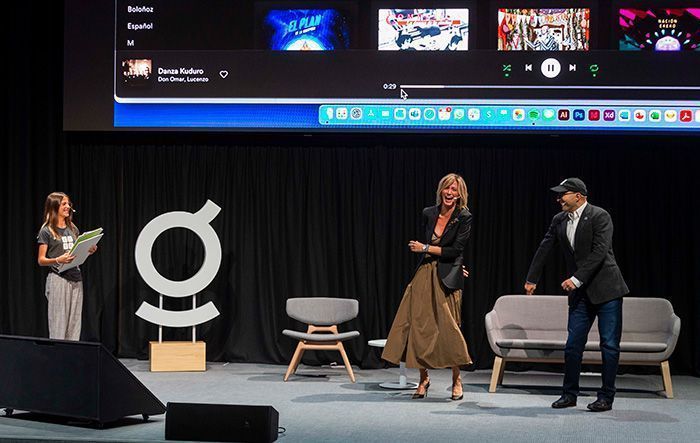
Promoted by Fundación Telefónica, IE University and South Summit, the enlightED Hybrid Edition 2021 programme included 47 round tables and discussions and 25 participatory workshops, with connections from Madrid, Buenos Aires, São Paulo, London, Montevideo, Mexico City, Quito, Santiago de Chile, Bogotá and San Francisco. All of them focused on three of the major gaps that have widened during the COVID-19 pandemic: the challenge of narrowing the innovation gap in order to transform education systems; the challenge of tackling the skills shortage in relation to new social needs; and, thirdly, how to address the lack of digital skills in order to reconnect with young people and promote positive change.
The enlightED Awards 2021 recognise best practice in entrepreneurship and educational innovation
During the final day of the conference, the winners of the enlightED Awards were announced, recognising the world's best practice in entrepreneurship and educational innovation. These awards give participants the opportunity to share with the rest of the educational community the most innovative education and digital innovation projects developed in response to the situation caused by Covid-19.
New in this edition, the categories for the best education, innovation and edTech start-ups have been joined by awards for best practice in educational innovation in corporate training, higher education, and primary and secondary education. With more than 700 entries received from more than 15 different countries, the winners of the 4th edition of the enlightED Awards are:
‘Newly created companies, start-ups and entrepreneurship ecosystems’ category:
- 1. Symba (USA) An all-in-one platform that helps organisations streamline the management of their talent development programmes, collecting key metrics for success and creating dashboards to track the long-term impact of the programmes.
‘Corporate training, lifelong learning, upskilling and continuing education’ category:
- 1. Integração de Tecnologia na Educação - InTecEdu (Brazil) A project created with the aim of promoting digital inclusion by integrating technology into public basic education.
- 2. Hacking for Humanity (Spain) An annual hackathon that brings together IT professionals, students and people of any age with no computing knowledge to solve social problems through technology.
- 3. CoderDojo Valencia, an inclusive coding club for young people (Spain). A coding club to inspire technology careers among students aged 7 to 17, with a special focus on girls.
‘Universities, Vocational Training and higher education institutions’ category:
- 1. Misión Utopía (Colombia) An Agronomic Engineering programme that creates educational and productive opportunities for young people from rural areas with limited financial resources who have been affected by violence.
- 2. MediaLab at the University of Oviedo (Spain) A technology and design lab that brings ideas to life. Students carry out their final degree projects or internships linked to robotics, IoT or 3D printing projects, while also receiving cross-disciplinary training in eco-design, ethics and communication.
- 3. Los Últimos Días de la Magia (Spain) A magic-based gamification programme aimed at developing Digital Competence during initial teacher training.
‘Primary, Secondary and Post-compulsory Secondary Education schools and projects’ category:
- 1. Huertas comunitarias STEM (Colombia) The project was created with the aim of reducing the social gap between urban and rural areas by creating STEM community gardens to contribute to food security in the San Francisco, Santa Inés and Holanda rural districts of the municipality of Pitalito, Huila, in Colombia.
- 2. PROYECTIVIDA (Colombia) An initiative that supports students' life plans through Information and Communication Technologies, respecting the environment and using innovation as a means for students to achieve all their goals and gain admission to a higher education institution or university.
- 3. Gigas for Schools (Spain) Design and development of business and social projects in the schools that make up the EDUCSI network, combining entrepreneurship and creation with Innovation and Technology.
All the winners will receive a scholarship to take one of the High Impact Online Programs taught by IE University. In addition, the 10 finalists in the entrepreneurship category will have the opportunity to pitch to leading international investors and the media, as well as meetings with large corporations and mentoring. In the Educational Innovation categories, three prizes will be awarded in each, of €2,000, €1,500 and €1,000 respectively.
You may also like

ISE 2027: a working TV studio, AI at work and 1,500 drones

Genelec bolsters its Western Europe team

SOLTEC unveils its RET-G retractable monitors
Neutrik brings TRUE1 and DR Series to JTSE 2026

TBS Education warns of AI bias when hiring staff

Panasonic and HIVE: 80% less AV infrastructure

IDC names Shure a Leader in AI meeting rooms
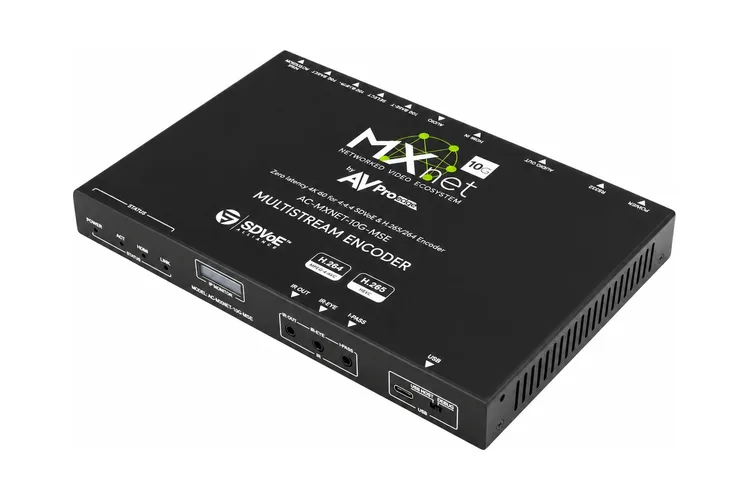
AVPro Edge MXnet 10G-MSE: 4K and H.265 from one encoder

500 Sony BRAVIA displays connect 100 stores

Sony: the traditional office is falling behind

Datapath to operate under the VITEC brand in 2027

40 giant Sony displays for collaborative learning

OPTIMUS installs 19 SIP intercoms at a Mexican power plant

LEA Cloud diagnoses issues without on-site visits

Genelec equips a music school with 143 loudspeakers

AVIXA appoints Marco Pardi as new chief executive

Spark 2027 to open with Casa Batlló mapping artists
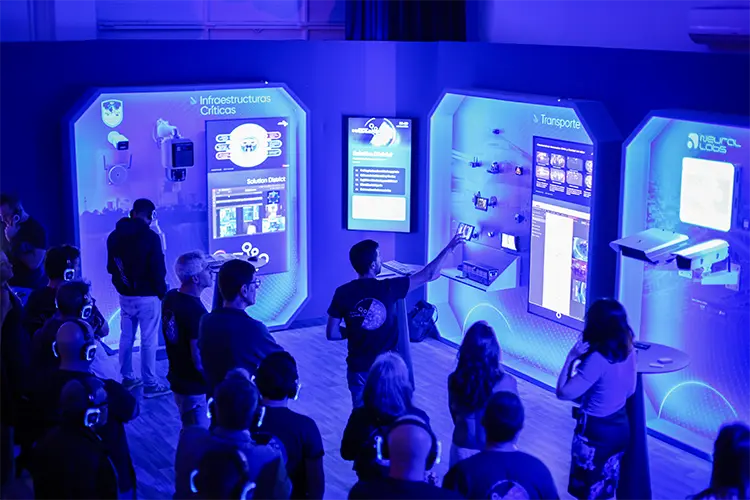
Hikvision Village: a city where it all connects
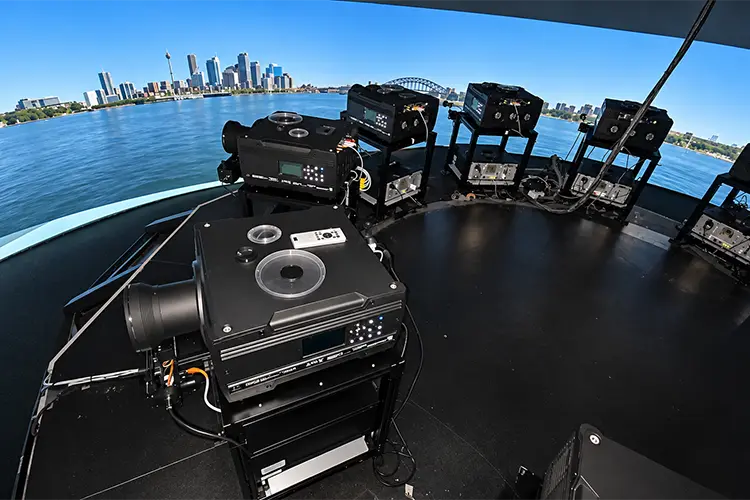
Barco recreates realistic maritime scenarios

LEDVANCE: free training in LED and smart lighting

Daktronics upgrades video and audio at Lane Stadium
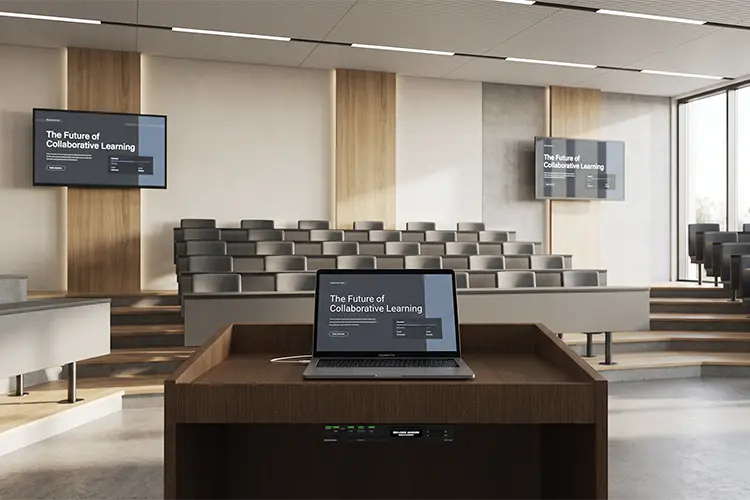
Crestron Collab Engine: meetings and AV control in one

Nureva appoints Ted Shuter as VP, Products
Kramer makes SailPoint's Pune rooms divisible

Pulse brought seven minutes of AV to InfoComm

Sony miniaturises medical imaging with the IMX742
Sony equips Crestron’s centres in London and Paris

ISLE 2027 opens visitor registration in Shenzhen

Nureva brings AI to meeting room management
Hikvision applies thermography to fire prevention
Spark 2027 opens registration and grows at Montjuïc

Ghost meetings under the technological spotlight

Genelec creates a sound forest inside Finlandia Hall

Light + Building strengthens British lighting presence

Bluesound brings licensed music to shops and hotels
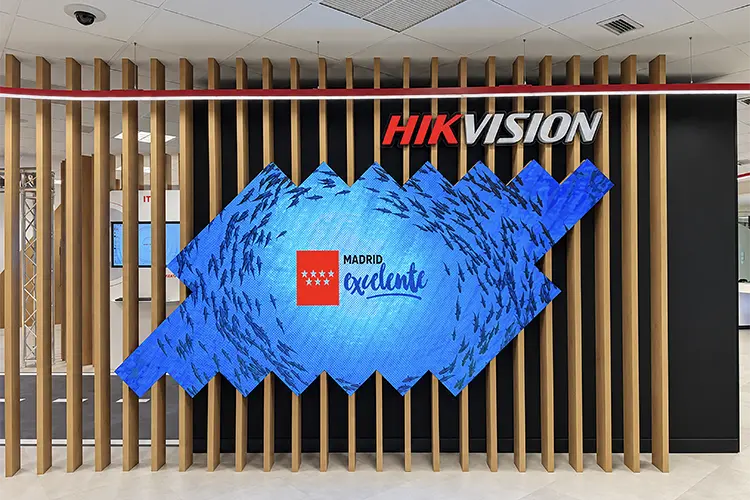
Hikvision renews its Madrid Excelente certification

Crestron develops its first proprietary AV chipset

Video Control and Distribution on a Single Platform

Immersive audio and smart rooms: how InfoComm went

Video control and distribution on a single platform
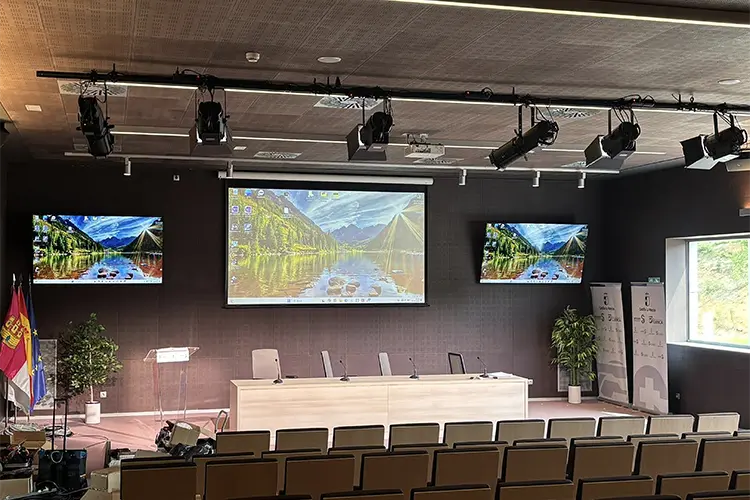
SeeSound equips Cuenca Hospital auditorium

Hikvision Village 2026 recreates a connected city

Curved displays, transparent LED and COB technology

InfoComm América Latina puts AI into practice

Mo Gawdat examines the impact of AI on businesses

IntelliMix Bar Pro takes centre stage in Shure’s strategy

OPTIMUS public address built for maximum demand

Sony equips Crestron's new Experience Centres

AV over IP: When the Network Becomes the System
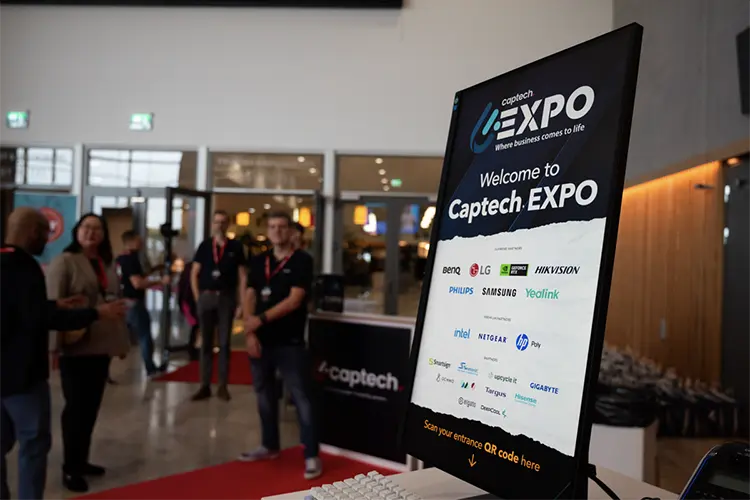
Captech EXPO Tests Technological Convergence

IFMA Spain: Technology, Spaces and People

Crestron connects more than 200 rooms at Camp Nou

Self-Service Kiosks and AI at InfoComm Latin America

Collaboration, Wireless Audio and AV Management
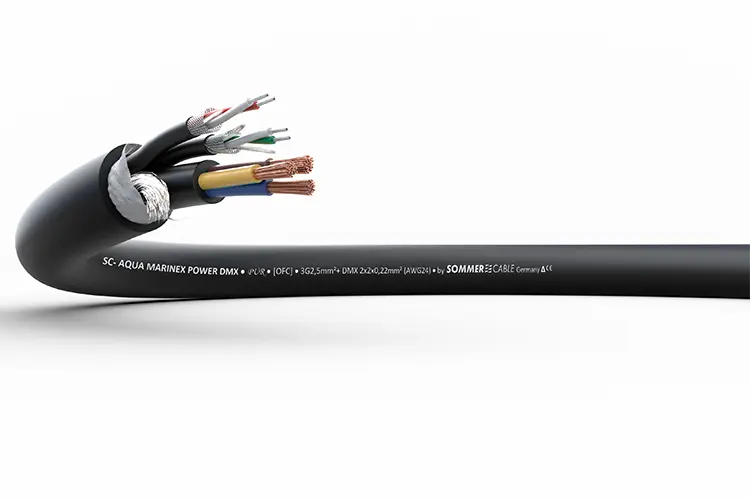
Sommer hybrid cable for underwater lighting

AVL SUMMIT by AFIAL: Exhibition and Technical Sessions

A Sharp plugin connects Q-SYS with NEC displays

AISpeech and effective listening in meetings