Coworking and flexible offices grow in Spain: Lexington
Written by ISP Integration editorial teamCategory: NEWS
Published:
The pandemic has highlighted the need for stable financial health to support economic recovery.
In fact, recovery depends not only on companies that existed before the coronavirus appeared, but also on the new businesses that have emerged in 2021 and will emerge next year.
In this respect, one of the main areas where costs can be optimised without losing service quality is physical location, especially at a time when, with a new remote working law in Spain under which 97% of workers have no regulated arrangement, firms are choosing to return to the office.
As a result, coworking spaces are emerging as the best alternative for start-ups, freelancers, SMEs and even multinationals that use this model, which also allows flexible hours, makes it easy to sign contracts without long minimum terms and encourages synergies.
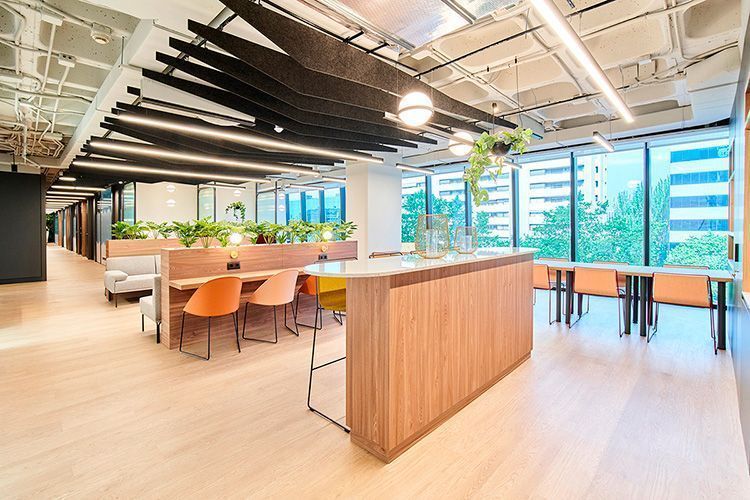
One example is Lexington, the first flexible workspace operator in Spain, which this year celebrates 40 years since opening its first location on Paseo de la Castellana. In a simulated comparison, renting an office for 20 people, working in its facilities can save up to 33% per month compared with a traditional office in terms of service and utility costs (electricity, building fees, reception staff, insurance, maintenance, cleaning and internet, among other things). To this must be added other particularly relevant items such as furniture, fit-out costs and the square metres devoted to common areas, which are free for its clients to use.
These spaces are built on an ‘all-inclusive’ model, in which the items mentioned are already covered in a single monthly invoice. In addition, the ability to adapt the space to companies’ needs at any given time makes cost optimisation even more achievable.
A model that keeps growing
Since last September, the return to normality has led to a greater supply of flexible workspace square metres, due to the current increase in demand for flex offices, which is expected to keep growing. Lexington, for example, currently has an average occupancy of 84% across its more than 14,000 m² of flexible spaces in Madrid and Barcelona, and expects it to reach 90% by the end of the year.
In addition, according to a study by real estate consultancy Cushman & Wakefield, together with the flexible workspace association ProWorkSpaces, 24% of coworking operators in Spain plan to open an additional centre in the next twelve months. The same report notes that coworking spaces in Madrid already account for 1.26% of total office stock, while in Barcelona the figure rises to 2.57%.
According to David Vega, CEO of Lexington, “current demand for our flex spaces has risen by 57% compared with the first half of the year. This clearly reflects the sector’s advantages over conventional office rental, not only because of the contractual ease and cost optimisation it offers, but also because of its distinctive features in terms of location and premium facilities for the wellbeing of work teams.”
You may also like
dnp Supernova Blade Screen delights Regus customers

HK Audio promotes Isabelle Wear to Head of Sales EMEA
ISE 2027: a working TV studio, AI at work and 1,500 drones

Genelec bolsters its Western Europe team
SOLTEC unveils its RET-G retractable monitors
Neutrik brings TRUE1 and DR Series to JTSE 2026

TBS Education warns of AI bias when hiring staff

Panasonic and HIVE: 80% less AV infrastructure

IDC names Shure a Leader in AI meeting rooms
AVPro Edge MXnet 10G-MSE: 4K and H.265 from one encoder

500 Sony BRAVIA displays connect 100 stores

Sony: the traditional office is falling behind
Datapath to operate under the VITEC brand in 2027

40 giant Sony displays for collaborative learning

OPTIMUS installs 19 SIP intercoms at a Mexican power plant

LEA Cloud diagnoses issues without on-site visits
Genelec equips a music school with 143 loudspeakers

AVIXA appoints Marco Pardi as new chief executive

Spark 2027 to open with Casa Batlló mapping artists
Hikvision Village: a city where it all connects
Barco recreates realistic maritime scenarios

LEDVANCE: free training in LED and smart lighting

Daktronics upgrades video and audio at Lane Stadium
Crestron Collab Engine: meetings and AV control in one

Nureva appoints Ted Shuter as VP, Products
Kramer makes SailPoint's Pune rooms divisible

Pulse brought seven minutes of AV to InfoComm

Sony miniaturises medical imaging with the IMX742
Sony equips Crestron’s centres in London and Paris

ISLE 2027 opens visitor registration in Shenzhen

Nureva brings AI to meeting room management
Hikvision applies thermography to fire prevention
Spark 2027 opens registration and grows at Montjuïc
Ghost meetings under the technological spotlight

Genelec creates a sound forest inside Finlandia Hall
Light + Building strengthens British lighting presence

Bluesound brings licensed music to shops and hotels
Hikvision renews its Madrid Excelente certification
Crestron develops its first proprietary AV chipset
Video Control and Distribution on a Single Platform

Immersive audio and smart rooms: how InfoComm went

Video control and distribution on a single platform
SeeSound equips Cuenca Hospital auditorium

Hikvision Village 2026 recreates a connected city

Curved displays, transparent LED and COB technology

InfoComm América Latina puts AI into practice

Mo Gawdat examines the impact of AI on businesses
IntelliMix Bar Pro takes centre stage in Shure’s strategy

OPTIMUS public address built for maximum demand

Sony equips Crestron's new Experience Centres

AV over IP: When the Network Becomes the System
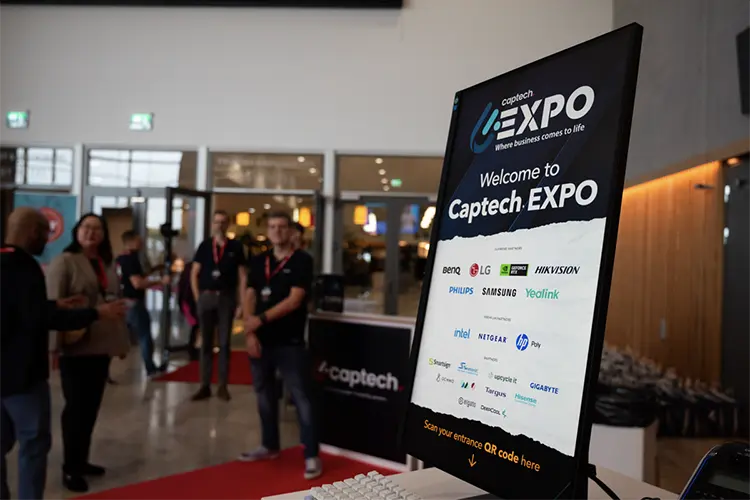
Captech EXPO Tests Technological Convergence

IFMA Spain: Technology, Spaces and People
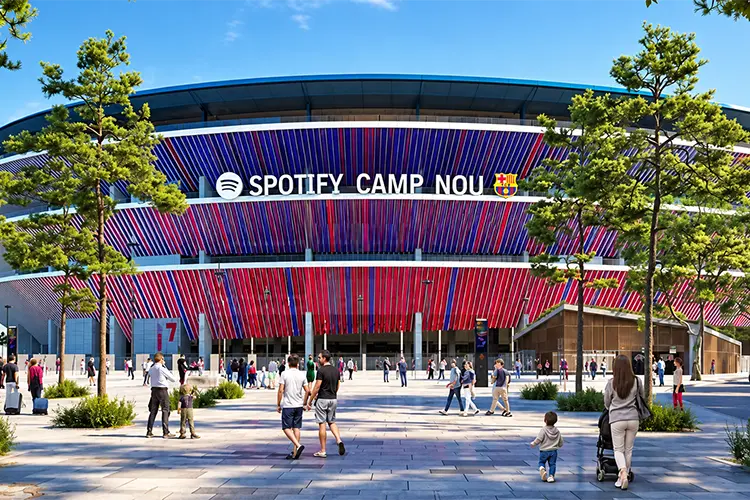
Crestron connects more than 200 rooms at Camp Nou
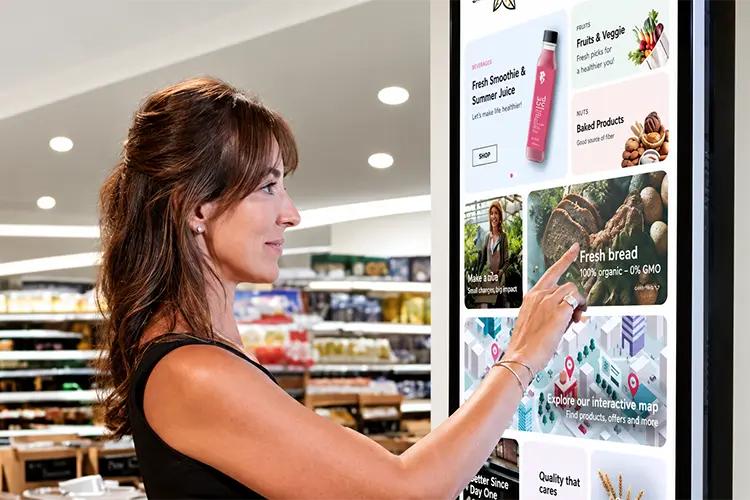
Self-Service Kiosks and AI at InfoComm Latin America
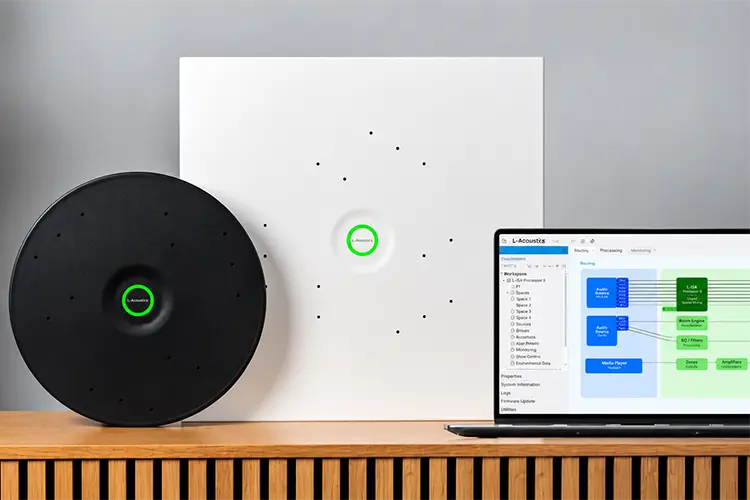
Collaboration, Wireless Audio and AV Management
Sommer hybrid cable for underwater lighting
AVL SUMMIT by AFIAL: Exhibition and Technical Sessions