
Smart city applications improve quality of life
Written by ISP Integration editorial teamCategory: NEWS
Published:
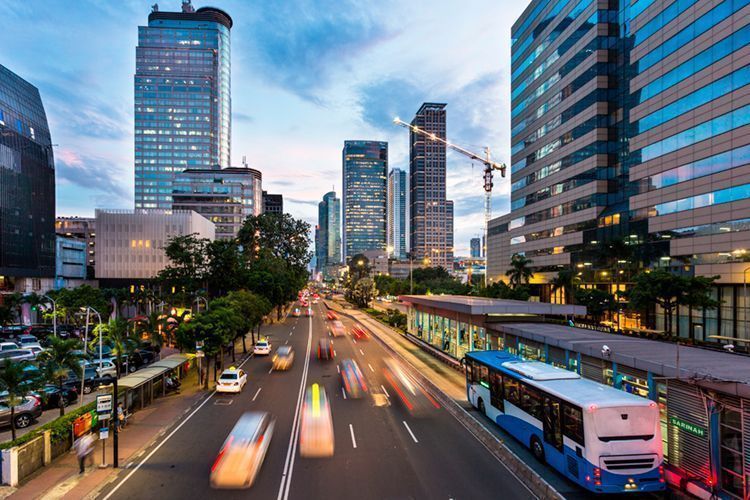
Greenhouse gas emissions could be reduced by 90% by 2050.
Urban areas are the most densely populated and produce the most pollution. A total of 55% of the world's population lives in cities, a figure expected to reach 68% by 2050, according to the United Nations.
Major cities consume as much as 75% of global primary energy and emit between 50 and 60% of the world's greenhouse gases. These emissions could be reduced by up to 90% by 2050 through the application of technological measures that benefit the population, which is the goal of smart cities.
Smart cities are defined as “the application of information and communication technologies (ICT) and information-processing capabilities to improve urban planning, design and operations”, according to the International Energy Agency.
For its part, the Organisation for Economic Co-operation and Development stresses that digitalisation aims to improve citizens' quality of life in order to achieve greater inclusion, sustainability and resilience.
The benefits of using technological tools in smart cities
Studies carried out to check whether the use of technology benefits users have produced positive results.
The McKinsey Study found that smart city applications can improve a population's quality of life by between 10 and 30%.
At present, only 10% of data on air quality, energy consumption, traffic patterns and geospatial data is used. If use were increased, this information would make it possible to improve the situation of cities.
Digital tools go beyond the use of mobile phones or apps. In the case of traffic signals, their management systems can reduce congestion by 8% and allow cars to travel at higher speeds.
It is also worth highlighting that smart charging reduces the impact of vehicles by 60%. Therefore, the elements that make up a city can be developed to benefit both the environment and the population.
The challenges facing smart cities
Although everything suggests that smart cities help to improve people's quality of life, they must also overcome a number of obstacles, which have been identified by the business school TBS Education - Barcelona.
- Data limitations. Data is protected by privacy and security policies, and there are also barriers restricting the exchange of information. To solve this, platforms need to be created where data is shared and where its protection allows transparent communication.
- Insufficient coordination. There is no channel of dialogue enabling governments to use similar mechanisms, and the resources allocated to this are insufficient. Knowledge-sharing platforms and cross-cutting networks would need to be created.
- Lack of capacity. Access to digitalisation tools is limited, as is the opportunity to seek new methods. However, the problem can be solved through initiatives that foster digital skills and the development of training programmes.
- Access to funding. Revenue is scarce and borrowing is not an option, but these threats can be overcome by promoting public-private partnerships and redirecting funding.
- The risks of digitalisation. There is no equality of access to the digital world, and digital technologies have an environmental impact. However, this can be resolved by developing new cybersecurity guidelines and carrying out inclusive projects.
The challenges have solutions, but implementing them requires more specialists in this field.
That is why the business school TBS Education - Barcelona has launched the MSc Digital Transformation & Business Innovation programme. Its structure combines innovation, change management and operations, data-driven strategy, and business and customer analytics. In this way, professionals will be able to refine the features of smart cities and improve the way of life of their inhabitants.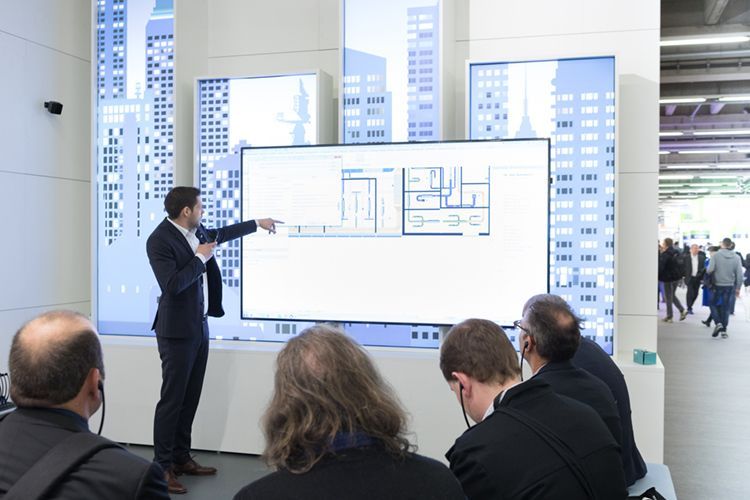
Sustainable development and the Spanish case
The characteristics of smart cities are found in the Sustainable Development Goals (SDGs) adopted by the UN.
The targets set out are related to the objectives pursued in these cities. For example, ensuring access for all to adequate housing and basic services, and increasing inclusive and sustainable urbanisation.
In the case of Spain, 10 of its cities feature in the Cities in Motion Index, and the top 5 are Barcelona, Madrid, Valencia, Seville and Málaga. All of them have innovative projects that have improved people's wellbeing, including the use of apps and the upgrading of street furniture and infrastructure.
You may also like

Smart City Expo World Congress celebrates its 9th edition

SOLTEC unveils its RET-G retractable monitors

Neutrik brings TRUE1 and DR Series to JTSE 2026

TBS Education warns of AI bias when hiring staff

Panasonic and HIVE: 80% less AV infrastructure

IDC names Shure a Leader in AI meeting rooms

AVPro Edge MXnet 10G-MSE: 4K and H.265 from one encoder

500 Sony BRAVIA displays connect 100 stores

Sony: the traditional office is falling behind

Datapath to operate under the VITEC brand in 2027

40 giant Sony displays for collaborative learning

OPTIMUS installs 19 SIP intercoms at a Mexican power plant

LEA Cloud diagnoses issues without on-site visits

Genelec equips a music school with 143 loudspeakers

AVIXA appoints Marco Pardi as new chief executive

Spark 2027 to open with Casa Batlló mapping artists

Hikvision Village: a city where it all connects
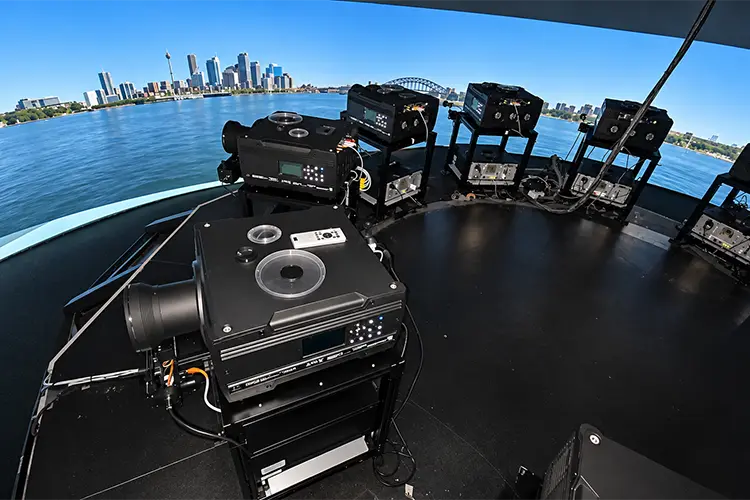
Barco recreates realistic maritime scenarios

LEDVANCE: free training in LED and smart lighting

Daktronics upgrades video and audio at Lane Stadium

Crestron Collab Engine: meetings and AV control in one

Nureva appoints Ted Shuter as VP, Products
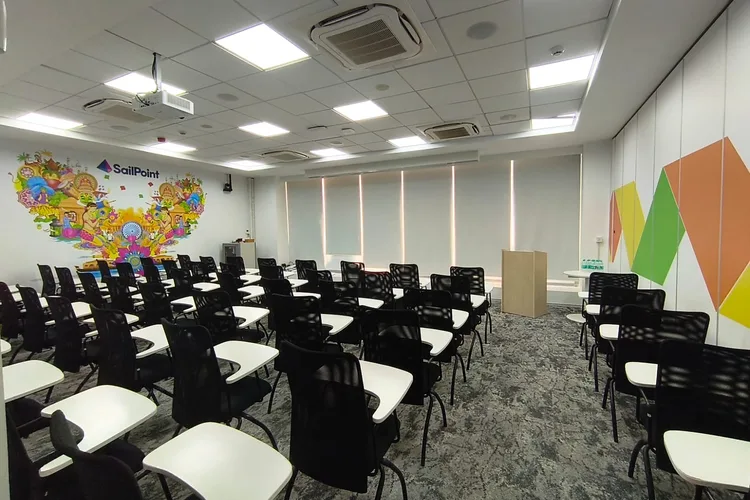
Kramer makes SailPoint's Pune rooms divisible

Pulse brought seven minutes of AV to InfoComm

Sony miniaturises medical imaging with the IMX742
Sony equips Crestron’s centres in London and Paris

ISLE 2027 opens visitor registration in Shenzhen

Nureva brings AI to meeting room management
Hikvision applies thermography to fire prevention

Spark 2027 opens registration and grows at Montjuïc

Ghost meetings under the technological spotlight

Genelec creates a sound forest inside Finlandia Hall
Light + Building strengthens British lighting presence

Bluesound brings licensed music to shops and hotels
Hikvision renews its Madrid Excelente certification

Crestron develops its first proprietary AV chipset

Video Control and Distribution on a Single Platform

Immersive audio and smart rooms: how InfoComm went

Video control and distribution on a single platform
SeeSound equips Cuenca Hospital auditorium

Hikvision Village 2026 recreates a connected city

Curved displays, transparent LED and COB technology

InfoComm América Latina puts AI into practice

Mo Gawdat examines the impact of AI on businesses

IntelliMix Bar Pro takes centre stage in Shure’s strategy

OPTIMUS public address built for maximum demand

Sony equips Crestron's new Experience Centres

AV over IP: When the Network Becomes the System

Captech EXPO Tests Technological Convergence

IFMA Spain: Technology, Spaces and People

Crestron connects more than 200 rooms at Camp Nou
Self-Service Kiosks and AI at InfoComm Latin America

Collaboration, Wireless Audio and AV Management

Sommer hybrid cable for underwater lighting

AVL SUMMIT by AFIAL: Exhibition and Technical Sessions
A Sharp plugin connects Q-SYS with NEC displays

AISpeech and effective listening in meetings

ISE 2027 expands its technological and creative universe