Madrid-Barajas Airport: the engineering behind its expansions
Written by ISP Integration editorial teamCategory: NEWS
Published:
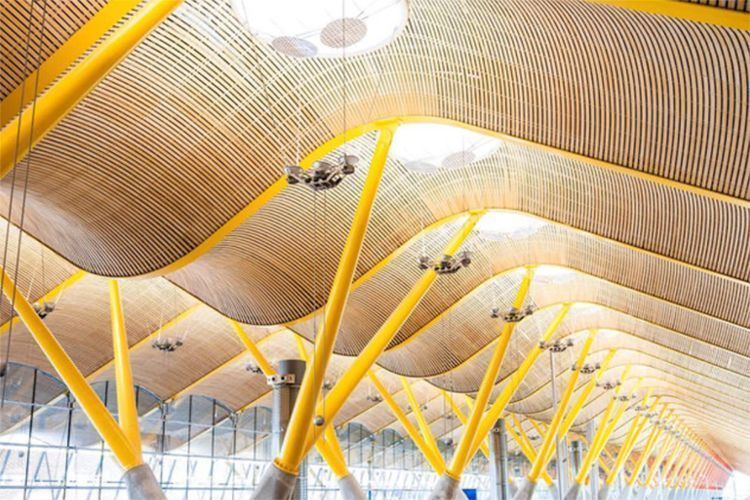
Adolfo Suárez Madrid-Barajas Airport was created to replace the Getafe and Carabanchel airports.
Commercial operations began in 1933, with 378 flights and 2,873 passengers carried.
Industrial revolutions over the years forced the airport to undergo successive refurbishments, the first of which took place in 1944, consisting of paving the 1,400-metre runway.
From that year on, the number of passengers passing through the airport kept rising, reaching half a million passengers in the 1950s and continuing to grow in the years that followed. This meant the airport had to adapt to new needs, and in 1954 construction began on a new terminal, known as the National Terminal, complemented by a cargo terminal and parking stands for cargo aircraft.
In 1965 the airport was renamed Madrid–Barajas Airport, and in the 1970s traffic exceeded four million passengers a year, so in 1971 construction began on a new passenger terminal exclusively for international traffic, known as Terminal T-1.
In 2000, to increase the airport's capacity to 70 million passengers a year, the so-called Barajas Plan was launched to expand the airport. It culminated on 4 February 2006 with the opening of a new terminal area, which included the current T4 and its satellite building, T4S, equipped with the most modern resources for this type of facility (automated passenger transport and automated baggage handling systems, new runways and taxiway systems, aprons, control tower, car parks, road systems, and auxiliary and complementary services).
As we have seen, the airport's transformation since its beginnings has been continuous, driven by the growth in passengers, with interesting technical aspects inherent in building the various expansions. This event therefore aims to have those involved, true experts in the field, explain – at least in part – the processes behind its development.
This latest expansion was a real challenge, and although for the general public the most visible part of the Plan may have been the terminal buildings, the other works were in fact of greater importance from an aeronautical point of view, not forgetting the human aspects of managing people and baggage. The speakers, key players in this colossal undertaking, will describe the heroic human efforts they had to make, only possible thanks to their excellent knowledge and enthusiasm.
The high level of professionalism of the human and technical teams of the companies involved in the construction made it possible to follow AENA's guidelines accurately and achieve effective collaboration and coordination in every aspect of the works, without which it would have been very difficult to tackle their complexity.
The airport land was originally open moorland, but progress, not always well directed, led to the whole surrounding area becoming filled with buildings, with the resulting difficulty of resolving issues of noise pollution, road links, compulsory purchases and so on, all painstakingly resolved by AENA.
The human and technical worth of those involved, the speakers at this event, has given rise to one of the best airports in the world. The Instituto de la Ingeniería de España expresses its recognition of this work of Spanish engineering and thanks the speakers for their collaboration in holding this event.
You may also like
Genelec bolsters its Western Europe team
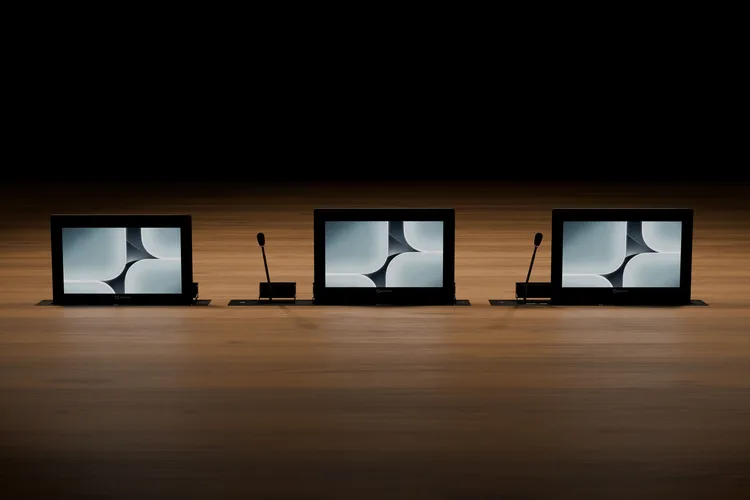
SOLTEC unveils its RET-G retractable monitors
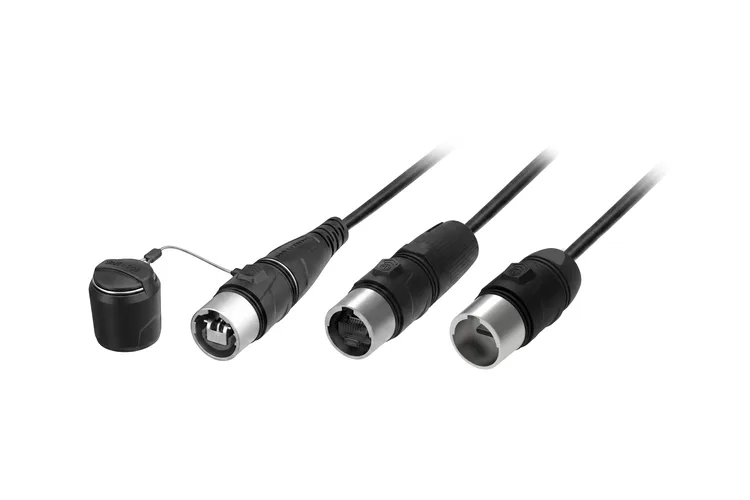
Neutrik brings TRUE1 and DR Series to JTSE 2026

TBS Education warns of AI bias when hiring staff
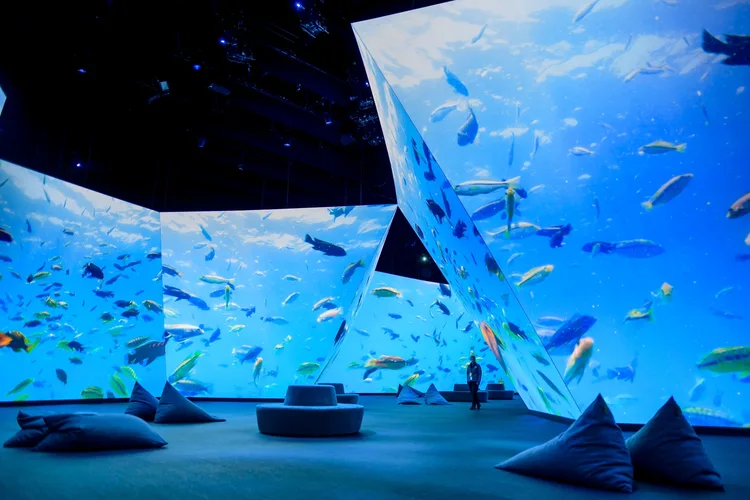
Panasonic and HIVE: 80% less AV infrastructure

IDC names Shure a Leader in AI meeting rooms

AVPro Edge MXnet 10G-MSE: 4K and H.265 from one encoder

500 Sony BRAVIA displays connect 100 stores

Sony: the traditional office is falling behind
Datapath to operate under the VITEC brand in 2027

40 giant Sony displays for collaborative learning

OPTIMUS installs 19 SIP intercoms at a Mexican power plant
LEA Cloud diagnoses issues without on-site visits
Genelec equips a music school with 143 loudspeakers

AVIXA appoints Marco Pardi as new chief executive
Spark 2027 to open with Casa Batlló mapping artists
Hikvision Village: a city where it all connects
Barco recreates realistic maritime scenarios

LEDVANCE: free training in LED and smart lighting

Daktronics upgrades video and audio at Lane Stadium
Crestron Collab Engine: meetings and AV control in one

Nureva appoints Ted Shuter as VP, Products
Kramer makes SailPoint's Pune rooms divisible

Pulse brought seven minutes of AV to InfoComm
Sony miniaturises medical imaging with the IMX742
Sony equips Crestron’s centres in London and Paris
ISLE 2027 opens visitor registration in Shenzhen

Nureva brings AI to meeting room management
Hikvision applies thermography to fire prevention
Spark 2027 opens registration and grows at Montjuïc

Ghost meetings under the technological spotlight
Genelec creates a sound forest inside Finlandia Hall
Light + Building strengthens British lighting presence
Bluesound brings licensed music to shops and hotels
Hikvision renews its Madrid Excelente certification
Crestron develops its first proprietary AV chipset
Video Control and Distribution on a Single Platform
Immersive audio and smart rooms: how InfoComm went

Video control and distribution on a single platform
SeeSound equips Cuenca Hospital auditorium

Hikvision Village 2026 recreates a connected city
Curved displays, transparent LED and COB technology
InfoComm América Latina puts AI into practice

Mo Gawdat examines the impact of AI on businesses
IntelliMix Bar Pro takes centre stage in Shure’s strategy

OPTIMUS public address built for maximum demand

Sony equips Crestron's new Experience Centres

AV over IP: When the Network Becomes the System

Captech EXPO Tests Technological Convergence

IFMA Spain: Technology, Spaces and People
Crestron connects more than 200 rooms at Camp Nou

Self-Service Kiosks and AI at InfoComm Latin America
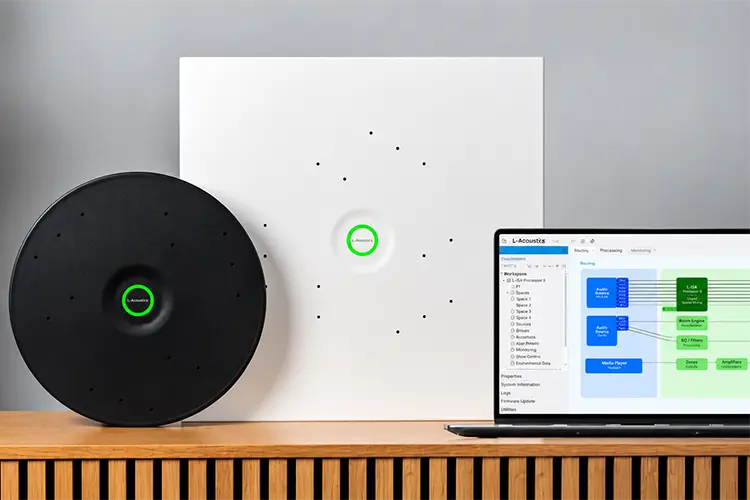
Collaboration, Wireless Audio and AV Management
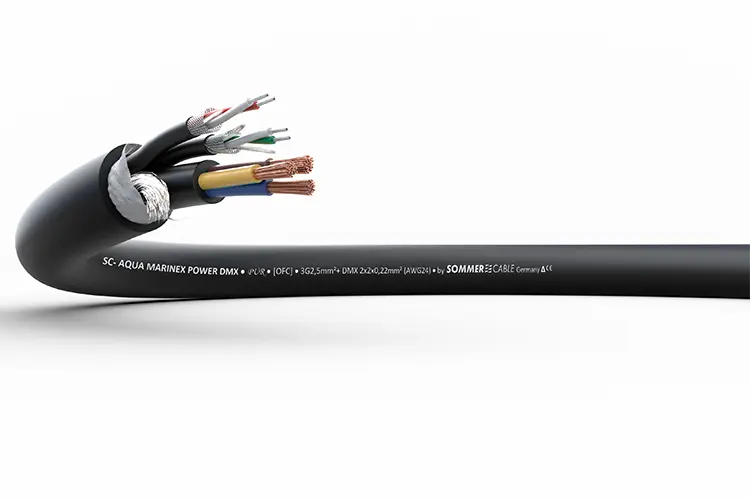
Sommer hybrid cable for underwater lighting

AVL SUMMIT by AFIAL: Exhibition and Technical Sessions
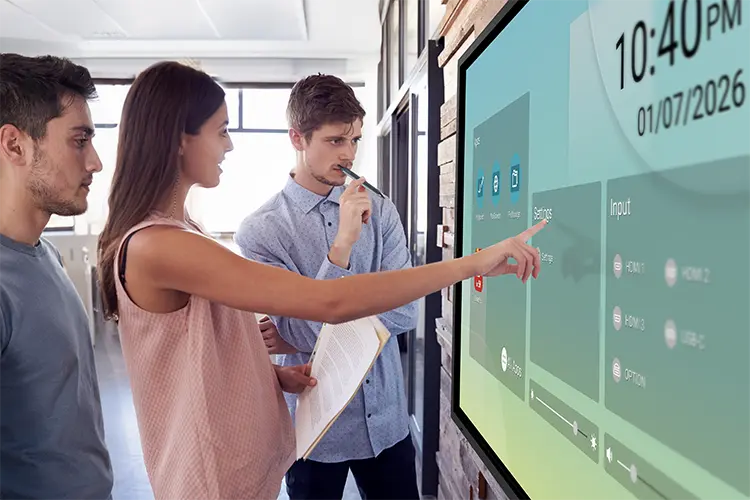
A Sharp plugin connects Q-SYS with NEC displays
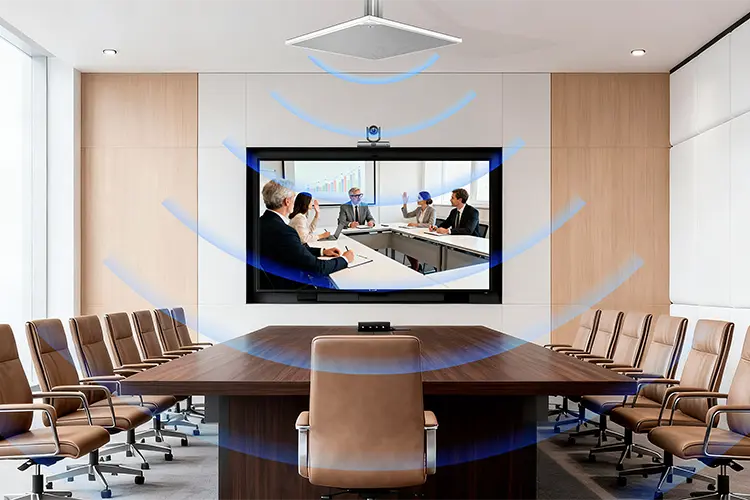
AISpeech and effective listening in meetings
ISE 2027 expands its technological and creative universe