By Demes smoke detectors: types, installation and maintenance
Written by ISP Integration editorial teamCategory: NEWS
Published:
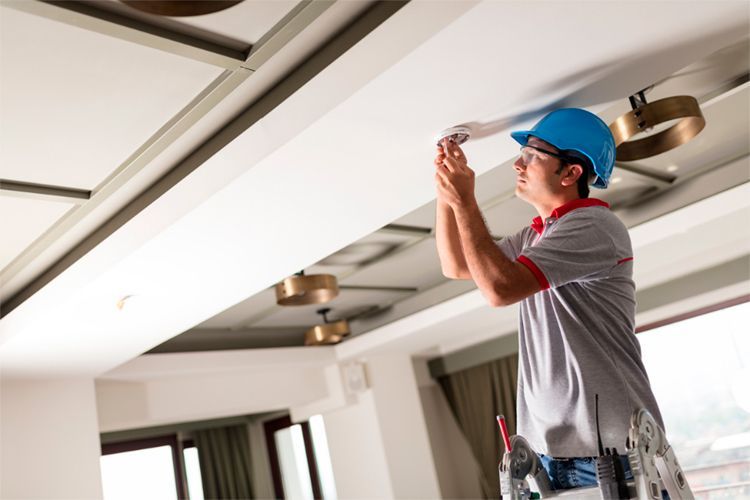
In professional installations, fire risks can be neither minimised nor ignored.
Although regulations already require hotels, industrial buildings and residential communities, among others, to be equipped with fire protection devices, it is essential to have a complete fire protection solution made up of state-of-the-art smoke detectors that can detect a fire and enable action to be taken as quickly as possible.
At By Demes, they offer customers the largest catalogue of fire prevention solutions and devices from the most prominent brands in the sector. In fact, in terms of prevention, there are no more effective devices than smoke and fire detectors to guarantee maximum safety in your projects. At the same time, it is also necessary to know how to install them correctly.
By Demes shares a short guide to smoke detectors with its customers: types, installation and maintenance.
Essential tips for offering the most advanced fire detector solutions on the market. There is also a short selection of the best devices from their catalogue of FPS (Fire Protection Systems) products.
What are smoke detectors and what are they for?
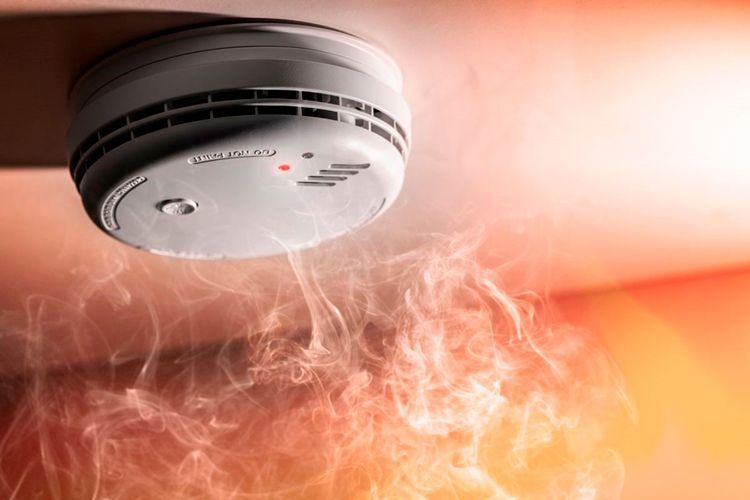
Smoke detectors (or fire detectors) are devices capable of detecting different types of combustion. Before a fire breaks out, not only smoke is produced but also gases and other indicators (which the system will be able to identify and report by means of alarms). It should therefore be noted that smoke detectors are in fact one type of fire detector.
The purpose of installing fire detectors is to anticipate and prevent a possible fire thanks to the analytical capabilities of smoke and fire sensors.
Given that fires can be caused by simple mistakes, mishandling or unforeseeable incidents such as short circuits, it is highly advisable to equip your premises with smoke and fire detectors to prevent a possible tragedy and save lives.
How do smoke and fire detectors work?
Among the different operating modes, a distinction is made between systems based solely on smoke detection (optical) and other forms of detection, which may be heat, flame or radiation detection.
In the case of smoke detectors, the main operating mode is:
- Optical detectors (or photoelectric): these use light scattering as the sensor inside the device, so that when combustion occurs and smoke enters the detector, altering the diffusion of the LED light, this change serves as an indicator to detect and report possible combustion in the indoor space.
Considering the other means of detection, there are:
- Heat detectors: in this case the sensors do not focus on the presence of smoke but on picking up abnormally high temperatures and possible combustion, which means the device qualifies as a fire detector rather than a smoke detector. The sensors are then triggered when the temperature exceeds the limit set from the device's control panel.
- Flame and radiation detectors: in this case, the sensors focus directly on detecting flames to indicate a fire. The optical method used to detect smoke is also useful for detecting flames, as they emit electromagnetic radiation that is easy for the sensors to identify.
Types of smoke detectors available from By Demes
The smoke and fire detector solutions available from By Demes are divided into two main categories: analogue systems and conventional systems. The difference lies in the fact that an analogue system is able to identify the device that was triggered, whereas a conventional system only indicates the zone in which the detectors were triggered.
Within these two categories, there are different types of smoke and fire sensors: optical, heat, rate-of-rise and optical-heat.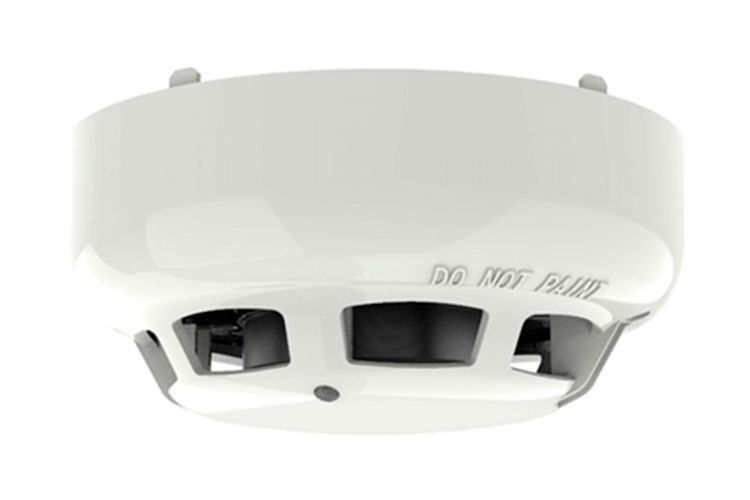
Analogue Detectors
- Analogue Optical Detectors
HOCHIKI Foc-844 photoelectric smoke detector: variable sensitivity, electronically addressed, high-performance removable chamber, twin LEDs provide 360° visibility. - Analogue Heat Detectors
COFEM-4 analogue heat sensor for fire detection: analogue heat sensor for fire detection, activation at 55°C, dual alarm LED, EN 54 part 7. - Analogue Rate-of-Rise Detectors
HOCHIKI FOC-562 analogue heat/rate-of-rise detector: 360° visible indicators, electronically addressable, variable sensitivity, white polycarbonate, EN54. - Analogue Optical-Heat Detectors
COFEM-2 optical-heat detector for fire detection: dual alarm LED, activation at 55°C, EN 54 part 7.
Conventional Detectors
- Conventional Optical Detectors
Morley-IAS MORLEY-108 optical detector: ECO series conventional system, built-in LED function, output for action indicator, EN54-5 Class A1S certified, requires MORLEY-58 (ECO1000B) mounting base. - Conventional Heat Detectors
HOCHIKI FOC-838 heat detector: electronic linear heat detection, remote indicator output, LEDs visible through 360°, fixed-temperature detector, IP63 protection. - Conventional Rate-of-Rise Detectors
COFEM-27 conventional rate-of-rise detector for fire detection: activation at 55°C, dual alarm LED, EN54-4 Class A2R. - Conventional Optical-Heat Detectors
HONEYWELL MORLEY-106 combined optical-heat conventional detector: 24V DC, PC/ABS housing, EN54-5, EN54-7.
Installation and maintenance of smoke detectors
As mentioned above, it is not enough simply to have smoke detectors and fire alarms; it is equally important to know where to place them efficiently and how to keep them in good working order at all times.
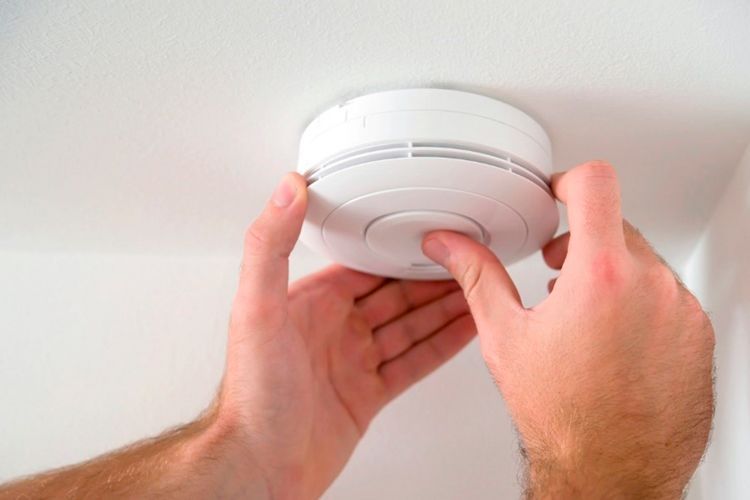
Where should smoke and fire detectors be placed?
To begin with, an installation plan must be drawn up to choose the indoor locations where the FPS devices will be installed.
To cover the maximum area, it is advisable to install at least one detector per room, which will shorten the time between the start of combustion and the moment it is detected and signalled by the alarm. Priority should therefore be given to the rooms that require most monitoring, such as those with many electronic devices plugged in or with a significant heat source that poses a risk.
As smoke rises, it is advisable to position detectors on the ceiling, preferably in the centre, where heat and smoke concentrate, or at least 50 cm from the corners. If they are installed on a wall, they should be no more than 30 cm below the ceiling, as otherwise detection capability would be reduced. In addition, a maximum distance of 12 metres between smoke and fire detectors is recommended to cover all the available space.
In addition, when positioning the devices, proximity to heat sources such as radiators or other types of heating should be avoided, as should ventilation grilles, which could mislead the smoke sensors.
Maintenance of smoke detectors
In order to keep fire protection devices in good condition, and bearing in mind that they will need to be replaced at some point, a few steps are necessary:
- Cleaning: detectors must be kept clean to ensure that the sensors can detect fires. It is advisable to remove accumulated dust periodically with a vacuum cleaner or a soft brush. For thorough cleaning, the system will need to be dismantled to access all areas.
- Battery management: if alkaline batteries are used, they will need to be changed every year, so the use of lithium batteries, which last longer, is recommended. To check whether the batteries need changing, it is also advisable to carry out periodic operating tests by deliberately triggering the alarm from the device itself.
- Replacing detectors: after 8 to 10 years of use, smoke and fire detectors will need to be replaced. This is an opportunity to install more modern devices that keep up with the latest technological innovations.
You may also like

Security for retail, storage, building sites and people
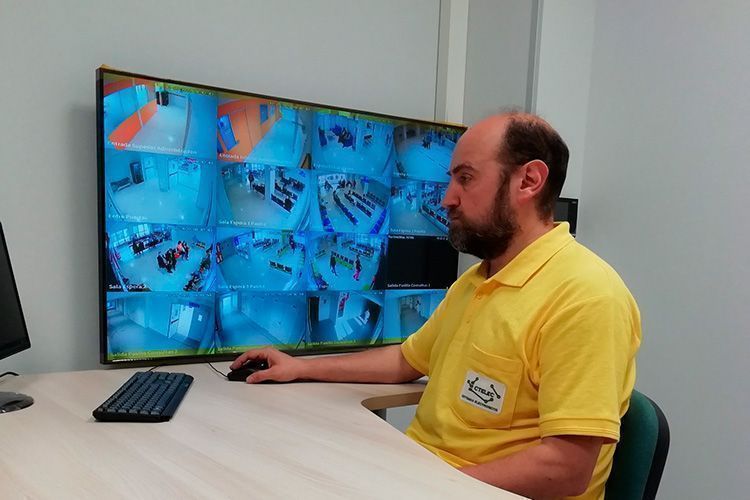
Santa Bárbara Hospital Soria: CCTV and access control by By Demes
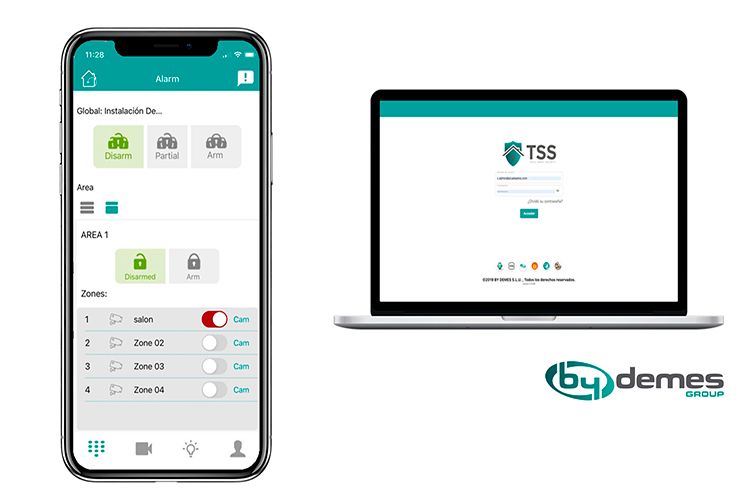
By Demes launches Total Smart Security (TSS) multi-brand app
By Demes: SALTO smart locks and VESTA alarm integration

ISE 2027: a working TV studio, AI at work and 1,500 drones

Genelec bolsters its Western Europe team
SOLTEC unveils its RET-G retractable monitors
Neutrik brings TRUE1 and DR Series to JTSE 2026

TBS Education warns of AI bias when hiring staff

Panasonic and HIVE: 80% less AV infrastructure

IDC names Shure a Leader in AI meeting rooms
AVPro Edge MXnet 10G-MSE: 4K and H.265 from one encoder

500 Sony BRAVIA displays connect 100 stores

Sony: the traditional office is falling behind

Datapath to operate under the VITEC brand in 2027

40 giant Sony displays for collaborative learning

OPTIMUS installs 19 SIP intercoms at a Mexican power plant

LEA Cloud diagnoses issues without on-site visits

Genelec equips a music school with 143 loudspeakers

AVIXA appoints Marco Pardi as new chief executive
Spark 2027 to open with Casa Batlló mapping artists

Hikvision Village: a city where it all connects
Barco recreates realistic maritime scenarios

LEDVANCE: free training in LED and smart lighting

Daktronics upgrades video and audio at Lane Stadium
Crestron Collab Engine: meetings and AV control in one

Nureva appoints Ted Shuter as VP, Products
Kramer makes SailPoint's Pune rooms divisible

Pulse brought seven minutes of AV to InfoComm

Sony miniaturises medical imaging with the IMX742
Sony equips Crestron’s centres in London and Paris
ISLE 2027 opens visitor registration in Shenzhen

Nureva brings AI to meeting room management
Hikvision applies thermography to fire prevention

Spark 2027 opens registration and grows at Montjuïc
Ghost meetings under the technological spotlight

Genelec creates a sound forest inside Finlandia Hall
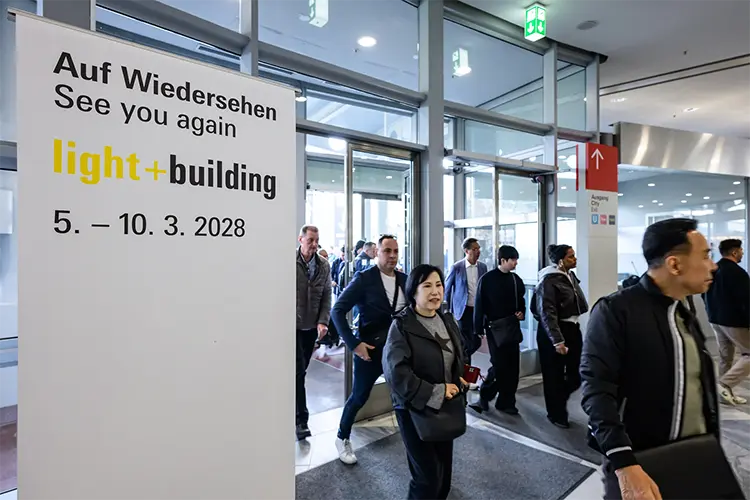
Light + Building strengthens British lighting presence
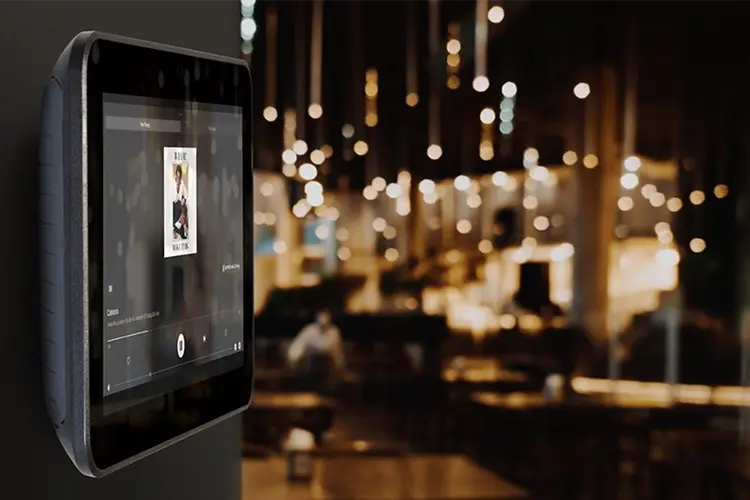
Bluesound brings licensed music to shops and hotels

Hikvision renews its Madrid Excelente certification
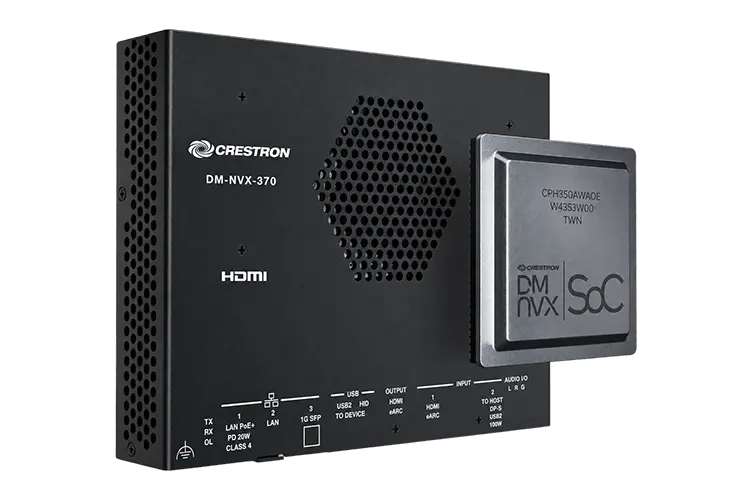
Crestron develops its first proprietary AV chipset
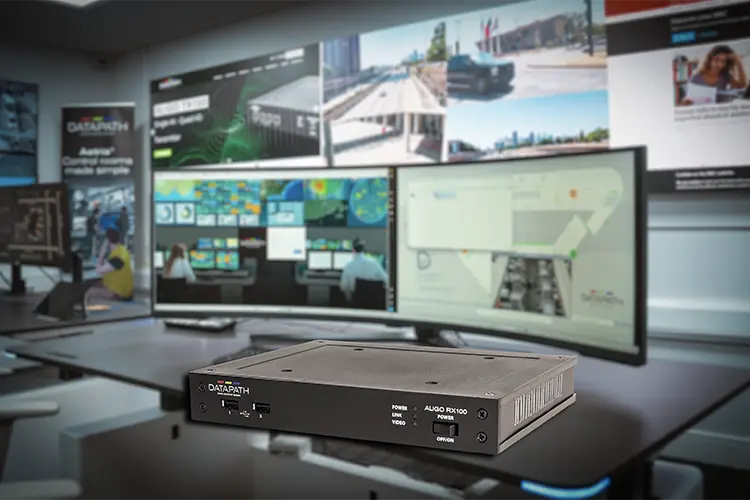
Video Control and Distribution on a Single Platform

Immersive audio and smart rooms: how InfoComm went

Video control and distribution on a single platform
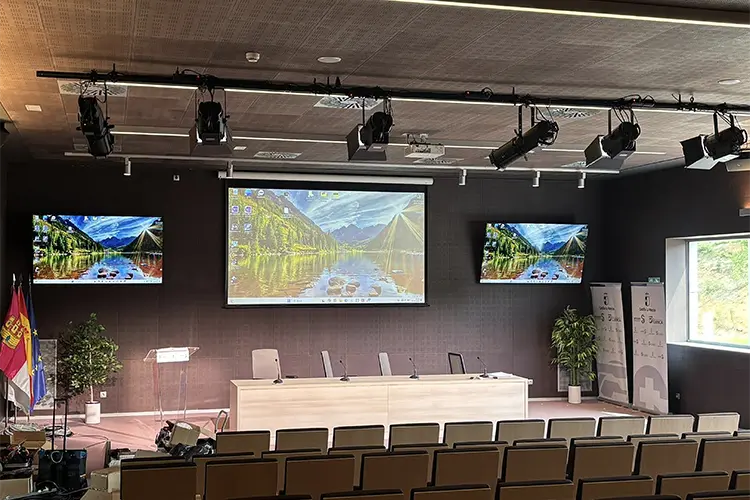
SeeSound equips Cuenca Hospital auditorium

Hikvision Village 2026 recreates a connected city
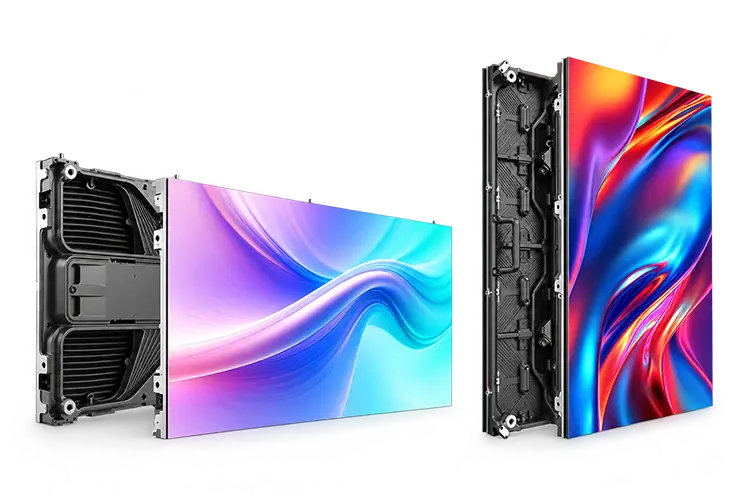
Curved displays, transparent LED and COB technology
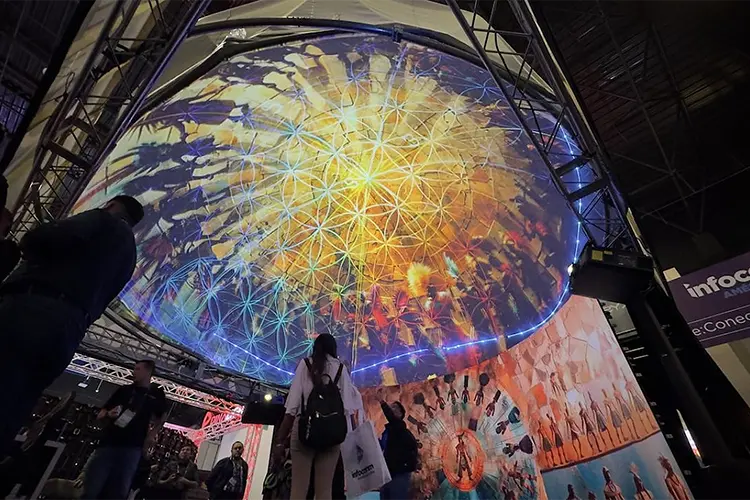
InfoComm América Latina puts AI into practice

Mo Gawdat examines the impact of AI on businesses
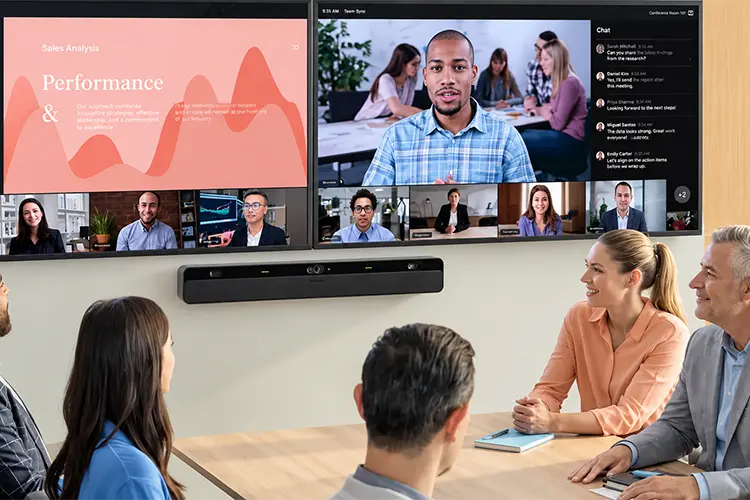
IntelliMix Bar Pro takes centre stage in Shure’s strategy
OPTIMUS public address built for maximum demand

Sony equips Crestron's new Experience Centres

AV over IP: When the Network Becomes the System

Captech EXPO Tests Technological Convergence

IFMA Spain: Technology, Spaces and People

Crestron connects more than 200 rooms at Camp Nou

Self-Service Kiosks and AI at InfoComm Latin America
Collaboration, Wireless Audio and AV Management