Sennheiser TeamConnect Ceiling 2: voice lift for hybrid rooms
Written by ISP Integration editorial teamCategory: NEWS
Published:
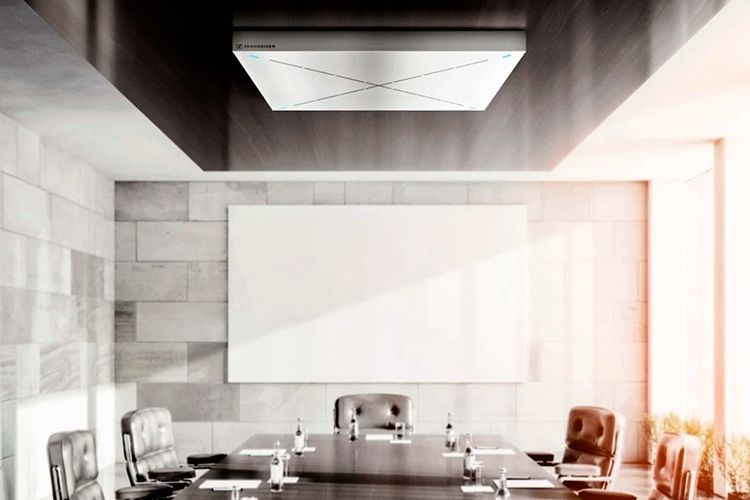
Why should we care about voice lift technology? We explain it in detail.
It is no secret that the world is undergoing a profound transformation. The pandemic has changed the way we relate to the space around us, and maintaining social distancing is a real challenge in conference rooms and auditoriums.
Although the solution may seem simple, such as reducing capacity and keeping people apart, physical distancing can also pose difficulties in business and education.
In addition to the obvious limitations on communication and on the ability to understand each other clearly when we are physically distanced, there are several factors that can have a considerable impact on how people interact with the speaker or with one another – for example, when there are colleagues connected remotely, chatty students, air-conditioning noise, repetitive sounds such as typing or tapping, not to mention poor room acoustics.
Now that companies and educational institutions are looking for ways to adapt their spaces to meet new demands, it is essential to rethink the installed audiovisual equipment
The big picture
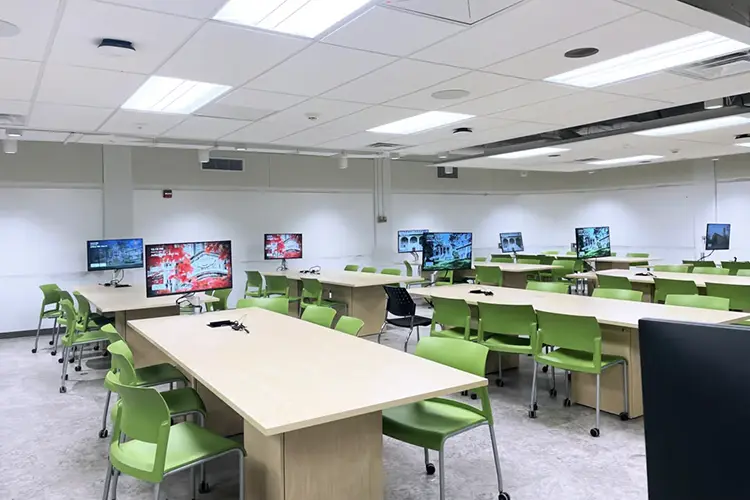
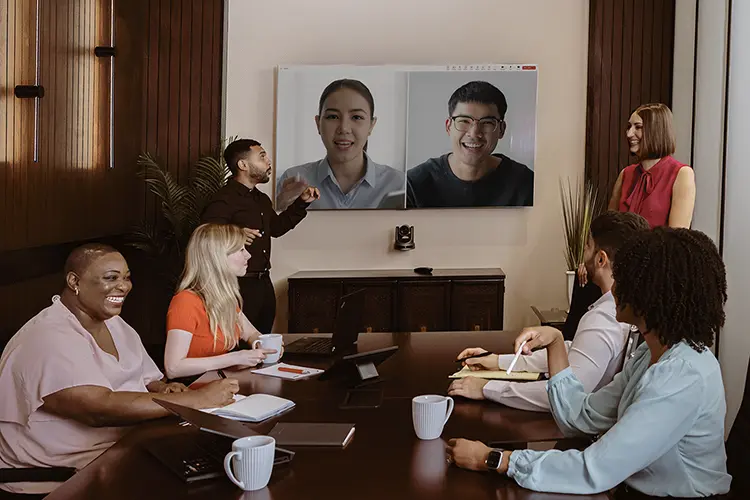
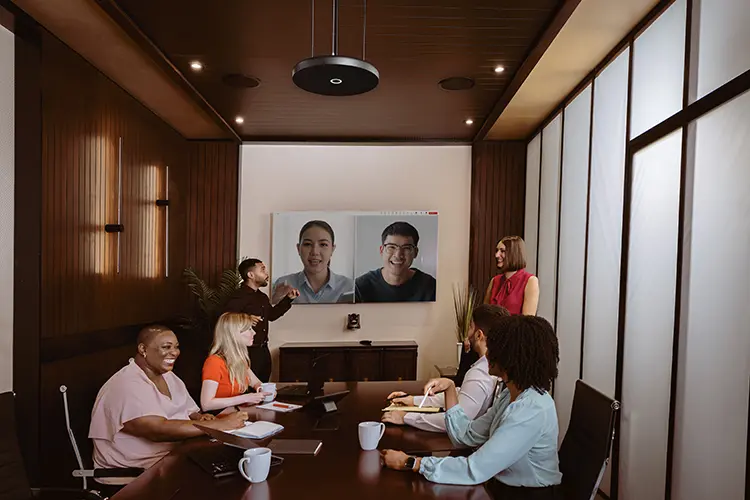
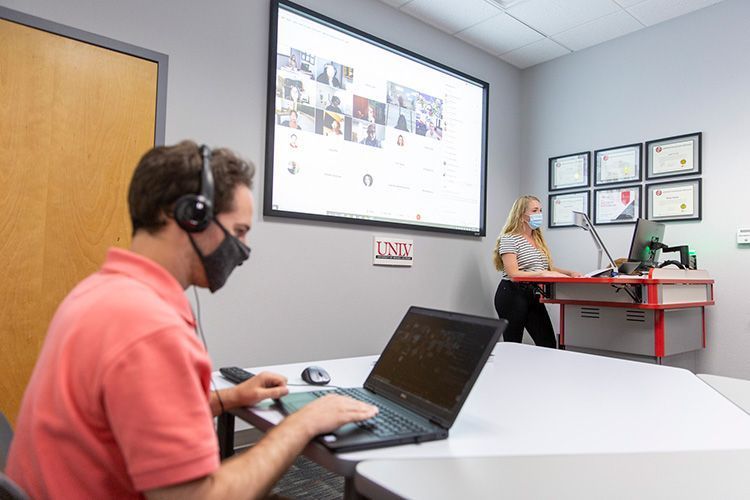
In meetings and seminars where some participants are in the room and others join online through video conferencing applications such as Zoom or Microsoft Teams, it is possible to create an effective audio ecosystem that not only connects virtual attendees with the speaker, but also takes the whole picture into account: ensuring good audio quality in the meeting room for everyone physically present and connecting in-room participants with virtual participants.
All participants must be able to interact easily with one another and hear each other perfectly, regardless of whether they are connected online or sitting in the meeting room or auditorium
In this respect, voice lift is a key technology for clear listening. It uses the components of a traditional sound system to amplify the voices of all the participants present in a room. The best thing about this system is that it raises the voice level by just a few dB, enough to compensate for the loss of speech intelligibility caused by the distance between attendees. The effect is so subtle that it is not even noticed by those physically present, let alone by virtual participants.
Like any conventional sound reinforcement system, voice lift technology requires microphones, amplifiers, digital signal processors and loudspeakers, among other components. In pandemic and post-Covid times, microphones are undoubtedly the easiest option for optimising a voice lift system.
How a ceiling microphone can optimise your voice lift system
Ceiling microphones ensure “touchless audio” thanks to their beamforming microphone array, so there is no need to pass the microphone around or share it. The ceiling microphone not only helps to maintain a safe physical distance between all participants, but also encourages physical and virtual interaction between everyone, making conferences, debates and seminars feel much more natural.
Nor should we forget the convenience for a teacher or speaker: on entering the room, they know that everything will work without having to carry a handheld microphone, clip on a lavalier or stay in front of a tabletop microphone. They can concentrate on their presentation or talk, hands-free, with the reassuring feeling that all participants in the room or connected remotely will understand them perfectly.
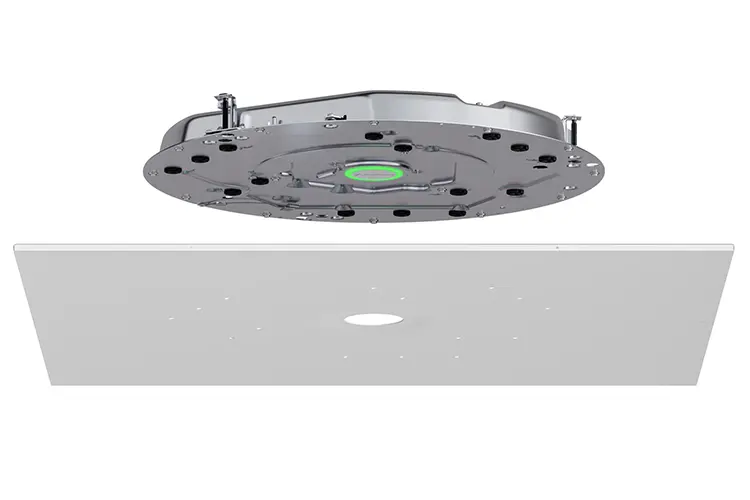
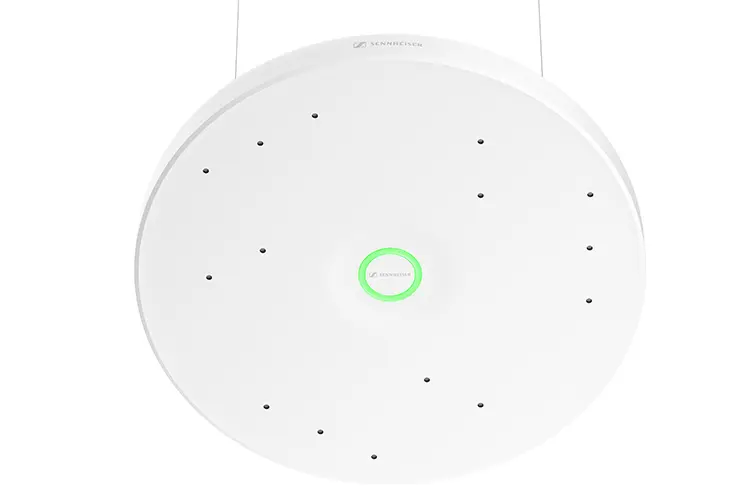
In this context, Sennheiser's TeamConnect Ceiling 2 (TCC2) microphone is a very interesting solution. Its adaptive beamforming technology automatically follows the voice of whoever is speaking, so they can talk naturally, whether seated, standing or moving around the room. Meetings and classes become more flexible, since having more speakers than expected is no longer a problem, and interactions in the room are more natural – something that undoubtedly helps remote participants and distance-learning students feel more included in the meeting or seminar.
TeamConnect Ceiling 2 has recently been updated to include TruVoicelift, a free feature that ensures clear audio throughout the room. This new technology is not just another add-on: it comes with several features that deliver a quality listening experience:
TruVoicelift is based on an advanced frequency-shifting algorithm, thanks to which, and unlike standard voice lift systems, TCC2 can deliver more gain before feedback, which can make a huge difference when it comes to hearing the speaker perfectly.
It also includes an anti-feedback mute function, so if audio levels are too high, TCC2 mutes briefly to prevent annoying feedback
In conversations with several speakers, there are sometimes pauses in speech. With TruVoicelift, if a predefined audio threshold is not reached, a noise gate is activated that mutes the TCC2 system to prevent any background noise, such as whispering, from being amplified.
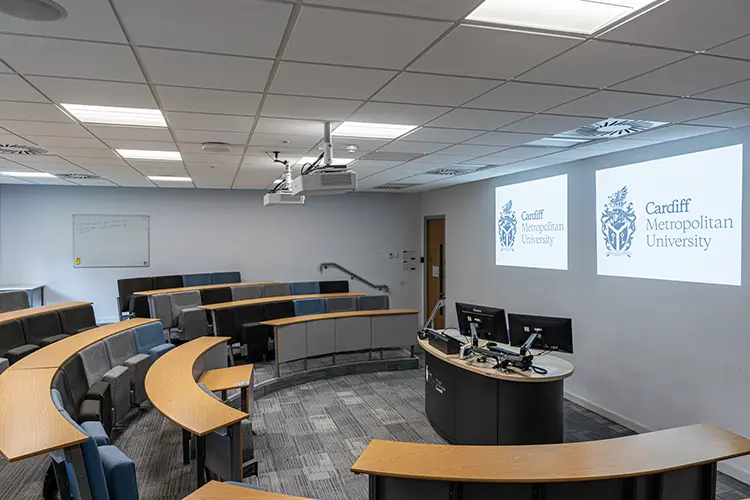
Every room usually has areas from which audio will mainly be picked up, such as the front of a lecture theatre. By defining this area as a “priority zone”, the microphone will focus on it whenever there is an audio signal and will not pick up conversations from other areas of the room.
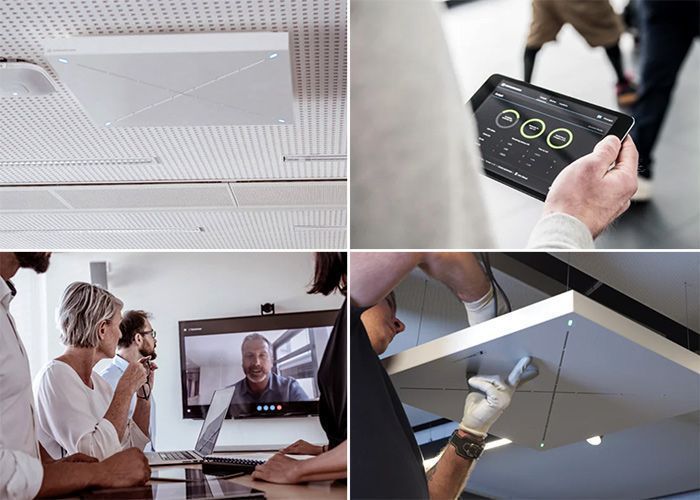
On the other hand, there may be areas where noise sources need to be excluded, such as air-conditioning units or fans. TruVoicelift makes it easy to solve this problem by setting up “advanced exclusion zones”.
From an installation and IT point of view, an open system such as TCC2, which can be integrated with any other ecosystem already installed, is ideal. A system of this kind not only works perfectly with existing equipment, but will remain compatible if you change platform. As well as saving costs, an open system makes it possible to combine the most suitable products for the intended task. A good starting point is to choose products that are, for example, certified for Microsoft Teams and Zoom, ensuring the system will be up and running straight away.
Another advantage for IT staff is the ability to configure TCC2 and TruVoicelift easily using the free Sennheiser Control Cockpit software, as the microphone settings can be controlled from a central point. The ceiling microphone is also compatible with Dante Domain Manager.
TCC2 is compatible with the main video conferencing platforms and also offers additional benefits to companies and educational institutions with Q-SYS ecosystems, as they can use a QSC plug-in to configure and control the microphone easily
Likewise, TCC2's full compatibility with the Crestron control platform allows remote access to audio parameters, the mute function and custom control of the ceiling microphone's LED. With Bose Professional and its ES1 and DS4 ceiling audio solutions, a very comprehensive in-ceiling system for conference rooms is available. In addition, TeamConnect Ceiling 2 is fully compatible with audio and video solutions from Extron.
Thanks to its open protocol, TCC2 can also be integrated into any other solution. Another interesting option is to use TCC2 for camera control. In this case, the ceiling microphone's real-time positioning data is used to capture video of whoever is speaking and send it to remote participants, making hybrid meetings and presentations much more engaging and natural for those joining remotely.
Hybrid meetings and seminars are here to stay: the advantages they offer companies and higher education institutions go beyond touchless audio and convenience. For universities, remote students have become an additional source of income, and being able to offer them advanced solutions that improve remote participation will make courses even more attractive to them.
Companies, meanwhile, can hold meetings and exchange views with international experts and clients more often. Although the first meeting may be face to face to get to know each other in person, subsequent ones could be held remotely and, with the right technology, as naturally as possible.
Adding voice lift technology will make these hybrid experiences pleasant for employees and students in the room. Audio from remote participants is clear and intelligible anywhere in the room, and the presenter can be heard clearly, however far away they are.
The combination of a ceiling microphone and a voice lift system provides very natural, fluid communication between all participants in the discussion, whether they attend in person or remotely.
You may also like
Sennheiser TeamConnect leaves its mark in Madrid
Xilica signs distribution agreement with Magnetron in Spain

Sennheiser wireless conference system at Sheraton Grand Doha

Sennheiser TeamConnect Ceiling 2 at Universidad Francisco Marroquín
Sennheiser TeamConnect Ceiling 2 brings hybrid learning to USF
Collaboration, Wireless Audio and AV Management
More Devices Compatible with DeviceHub
Sennheiser and collaboration at InfoComm 2026
Sennheiser Brings Simplicity to Enterprise Audio
Advanced audio for a new university hyperclassroom
Hyperclassroom in Granada with professional audio
Advanced audio for a new university Hiperaula

Smarter camera tracking for meetings
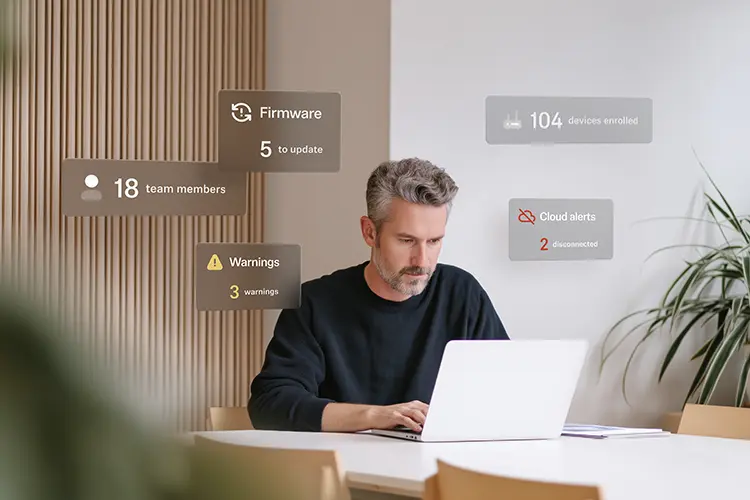
DeviceHub optimizes enterprise AV management
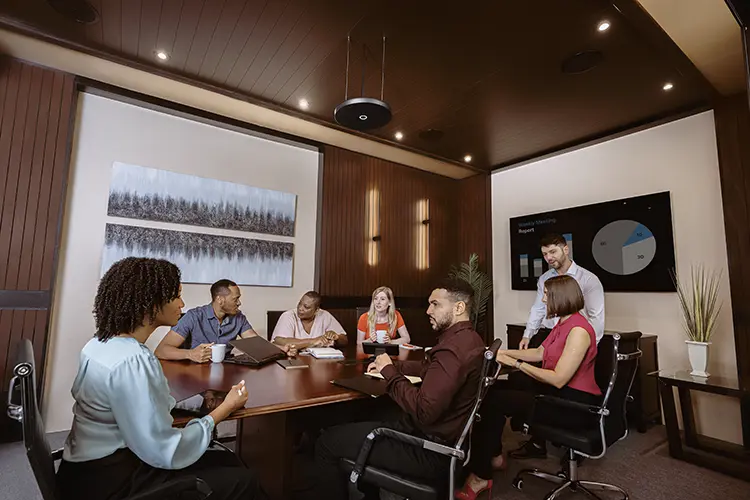
Hybrid environments with smarter audio
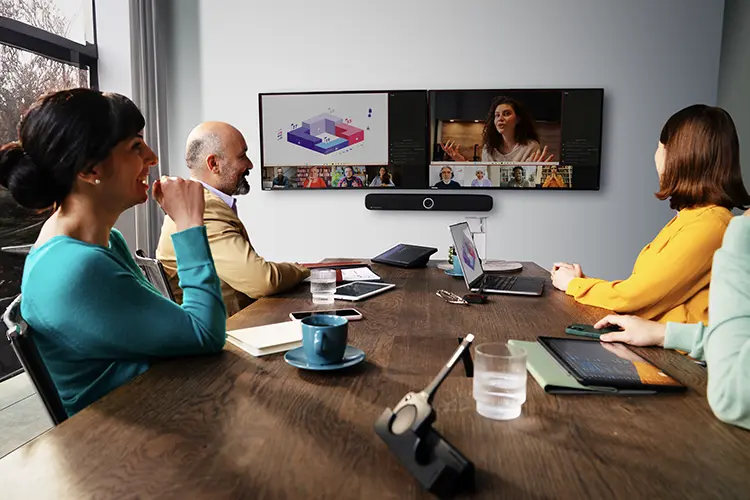
Simpler hybrid collaboration with Microsoft Teams
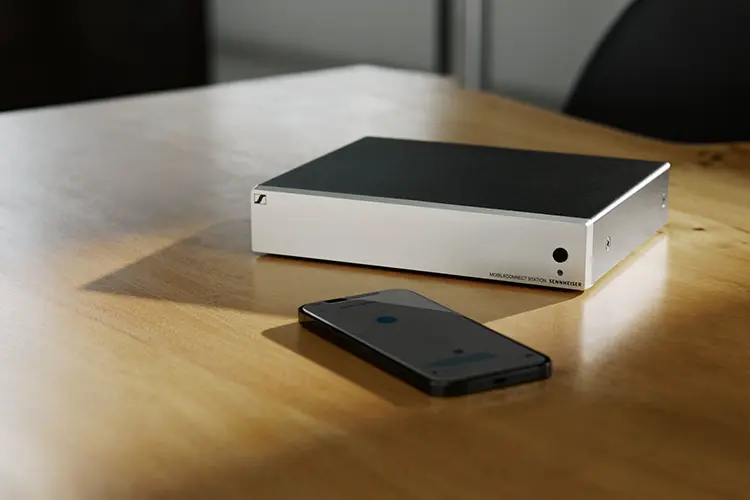
Technology that drives inclusive audio experiences
Sennheiser takes classroom sound into the future

A more diverse and inclusive AV industry
Hybrid meetings without tech barriers
Quick and easy setups with Sennheiser
Effortless audio for demanding teams
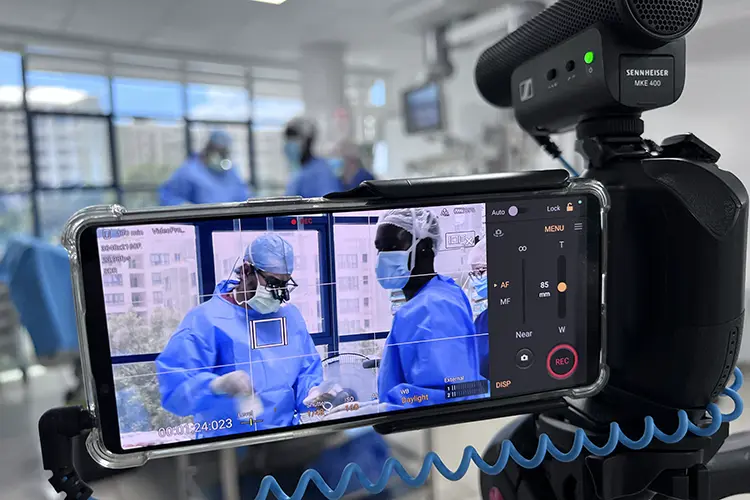
Impeccable audio in busy hospital settings
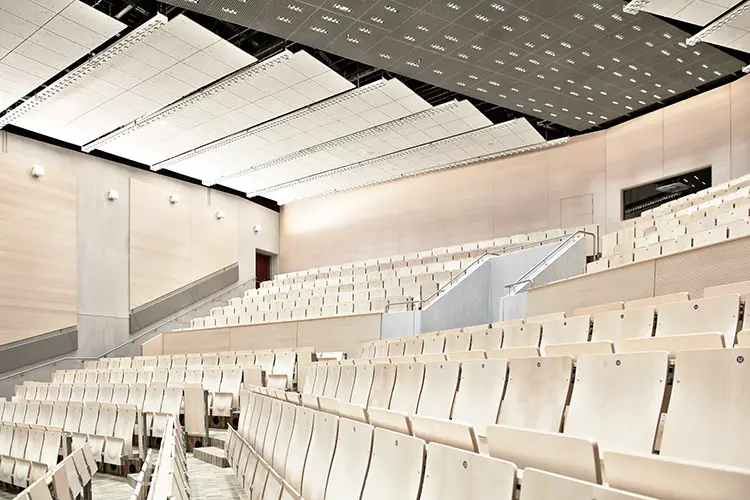
Reliable hybrid learning with Sennheiser

Conferences with Ecler and Sennheiser
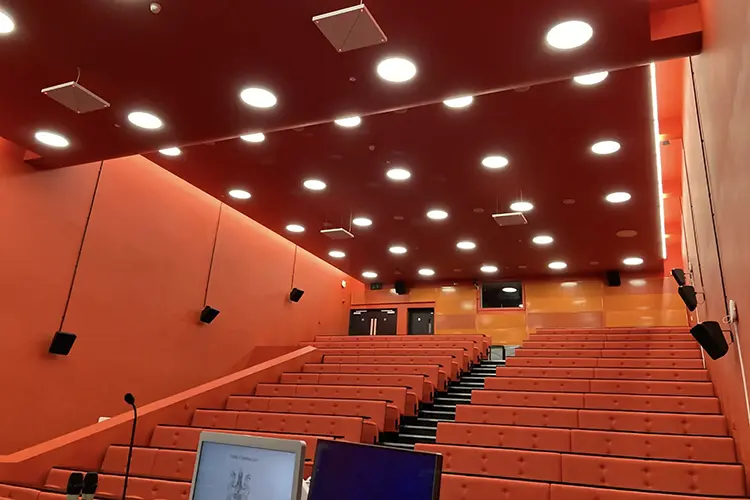
Educational spaces with Sennheiser microphones
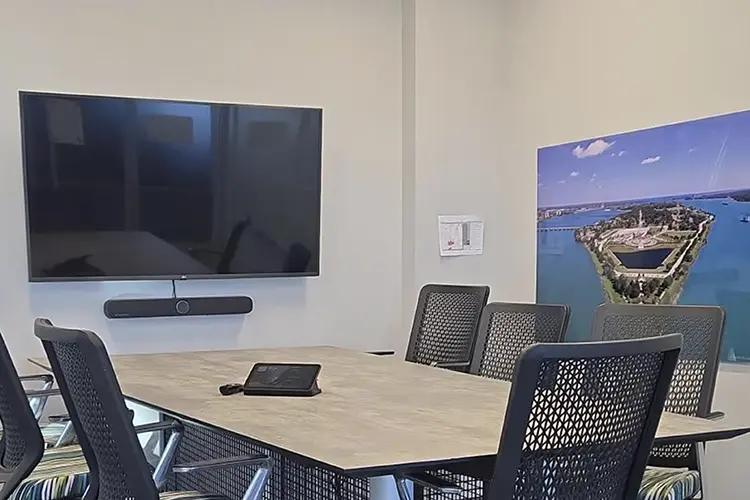
Professional communication in meetings
Reliability and performance of Sennheiser

Sennheiser high-fidelity audio system
Secure and elegant proposals for learning
Secure enterprise tools for AI
More intuitive learning experience with Sennheiser
Versatile ceiling solution for any space
Aston University enhances its teaching with Sennheiser and proAV
Aston University enhances teaching with Sennheiser and proAV
Seamless engagement with Sennheiser
Broadband Technology Revolution
Enhanced collaboration with Sennheiser
Better wireless collaboration for meetings
Sennheiser business solutions
Digital wireless technology for collaboration and learning
Sennheiser Scalable 'All-in-One' conference devices
Sennheiser enhances the meeting experience
Superior design and functionality with Sennheiser
Audiovisual Solution at Rey Juan Carlos University

Sennheiser TeamConnect Bar solutions
Xilica and Sennheiser announce the TCCM
Xilica presents: Xilica Follow Me
Magnetron becomes official Xilica distributor in Spain
Xilica and Sennheiser launch hybrid conferencing kits
Blaze Audio PowerZone Amplifiers at ISE 2022 with Magnetron
Sennheiser TeamConnect Ceiling 2 powers UNLV hybrid classrooms
Sennheiser TeamConnect Ceiling 2 at German Center Beijing
Video: Sennheiser TeamConnect Ceiling 2 at German Centre Beijing
Sennheiser TeamConnect Ceiling 2 – German Center, Beijing
Sennheiser MobileConnect at Kiel University (Christian-Albrechts)
Sennheiser Evolution Wireless Digital: interview with David Missall
Sennheiser presents TruVoicelift