











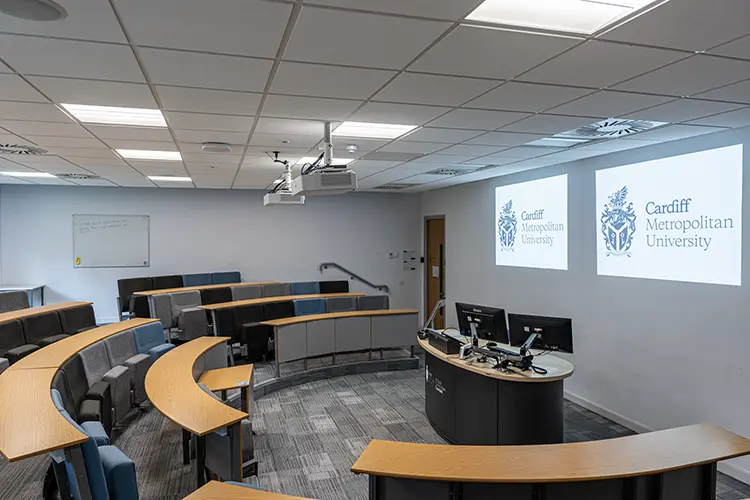
Sennheiser technology transforms over 50 classrooms and sets a new standard for hybrid education solutions.
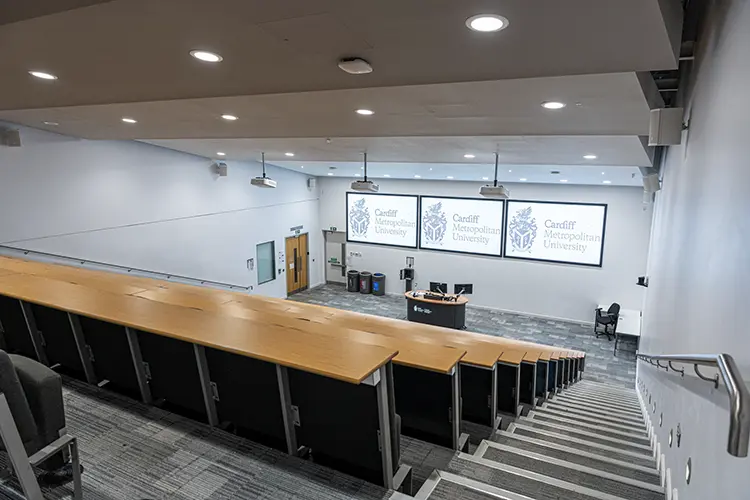
The prestigious Cardiff Metropolitan University, which serves more than 11,000 students across its Llandaff and Cyncoed campuses, has completed a major transformation of its teaching facilities thanks to Sennheiser’s advanced audio technology.
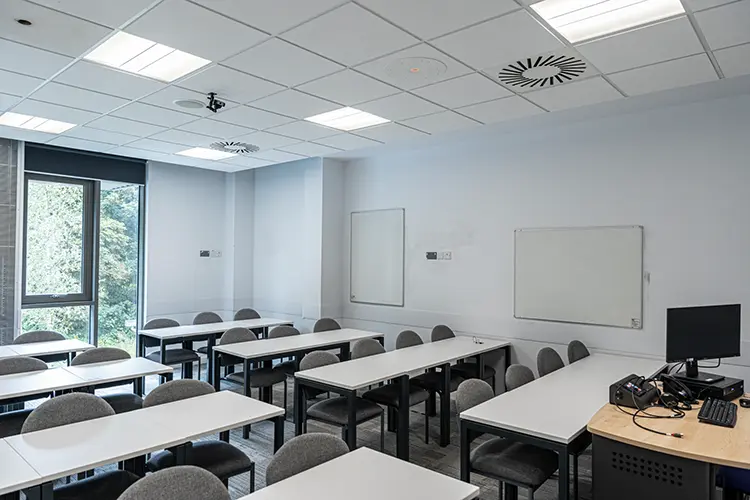
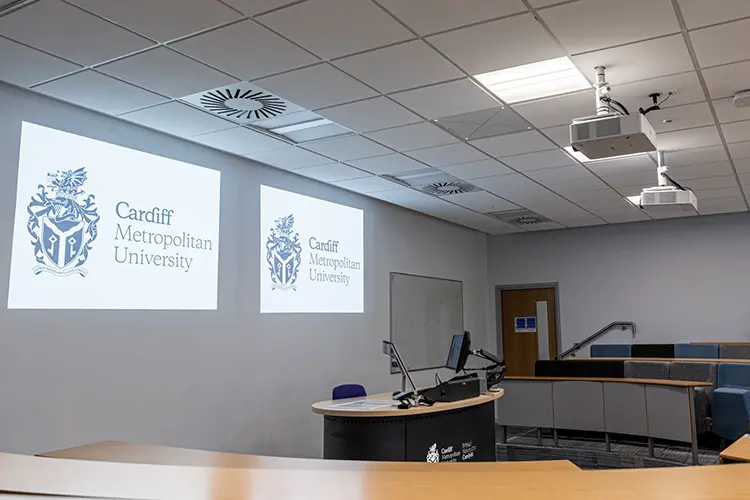
As part of its strategy to enhance hybrid learning, the university has successfully implemented innovative ceiling microphone systems and cutting-edge audio solutions throughout its teaching spaces.
The installation includes TeamConnect Ceiling 2 (TCC 2), TeamConnect Ceiling M (TCC M), and SpeechLine Digital Wireless (SL DW) microphones, as well as the Wi-Fi-based bidirectional communication solution MobileConnect, modernizing more than 50 classrooms with superior audio capture technology for hybrid learning environments.
 |
 |
When Cardiff Metropolitan University began its audiovisual upgrade project approximately five years ago, the institution faced the challenge of replacing outdated technology to meet modern educational demands. The pandemic accelerated this need, transforming the project from simple lecture capture upgrades to advanced hybrid learning solutions.
Around six years ago, an internal review highlighted the need to upgrade the classroom AV infrastructure. All the projectors were old. We were using desktop microphones connected via USB to the PC, small webcams on the monitors, and Panopto to record the classes, explains Hollie Carter, AV Support Coordinator at Cardiff Met.
After extensive testing with different manufacturers, Sennheiser TCC microphones emerged as the winning option, offering superior audio quality with minimal visual impact and maximum coverage flexibility.
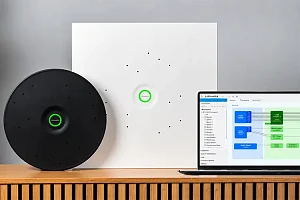
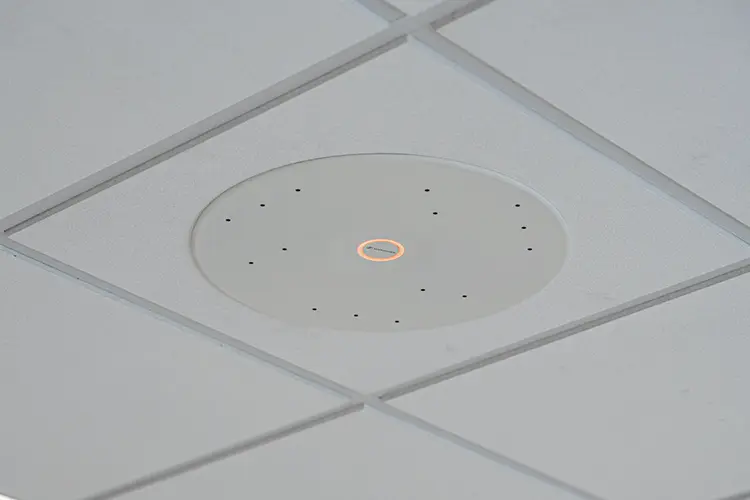
The university has installed 20 TCC 2 units, which feature patented dynamic beamforming technology capable of automatically tracking the speaker’s voice through 28 omnidirectional microphone capsules arranged in a matrix. These systems provide 360° coverage with automatic speaker tracking and multiple beam technology that can capture several voices simultaneously. For smaller classrooms, Cardiff Met has deployed the new TCC M microphones, which offer similar features in a more compact design with 16 microphone elements. Both solutions integrate seamlessly with the university’s existing AV infrastructure, including Extron control systems.
 |
 |
The TCC microphones feature multicolor LED indicators that show microphone status—green when active and red when muted—giving lecturers visual confirmation of recording status while ensuring GDPR compliance. They are also configured to mute automatically when the AV system powers down, adding an extra layer of privacy. “This gives faculty confidence, knowing they can have private conversations when the system is off and that the signal streams to our MobileConnect system when it’s on”, adds Carter.
The ceiling microphones also offer advanced zone control, which has proven very useful for the university. “In the School of Management, the building uses natural ventilation, and sometimes you get a low-level hum when the air conditioning kicks in”, continues Carter. “With the TCC 2 mics, being able to prioritize and exclude zones has been brilliant. We can filter out that upper-level hum, focus on the lecturer, and still give secondary priority to students—it’s amazing”.
The TruVoicelift feature in the TCC 2 and TCC M is another highlight, providing additional amplification of student voices to ensure all participants can be heard clearly in larger spaces.
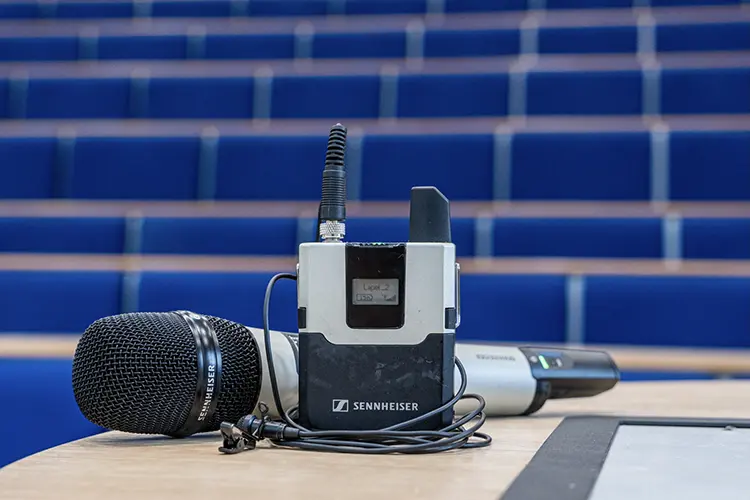
The implementation also includes 20 channels of SL DW for lecture theatres, operating on the license-free 1.9 GHz band and featuring lithium-ion battery technology for reliable operation and simplified management. The SL DW system provides automatic frequency management, interference-free transmission, and AES 256-bit encryption for secure audio delivery.
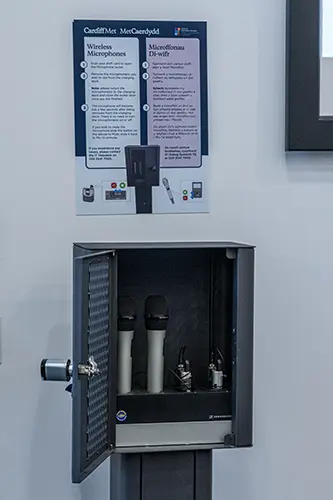
Another key element of the installation is the deployment of 30 MobileConnect systems, which stream audio directly to users’ smartphones via a dedicated app.
 |
 |
This comprehensive audio upgrade represents a significant investment in Cardiff Met’s commitment to delivering exceptional student experiences. By creating more inclusive and engaging learning environments, the university ensures that students—whether attending in person or remotely—can fully participate in their education.
The enhanced audio quality and accessibility features not only support diverse learning needs but also prepare students for the increasingly digital and hybrid nature of the modern professional environment.
The university was very pleased with MobileConnect, a modern solution that does not rely on outdated technology. Many hearing aid users no longer use telecoil devices, so traditional induction loop systems were not suitable. Adopting MobileConnect was therefore the most logical option, says Inesh Patel, Business Development Manager at Sennheiser.
Cardiff Met adopted a unique approach to the MobileConnect rollout, using static PIN codes displayed in each room so students could access the audio stream via the app. This simple yet effective method ensures that everyone can benefit from enhanced audio without drawing attention to those who need assistive listening.
“We went through a period when rooms were being refurbished quite quickly, so with MobileConnect, being able to move it from one room to another along with the mics at the click of a button was amazing”, says Carter. “It’s also great for end users, as they can enter the room, join the stream, and that’s it—without needing to identify themselves”.
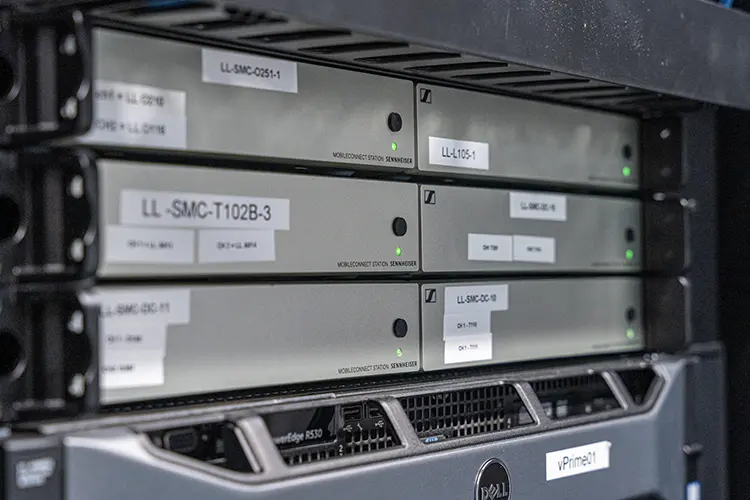
 The university’s small technical team uses Sennheiser’s Control Cockpit software to remotely monitor and manage audio devices across the campus, reducing the need for in-person troubleshooting.
“Control Cockpit has been a game changer for us. No one wants to run around campus all day every day trying to fix things”, Carter emphasizes. “Being able to remotely see the status of the mics, update firmware, and mute or unmute them is incredibly useful”.
The new audio technology has improved the learning experience, according to Adrian Clark, Senior Learning Developer (Media) at Cardiff Met: “The Sennheiser product that’s had the greatest impact in my work is the ceiling-mounted TCC 2. This mic array has clearly improved audio quality for students, and its broader coverage allows staff to move freely, encouraging greater classroom engagement”.
Ed Taylor, Head of Digital Support Services at Cardiff Met, adds: “The TCC microphones have drastically improved audio in meeting and lecture spaces, ensuring a better experience for remote participants. MobileConnect also adds great value in terms of accessibility. The products integrate perfectly within our ecosystem, and remote management is an ideal fit”.
The project was facilitated by Strive AV, who played a crucial role during the implementation. Natalie Barnett, Account Manager at Strive AV, highlights the ongoing nature of the collaboration: “This summer we are working on 22 spaces that feature Sennheiser products, and it has become a rolling refresh where there is always something from Sennheiser on Hollie [Carter]’s kit list”.
Dean Phillips, Projects Manager at Strive AV, agrees and adds: “The university has been quick to recognize the changing demands of hybrid education, especially after the pandemic. We were pleased to support them with the right solutions, such as Sennheiser’s TCC systems, which meet the growing need for high-quality, flexible audio in modern learning environments”.
The university plans to continue the rollout, aiming to equip all classrooms with Sennheiser audio technology in the coming years.
The Cardiff Met project is a prime example of future-focused AV design, where the needs of students and staff are placed at the center of the technology strategy. The university’s approach to accessibility, security, and system management demonstrates why they are leaders in hybrid learning environments. We are proud to continue our partnership as they complete their campus-wide transformation in the coming years, concludes Patel.