










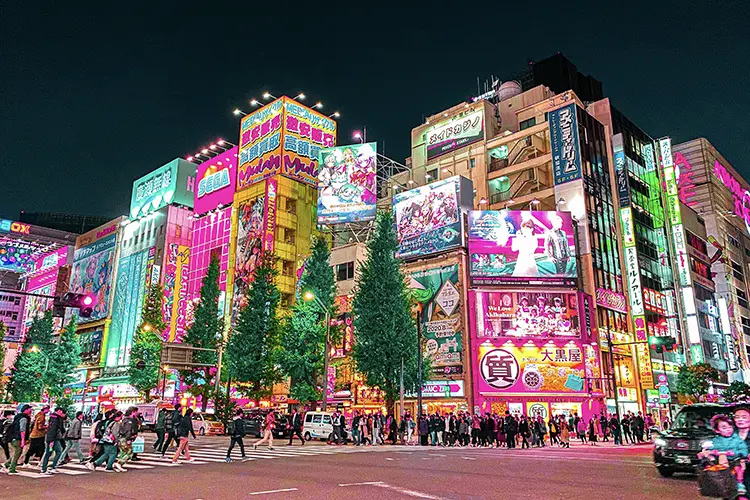
Digital out-of-home (DOOH) advertising is growing with the adoption of increasingly large and brighter LED displays in cities.
However, greater visibility often comes with increased energy consumption and operating costs.
As sustainability becomes a growing priority for media operators and advertisers, energy efficiency is emerging as a key factor in the selection of display technologies.
The energy challenge in large-scale DOOH advertising
Operating high-performance digital displays requires a significant amount of electricity, especially when they run between eighteen and twenty-four hours a day. In outdoor installations, the demand is even higher, as the screen must compete with direct sunlight to remain visible. This need for extreme brightness levels often leads to increased heat generation and higher energy consumption.
Electricity remains one of the largest long-term operating costs for media owners. Beyond the financial impact, the environmental effect of large-scale digital advertising has become a central concern for major brands. Companies that can demonstrate a lower carbon footprint without compromising visual quality are better positioned in today’s market.
Key LED innovations driving energy efficiency
By rethinking how light is produced and managed, manufacturers are developing brighter displays that consume less energy.
High-efficiency LED chips and luminous efficacy
The core of an efficient LED billboard lies in the quality of its individual LED chips. Modern chips are designed to deliver higher luminous efficacy, meaning they produce more lumens per watt of electricity.
This improvement enables vibrant, eye-catching displays without requiring excessive power levels to achieve the necessary brightness for outdoor environments.
Advanced packaging and Flip-Chip COB systems
The industry is moving toward more integrated packaging methods, such as Chip on Board (COB) technology.
LEDMAN has pioneered Flip-Chip COB technology, which eliminates the need for wire bonding between the chip and the substrate. This design reduces electrical resistance and significantly minimizes heat loss.
Flip-Chip structures allow the chip to be directly mounted onto the circuit board, improving heat dissipation and energy efficiency. With better heat management, the system requires less active cooling.
Intelligent energy optimization systems
Efficiency depends not only on hardware but also on how the system responds to its environment. Modern displays incorporate smart sensors that adjust brightness in real time based on ambient light levels. On cloudy days or at night, the system automatically dims the screen to prevent overconsumption and light pollution.
Dynamic energy management software further enhances efficiency by avoiding energy waste during low-traffic periods.
LEDMAN PSE energy-saving technology
PSE (Power Saving Edition) technology developed by LEDMAN represents an advancement in the concept of “cool” screens. This approach focuses on reducing operating temperature, thereby lowering heat-related energy loss.
By optimizing power supply pathways and using specialized components, PSE technology achieves significant reductions in power consumption compared to traditional outdoor displays. It is particularly effective in large-scale installations, where even small savings per square meter result in substantial cost reductions over time.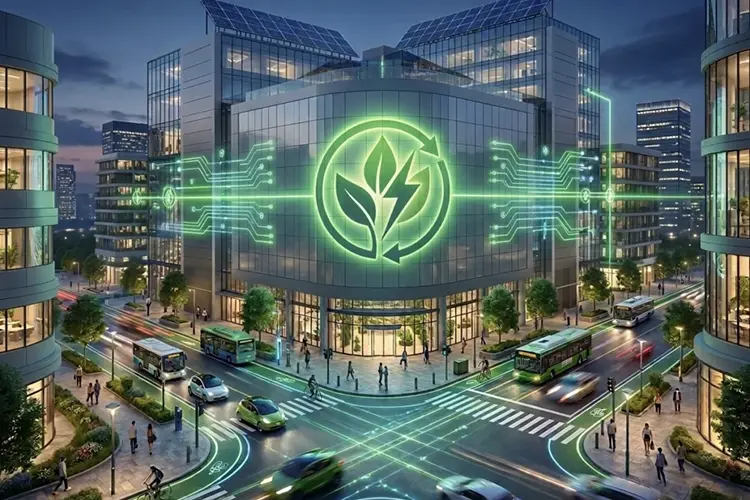
Case study: Africa’s largest energy-efficient DOOH display
The practical application of these technologies is reflected in large-scale installations that demonstrate their viability. LEDMAN completed the installation of Africa’s largest LED screen, setting a new standard for sustainable DOOH infrastructure.
Project engineering and ODA technology
This installation is located along a high-traffic highway, offering strong visibility for brands. To address environmental challenges and the scale of the project, LEDMAN’s N series was used, incorporating ODA (Optical Direct Assembly) technology.
ODA technology enhances optical efficiency by precisely managing how light is directed and protected. Combined with high-brightness LED components, it achieves the clarity required without resorting to excessive energy consumption. The design is robust enough to withstand extreme outdoor conditions while maintaining an optimized energy profile.
Operational impact on sustainability
Despite the massive size of the display, the integration of ODA and PSE technologies has reduced long-term operating costs. Lower energy consumption translates directly into a more sustainable business model.
This installation demonstrates that large-scale DOOH advertising does not have to be an environmental burden. Through advanced packaging and intelligent energy management, large digital displays can be both highly effective and energy efficient.
The evolution of LED technology has reached a point where high performance and sustainability are no longer mutually exclusive. Thanks to innovations such as Flip-Chip COB, ODA technology and PSE energy-saving systems, the industry is overcoming traditional energy consumption limitations in large-format digital displays.