Hybrid working drives digital transformation: ISE 2022 insights
Written by ISP Integration editorial teamCategory: NEWS
Published:
The past 18 months have been a period of massive change and adaptation for many companies.
Demand for collaboration tools and unified communications solutions soared during the pandemic and shows no sign of slowing down as workers look to return to the office in a more flexible way.
"AV technology has been fundamental in keeping communication and business going, and this is true for the big players as well as for smaller companies and many self-employed businesses", says Jens Werner, Product Manager Business Communication at Sennheiser. "The move towards hybrid collaboration and meetings is definitely here to stay, and we will see more investment in AV and IT technology, which are the backbone of businesses."
Till Gotterbarm, Product Management and Strategic Partnerships EMEA at Avocor, agrees: "Digital transformation was a trend for many organisations even before the COVID-19 pandemic, but it has seen renewed interest in light of the workplace changes we have faced over the past year. The impact of the pandemic has challenged many companies to redefine their workplace as a hybrid of home and office. Many organisations have turned to online collaboration tools to help make this transition."
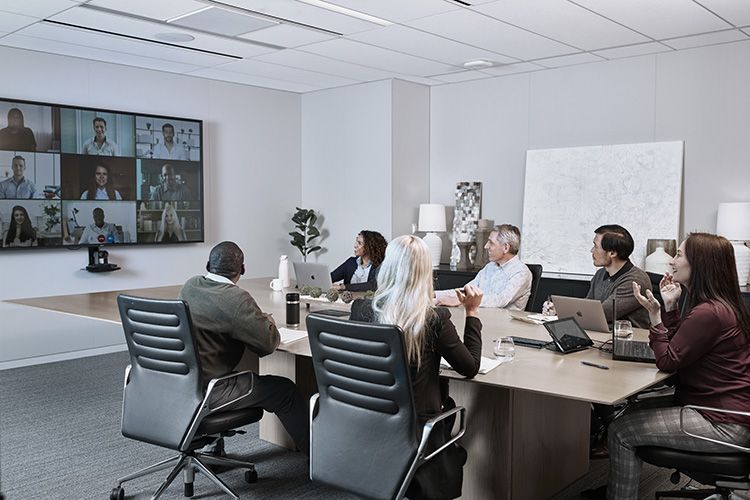
In fact, the goal of many companies is to ensure that colleagues can work however they want, regardless of their location, collaborating seamlessly with their teams as if they were all in the same room. The aim is for tools to be simple to set up, easy to use, future-proof and built to last.
Gotterbarm expands: "Interactive unified communications tools can provide remote workers, colleagues and team members in the same room with the same functionality, regardless of their location. For example, employees should be able to access any workspace, wherever it is, and get down to work collaborating with their teammates without spending too much time on set-up."
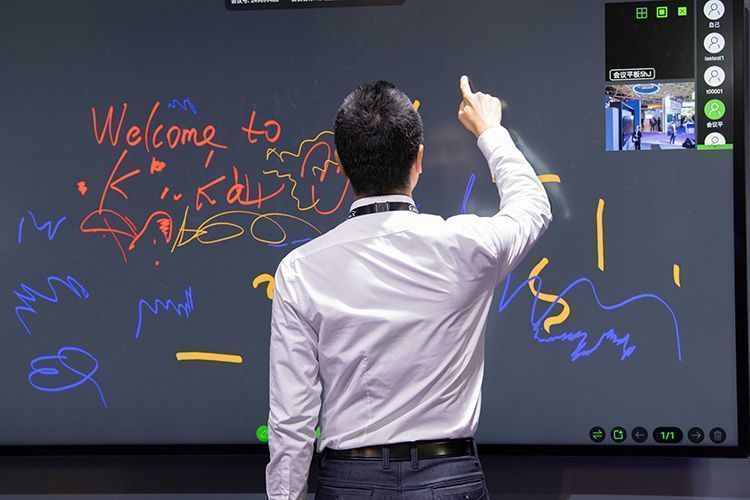
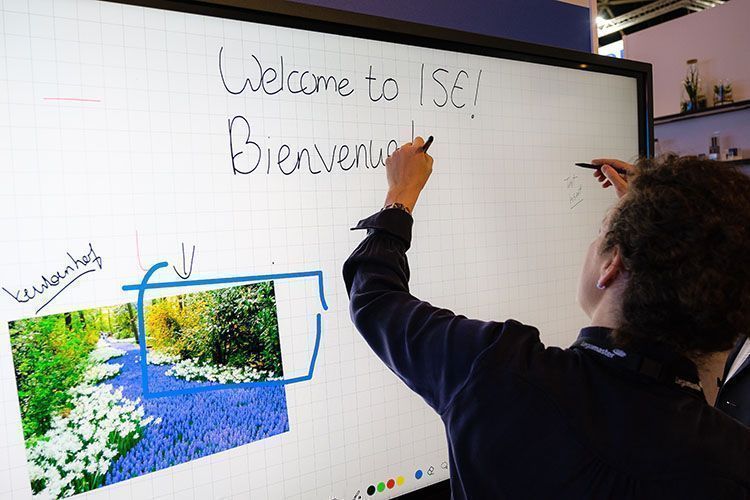
Features such as the ability to display real-time, cloud-based annotations in a meeting with, and from, all participants on a call, and to quickly save and send meeting notes and action points, are increasingly in demand, making it easier to connect in-person teams with those working remotely.
Adam Dover, corporate marketing director at Sony Professional Displays and Solutions, adds: "There is a new need to provide employees with an environment that not only works seamlessly, with the optimised responsiveness they have become used to in an online world, but also reconnects the workplace community, once again enabling collaboration within teams and across departments."
"To achieve this, stunning displays, proper workspace management, a modern environment and an effective flow of information and branding are essential. With this in mind, we have seen more and more organisations looking to implement an ecosystem of real-time signage, quality displays and efficient workplace management solutions that can work seamlessly across their office spaces and logistics centres."
Gotterbarm agrees: "Employees need to be able to move seamlessly from one working style to another, whether they are in a conference room at the office in the morning or at home working after the school run in the afternoon. Collaboration and UC technology can enable this seamless transition by replicating the in-person experience through video display technology."
In addition to video technologies, audio also plays a crucial role in ensuring these seamless transitions
"Real communication and effective collaboration in this new working model are far more productive when there is high-quality audio", says Chris Merrick, Senior Director of Global Integrated Systems Marketing at Shure. "When audio fails in video conferences and hybrid meetings, this shortcoming has a direct effect on everyone's concentration levels. Nuance and emotion are lost, and the real purpose and meaning of the discussion can be ruined."
"With effective conferencing technology, users can get straight to the point, solve their problems, deliver key messages and close deals in a productive, highly engaged meeting environment. Reliable, broadcast-quality audio technology that is scalable and flexible enough to suit all types of rooms and budgets ensures that workers have the ideal tools to turn meeting rooms into collaborative spaces, where all participants feel involved and engaged without technological frustrations."
This use of collaboration tools is also benefiting companies themselves, offering more opportunities to attract talent and develop a diverse workforce
"Collaboration between company offices in different countries has improved enormously, making teams more diverse, which in turn leads to broader and better decision-making," adds Werner. "Companies located in remote areas can hire the city-based expert who is not willing to relocate, or the digital nomad who works from different places. With the technological shift, we have also seen a change in mindset: companies are much more open to remote working arrangements today than they were just two years ago."
AV technology also plays an important role in ensuring that employees feel comfortable, safe and fully informed about any new protocols when returning to their workplace.
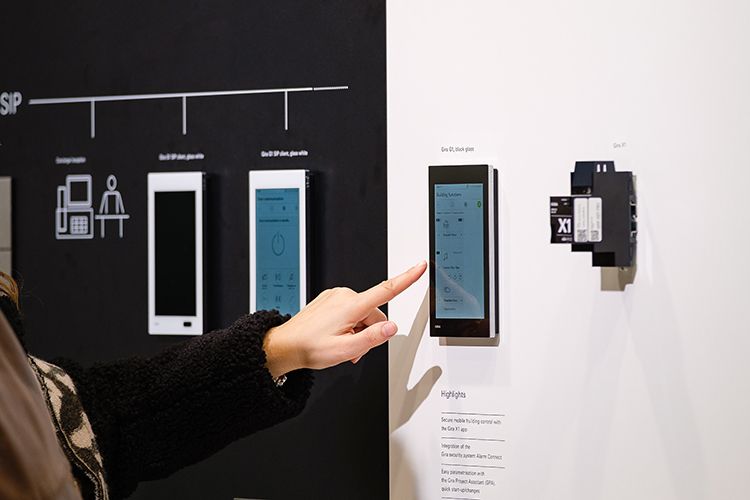
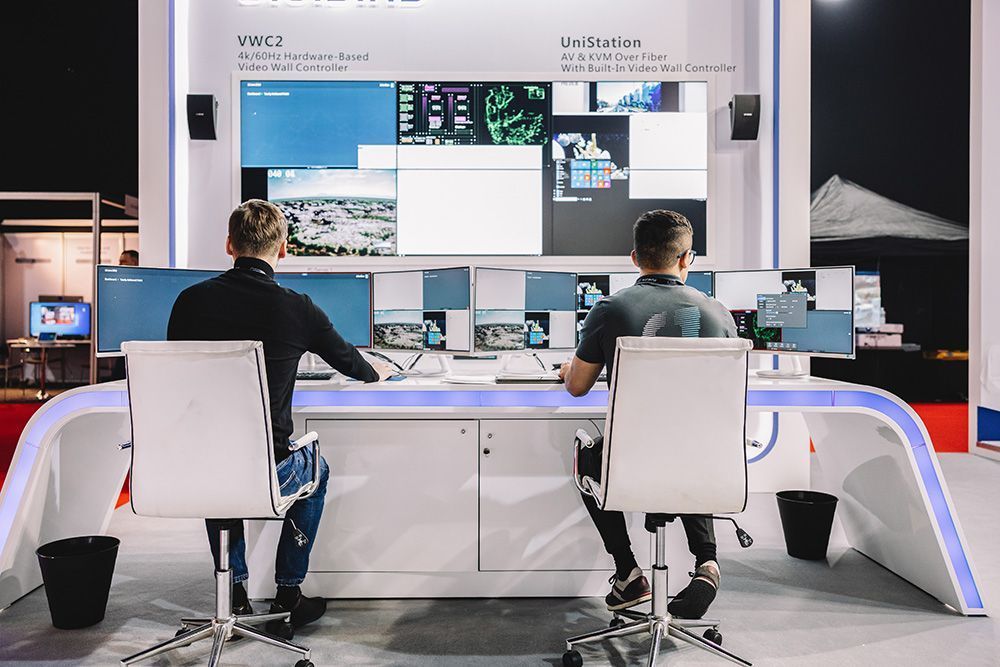
"Digital signage is an effective way of conveying messages, and we expect demand for networked systems for this purpose to grow", shares Dale. "There is a growing trend towards touchless technology, which could be most visible in areas such as room booking, access control and so on. In addition, the control room sector continues to grow at a good pace, as companies turn to a central hub to keep track of staff deployment, company assets, logistics, equipment, security and external news."
Data and analytics, whose importance was already growing before the pandemic, are also increasingly valued in the corporate sector. Workplace intelligence analytics solutions built into workplace hardware, such as meeting room displays, allow corporate decision-makers to take immediate action to reassess meeting rooms and the return on investment in unified communications hardware and software, as well as to guide future planning.
According to Gotterbarm: "Analytics and data have always been an important driver of business decision-making, but with the return to work after COVID they will be even more critical to ensure both operational efficiency and employee comfort and confidence. Commercial property and office space are very expensive, from the basic cost per square metre to the cost of managing those spaces. Now, with the rise of remote and hybrid teams, companies are looking to invest in the most sensible tools that enable communication and collaboration from anywhere."
Dover adds: "Many companies are thinking about how to optimise their workspaces to minimise energy and resource consumption, accurately and simply managing workspace capacity, availability and the flow of employees within the building. The solution is to deploy a workspace management platform that ensures office space adapts to this new world of work, in which flexibility remains at the core of every modern, forward-thinking organisation."
One company that has recently invested heavily in this area is Thirteen Group. The UK-based property developer wanted to implement modern workplace technology and maximise the management of desks and meeting spaces in its new three-storey flagship office in the north-east of the country
The company turned to Visavvi to provide a complete visitor management system with desk and room booking, as well as to equip multiple meeting and collaboration spaces and open-plan desks. This included the first UK installation of the GoBright workplace management platform.
The GoBright solution includes multifunction desks with status LEDs that show their current availability. The management and reporting platform, complemented by under-desk occupancy sensors and an Outlook-based booking system, provides real-time and historical booking and utilisation data, all of which offers vital insight into how the workplace is used.
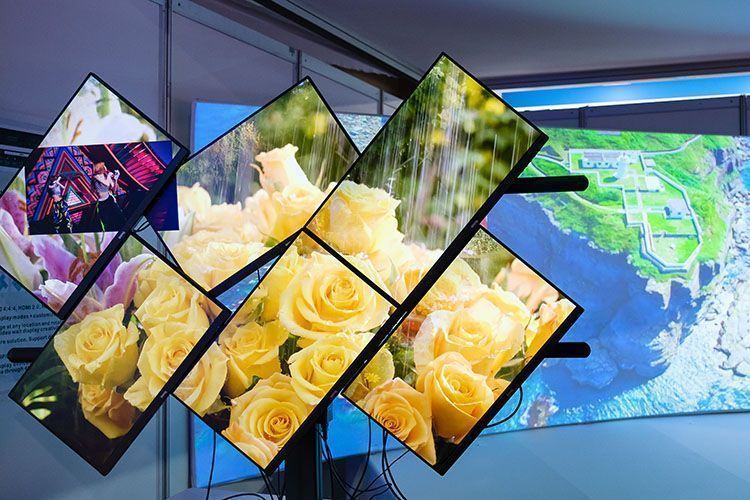
Dover concludes: "Flexible working is here to stay, with some companies introducing it gradually and others redefining the working week with fixed days working from home. Companies are focusing on making office spaces an immersive and impressive experience, not just grey desks in an empty room. To get employees and clients excited about coming back, many organisations are upgrading their signage solutions; better-quality displays and more interactive technology help boost a brand's image and improve the working environment for everyone. In some particularly impressive cases, technology such as huge glass LED video walls is being installed, especially in lobbies and reception areas, to create that much-needed impact as soon as clients and employees walk into the building."
ISE 2022
At ISE 2022, the Unified Communications and Education Technology Zone in Hall 2 will present the latest solutions for equipping multi-site companies, boardrooms, offices and corporate training facilities. Technology for the corporate sector can also be found throughout the Fira, from microphones and loudspeakers in Hall 7 to digital signage solutions in Hall 6 and smart building technologies in Hall 2.
Attendees can also register for the Smart Workplace Summit on Tuesday 1 February, which will analyse all the latest industry trends and discuss what the future may hold
Mike Blackman, managing director of Integrated Systems Events, explains: "As a physical, in-person event, we are in a unique position to bring together every element of the industry under one roof. We are looking forward to seeing everyone. In preparing for Barcelona, we have worked hard to ensure that ISE 2022 offers a safe, enjoyable and highly valuable experience for the industry to showcase innovations and draw inspiration from the highlights of the market. We hope to see you there."
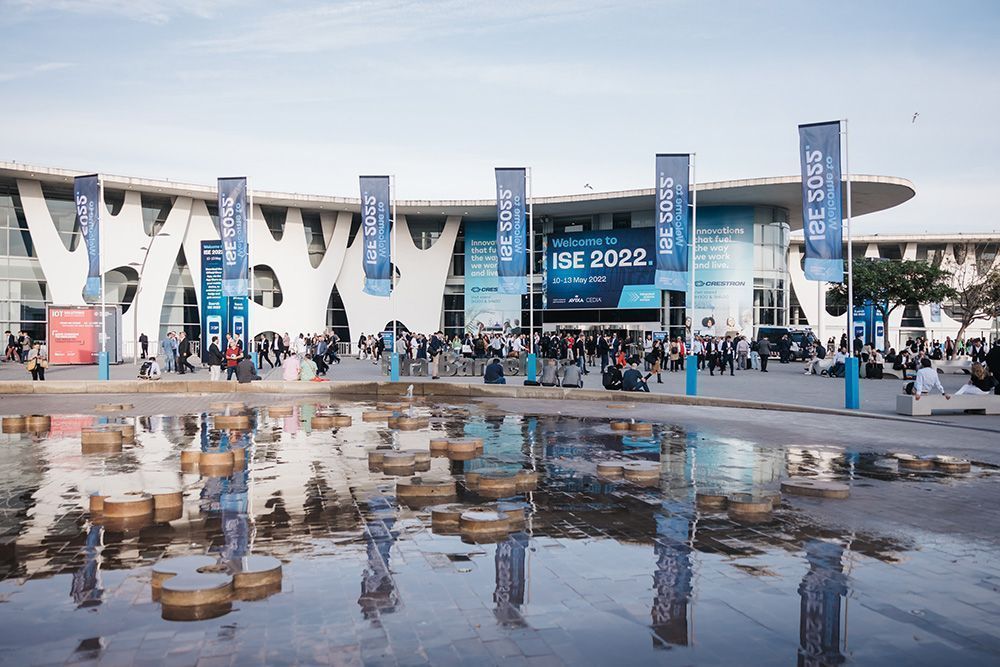
Integrated Systems Europe (ISE) 2022 will take place at Fira de Barcelona Gran Via from 1 to 4 February 2022.
You may also like
PPDS PHILIPS INTERACTIVE DISPLAYS
ISE in 60 seconds
The latest dedicated direct view LED series
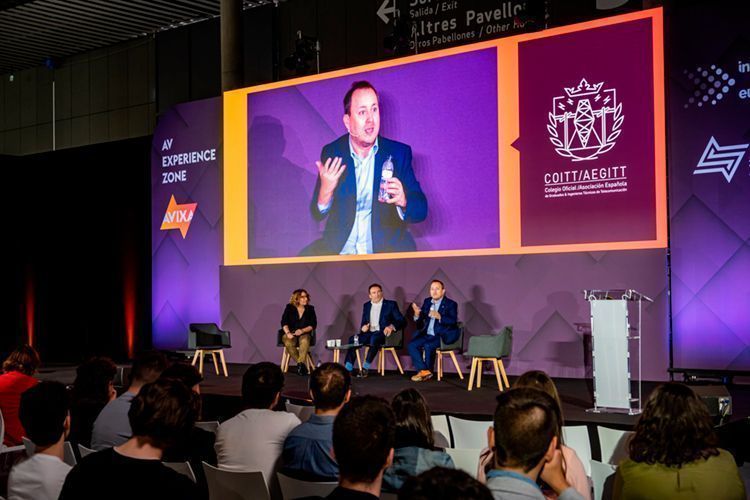
AVIXA AV Experience Zone at ISE 2022 draws 1,400 attendees
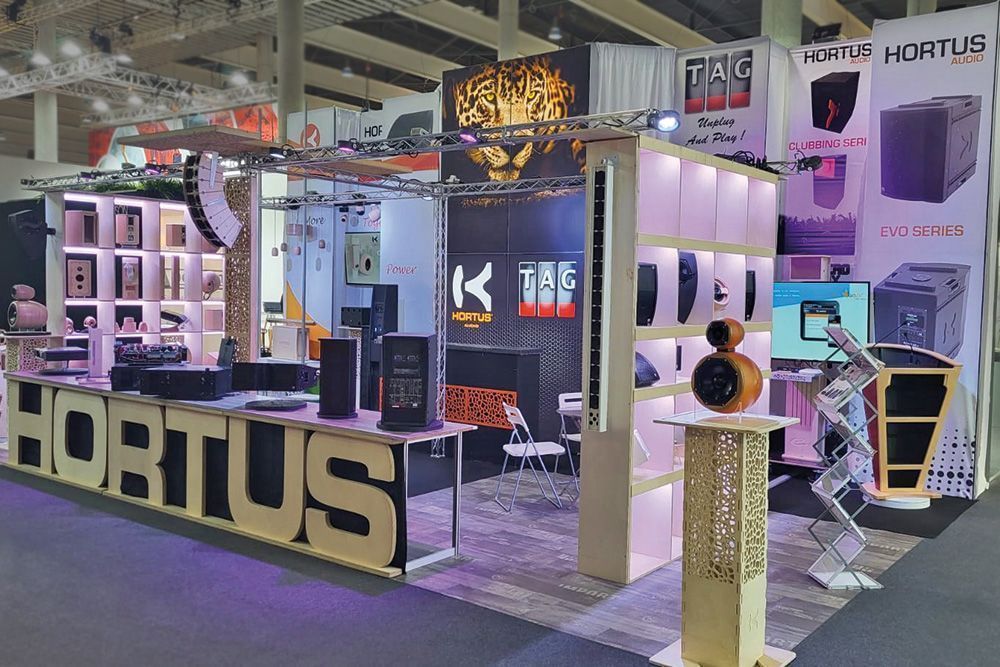
Hortus Audio and TAG showcased at ISE 2022
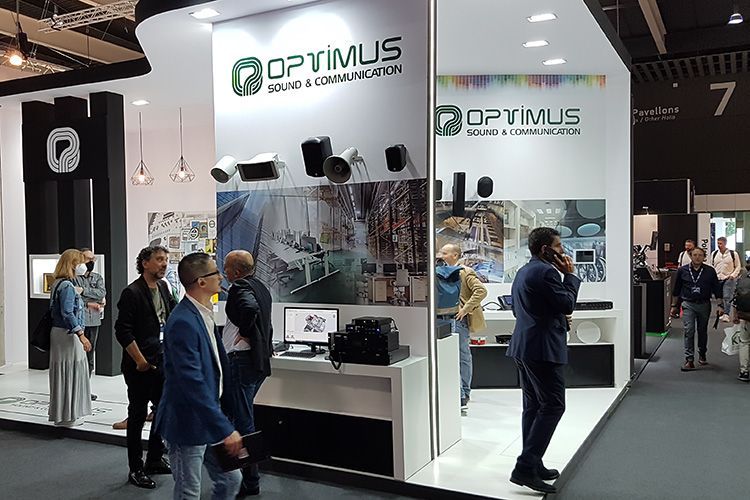
OPTIMUS DA-4PM modular amplifiers for PA and voice alarm

Sony at ISE 2022: Crystal LED, BRAVIA 4K and TEOS Meet
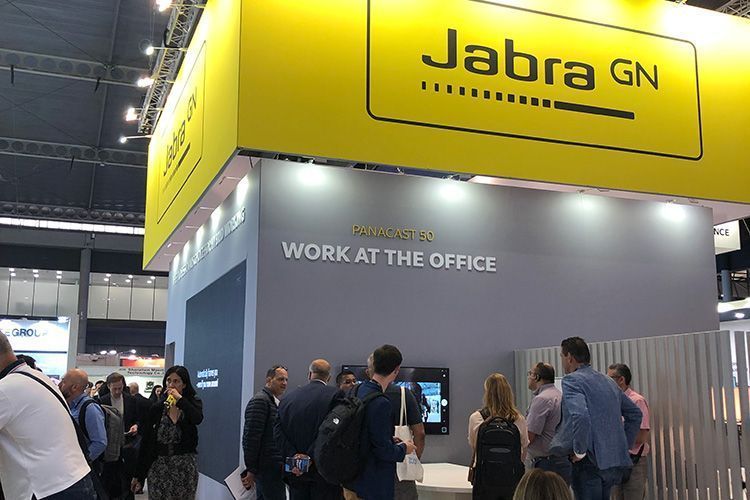
Jabra Engage 55 and PanaCast 20 for hybrid work at ISE 2022
ISE 2022 Barcelona Recap: ISE Returns in January 2023
Panasonic Connect ISE 2022 stand: behind the scenes
Shure MXA920 ceiling array microphone launched at ISE 2022
FRENETIK unveils the Resist series at ISE 2022
Kramer showcases KDS-7 AVoIP and VIA Connect² at ISE 2022
AVIXA at Integrated Systems Europe
AV Experience Zone at ISE 2022: connecting Spanish end users
BROMPTON TECHNOLOGY LED TECHNOLOGY
Yamaha ADECIA conference audio solutions at ISE 2022
nsign.tv digital signage platform debuts at ISE 2022
Video: AV Experience Zone at ISE 2022 in Barcelona
ISE 2022 arrives in Barcelona, May 10-13
AVIXA at ISE 2022: AV Experience Zone, CTS and training

ISE 2022 launches a creative programme
AVIXA AV Experience Zone returns to ISE 2022 in Barcelona
ISE 2022 Tech Zone: Education
Looking forward to ISE 2022

Shure to provide full audio support for packed ISE 2022
AtlasIED at ISE 2022: Atmosphere and EN 54-24 loudspeakers
ISE teams up with IOT Solutions World Congress
After consulting with the exhibitor ISE 2022 rescheduled

ISE the latest AV Hospitality sector
Education in times of hybrid learning digital signage
AV in retail: putting the customer first ahead of ISE 2022
The Keys to the Smart Building and residential
Over 700 exhibitors confirmed for ISE 2022

ISE teams up with LLUM BCN light festival
ISE 2022: great expectations ahead of the show in Barcelona
Barcelona - sharing the excitement
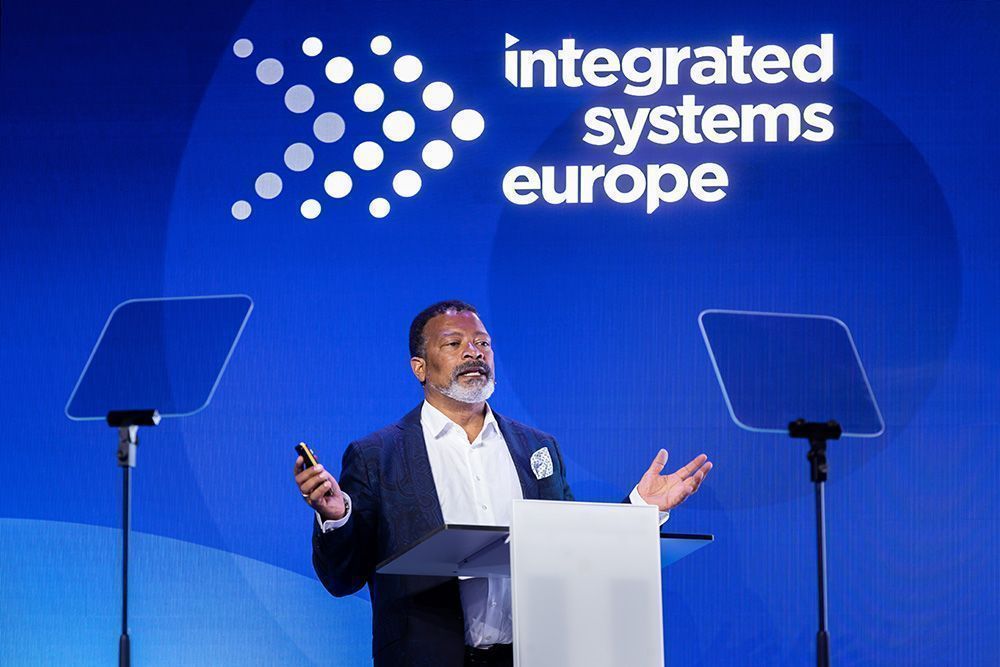
Mike Blackman interview ISE 2022
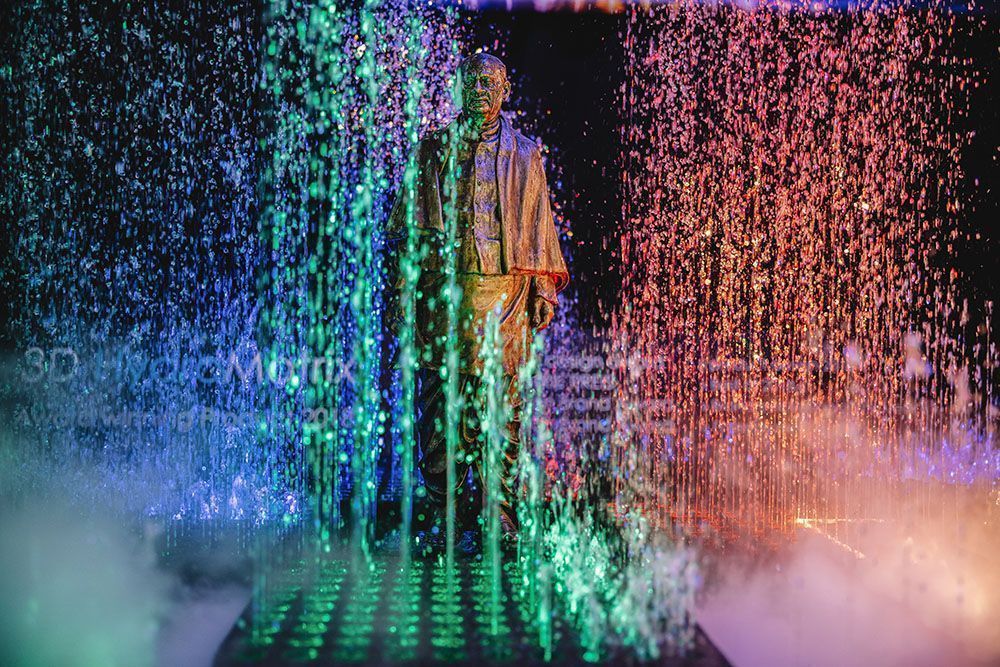
Visitor registration opens for ISE 2022 Barcelona

The Jeroen Pit House begins as ISE community rallies

HK Audio promotes Isabelle Wear to Head of Sales EMEA
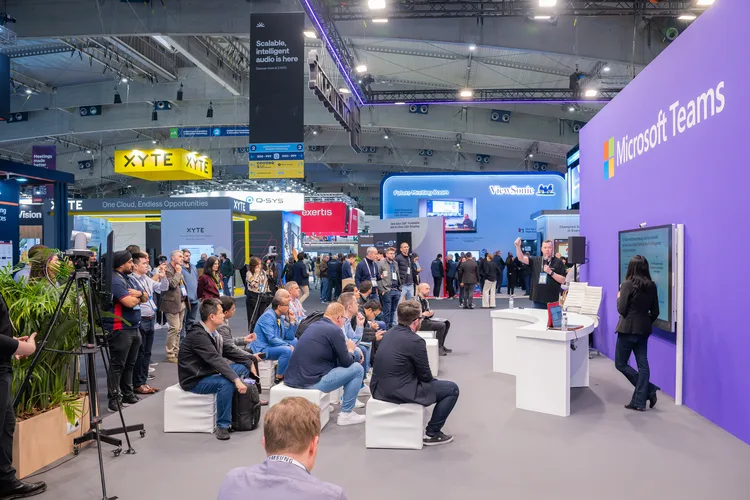
ISE 2027: a working TV studio, AI at work and 1,500 drones

Genelec bolsters its Western Europe team
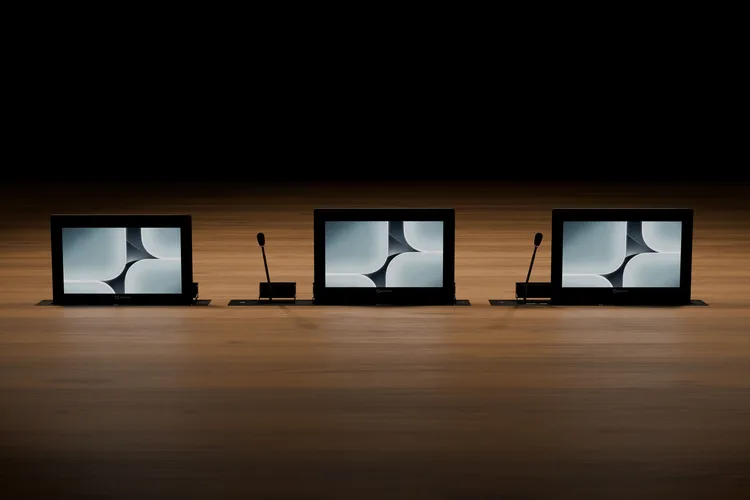
SOLTEC unveils its RET-G retractable monitors
Neutrik brings TRUE1 and DR Series to JTSE 2026
TBS Education warns of AI bias when hiring staff
Panasonic and HIVE: 80% less AV infrastructure
IDC names Shure a Leader in AI meeting rooms
AVPro Edge MXnet 10G-MSE: 4K and H.265 from one encoder

500 Sony BRAVIA displays connect 100 stores
Sony: the traditional office is falling behind

Datapath to operate under the VITEC brand in 2027
40 giant Sony displays for collaborative learning

OPTIMUS installs 19 SIP intercoms at a Mexican power plant
LEA Cloud diagnoses issues without on-site visits
Genelec equips a music school with 143 loudspeakers

AVIXA appoints Marco Pardi as new chief executive
Spark 2027 to open with Casa Batlló mapping artists