












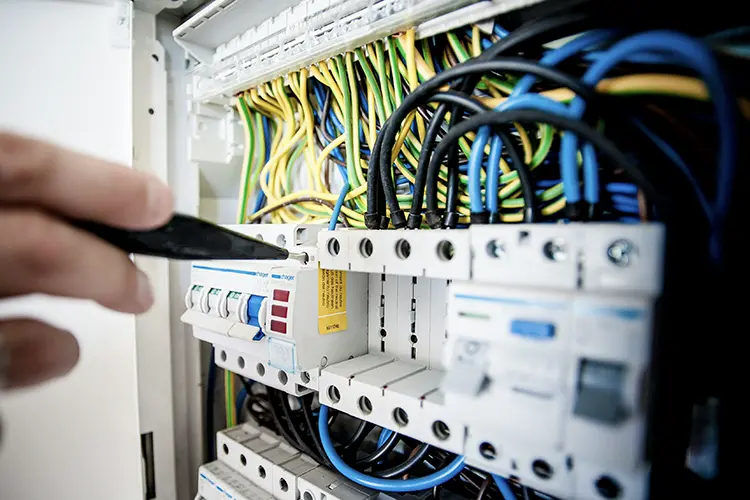
The growth of AV systems in contemporary projects is reshaping their role within building infrastructure.
What was traditionally considered a functional layer—displays, control, and signal—is now consolidating as a significant electrical load, with direct implications for sizing, distribution, and energy management.
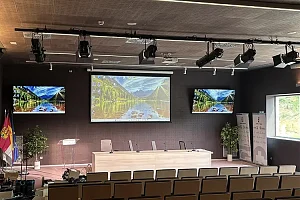
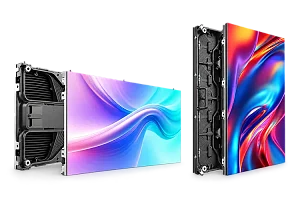
This shift is driven by the widespread adoption of large-format LED displays, high-capacity video processors, and high-power PoE-based network architectures. Together, these systems increase energy density per square metre and shift the focus from total consumption to how that energy is distributed and managed.
 One of the less discussed aspects is the difference between nominal consumption and actual behaviour. In particular, LED displays present non-linear load profiles: consumption varies depending on content, brightness levels, colour temperature, or calibration algorithms. This generates demand peaks that are not always reflected in technical specifications and, without proper modelling, can compromise the sizing of circuits, protection systems, and backup infrastructure.
This variability is compounded by the concentration of power at specific points. The proliferation of high-density equipment racks—including processors, matrices, and high-capacity PoE switches—creates scenarios where loads are not evenly distributed but grouped into critical nodes. This concentration increases demands on infrastructure: greater thermal dissipation capacity, circuit-level load control, phase balancing, and, in many cases, electrical redundancy to ensure operational continuity.
The widespread deployment of PoE adds another layer of complexity. While it simplifies power distribution to end devices, it centralises load in switches that can easily exceed several kilowatts per unit. This forces a rethink of rack design, forced ventilation, and electrical protection, particularly in installations where technical space is limited.
At the same time, integration between AV systems and building energy management systems (BMS) remains limited. In most projects, the audiovisual system operates as an independent subsystem, without real-time data exchange or dynamic adaptation capabilities. This prevents, for example, reducing consumption based on occupancy, adjusting brightness levels according to environmental conditions, or participating in demand control strategies. From an energy perspective, this lack of integration results in a loss of operational efficiency.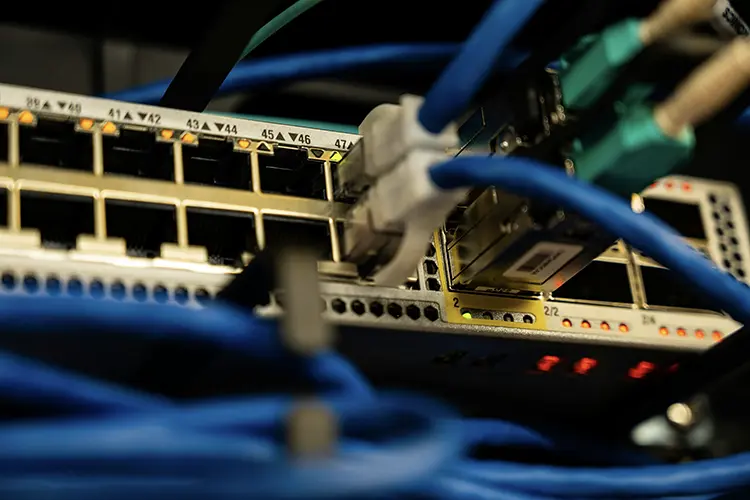 These limitations become even more evident in existing buildings. Many electrical infrastructures were not designed to support high load concentrations or dynamic consumption profiles. The integration of advanced AV systems may require reconfiguration of electrical panels, redistribution of circuits, or even an increase in contracted capacity. In this context, the energy constraint shifts from a secondary consideration to a determining factor in the project’s technical feasibility.
In response, some integrators are adopting methodologies closer to electrical engineering than traditional AV design. This includes load simulations under different usage scenarios, simultaneity analysis, consumption segmentation by subsystem, and real-time monitoring. These tools make it possible to anticipate behaviour, optimise sizing, and reduce operational risks.
The evolution of audiovisual systems toward high energy density introduces a shift in approach. Design can no longer rely solely on visual quality or processing capacity criteria, but must incorporate variables such as supply stability, energy efficiency, and compatibility with existing infrastructure. In this context, AV is no longer an isolated system but becomes effectively integrated into the building’s energy architecture.