













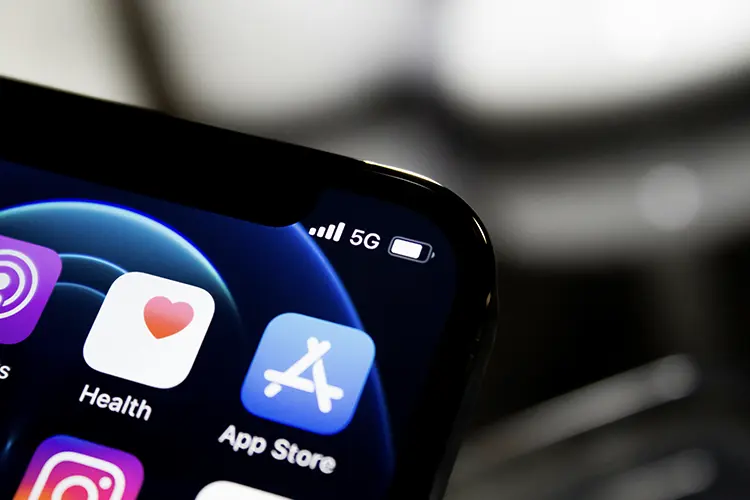
The implementation of 5G networks is one of the most significant advances in the field of telecommunications.
With exponentially higher connection speeds, near-zero latency, and massive device connectivity capacity, 5G is positioning itself as the catalyst transforming how entire industries interact and reinvent themselves.
In this context, 5G technology not only revolutionizes IoT device connectivity but also drives new business models and innovative applications across sectors such as healthcare, transportation, and industry.
Technical implementation and characteristics of 5G
5G is defined by three fundamental pillars: high speed, low latency, and capacity to connect a large number of devices simultaneously. These capabilities are made possible thanks to a renewed network architecture that uses higher frequencies, advanced modulation techniques, and a small-cell infrastructure. These smaller, denser cells enable efficient coverage in both urban and rural areas, ensuring consistent service quality even in high-density environments.
From a technical standpoint, implementing 5G has required a reinvention of network architecture. New virtualization technologies and the adoption of cloud computing enable more dynamic and flexible network resource management. This not only optimizes spectrum use but also makes it possible to offer personalized, adaptive services based on real-time user or application demands.
Impact on IoT connectivity
The convergence of 5G and the Internet of Things (IoT) opens a wide range of possibilities that transform both how devices connect and how generated data is processed and analyzed. The 5G infrastructure can support millions of connected devices simultaneously, which is essential in smart urban environments and industrial applications involving large numbers of sensors and actuators.
In the IoT space, 5G’s low latency enables almost instantaneous communication between devices. This is crucial for real-time critical applications such as remote patient monitoring in healthcare, energy-grid control systems, or automation solutions in industrial production lines. The ability to receive and process data immediately ensures that systems can respond to any event, optimizing processes and improving operational efficiency.
Boosting new business models
The 5G revolution is driving the creation of new business models and services that were previously unfeasible with older technologies. Industries see in this technology the opportunity to develop applications and solutions that transform both the customer experience and operational processes. Notable beneficiaries of this transformation include healthcare, transportation, and industry.
Healthcare
 In the healthcare sector, 5G enables advanced applications that improve both medical care and hospital management. Telemedicine greatly benefits from high-speed connectivity and low latency, allowing real-time remote consultations, robot-assisted surgeries, and continuous remote patient monitoring. These applications enhance access to medical services in rural or hard-to-reach areas and optimize healthcare resources by enabling faster diagnoses and personalized treatments based on real-time data analysis.
Transportation
In transportation, the implementation of 5G is essential for the development and operation of autonomous vehicles, intelligent traffic management systems, and shared mobility solutions. The interconnection of vehicles with transport infrastructure and centralized control systems enables more efficient coordination, reducing reaction times and minimizing accident risks. Likewise, logistics and freight transport benefit from real-time tracking capabilities, optimizing routes and improving supply-chain efficiency.
Industry
Industry 4.0 is booming thanks to the integration of 5G, which facilitates the implementation of smart factories and automated production systems. Robust connectivity enables the interconnection of machinery, control systems, and monitoring devices, resulting in more efficient production processes and the ability to perform predictive maintenance. With the analysis of large volumes of data generated by IoT sensors and devices, companies can identify potential failures before they occur, reducing downtime and optimizing operational performance.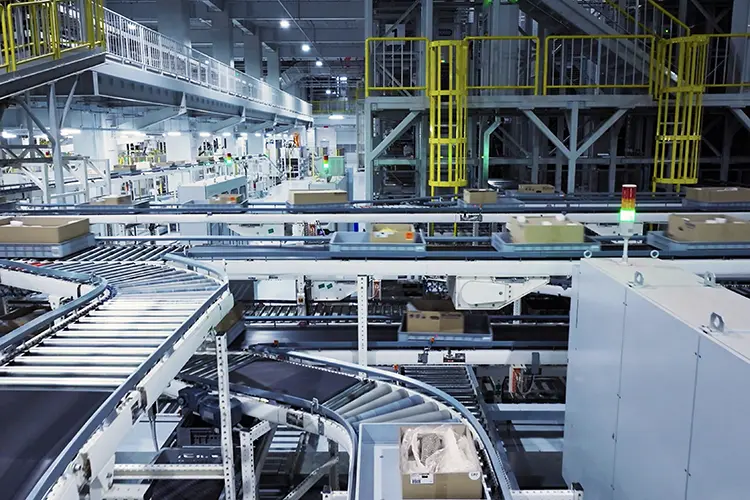
Challenges and future perspectives
Although the benefits of 5G are evident, implementing this technology also brings significant challenges. The initial infrastructure investment, the need to update existing systems, and the management of security in highly interconnected networks require careful planning and close collaboration between public and private sectors.
Deploying 5G also demands coordinated efforts to ensure interoperability among different providers and devices. The creation of open standards and robust regulatory frameworks is essential to ensure secure and efficient technological integration. Likewise, data protection and cybersecurity become top priorities given the increase in connected devices and the massive transfer of sensitive information.
Looking ahead, 5G is poised to become the foundation upon which the next generation of applications and services will be built. The expansion of 5G networks will enable the integration of emerging technologies such as artificial intelligence, edge computing, and augmented reality, creating an even more dynamic and connected digital ecosystem. This scenario promises to transform how we interact with our environment, driving innovation in key sectors and opening new business opportunities.
Conclusion
The 5G revolution marks the beginning of a new era in technological integration, redefining connectivity and offering solutions that transform entire industries. With its capacity to support massive connectivity, process data in real time, and enable advanced applications, 5G becomes a fundamental element for the development of smart cities, automated factories, and high-precision healthcare systems.
Despite the challenges inherent in its implementation, the benefits in terms of efficiency, security, and new business creation make investment in this technology a decisive step toward the future. Collaboration among governments, companies, and technology organizations will be essential to fully harness the potential of 5G, ensuring that digital transformation becomes a driver of progress and competitiveness in the global economy.
Ultimately, the 5G revolution not only promises a substantial improvement in connectivity but also drives a technological integration that redefines how we live, work, and connect with our surroundings. With each advance in this technology, new doors open toward a more interconnected, efficient, and forward-looking digital future.