










Audiovisual integration has evolved from a technical discipline into a tool for business transformation.
The integrator as an experience architect
Today’s market-leading integrators are not mere suppliers: they are strategists of the physical space, capable of delivering ROI, emotion, interaction, and efficiency in any environment.
This article explores sectors where AV can multiply the value of the space: from retail, stadiums, hotels, and airports to universities, smart homes, collaborative environments, security, and control. We're not talking about boxes and cables—we're talking about turning every square meter into a living opportunity.
1. Retail, shopping malls, and DOOH: AV as a point-of-sale driver
Physical retail has changed. Against e-commerce, stores only survive if they become sensory, immersive, and personalized experiences.
Key applications:
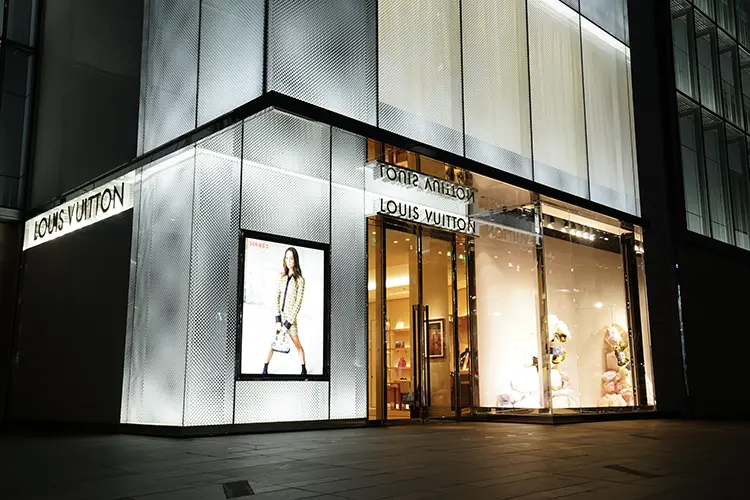
- Indoor LED screens and hybrid shop windows (fine-pitch or transparent): enable rich content, adaptable branding, and a “magnet effect” for passersby.
- Directional audio and zoned sound to create micro-experiences without interference. Ideal for corners, fitting rooms, or activation areas.
- Sensor integration (presence, flow, estimated age) + AI to adapt visual and audio communication in real time to the actual audience.
- Centralized digital content management (cloud CMS) for multi-site retailers, allowing DOOH campaigns synchronized regionally or per store.
Cases and strategy:
- Shopping malls can become intelligent advertising platforms by integrating LED systems + analytics + dynamic advertising.
- Integrators can partner with creative agencies, brands, or production companies to offer large-scale turnkey solutions.
Integrator proposal: Prepare "Flagship Store Ready" bundles including LED, audio, lighting, AI, and app-based control. Support with 3D simulations or virtual mockups.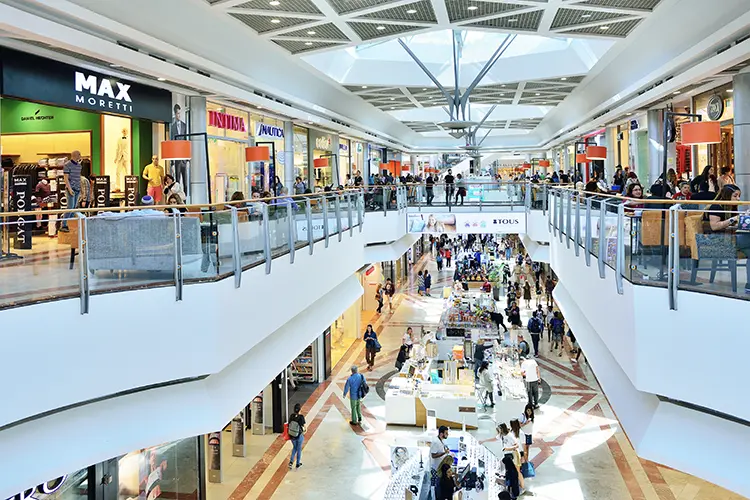
2. Hotels and restaurants: invisible technology, tangible comfort
Hotels are moving away from catalog AV solutions toward integrated design, efficiency, and differentiation.
In rooms and events:
- UC-certified systems (Zoom, Teams, BYOD) with DSPs, PTZ cameras, and touch panels integrated into furniture.
- Scene-based control: one button adjusts lights, blinds, screens, and HVAC for meetings, presentations, or relaxation.
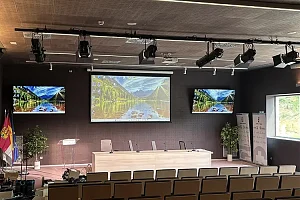
- LED screens in multipurpose halls (pixel pitch adapted to size and distance) for corporate events, weddings, or conferences.
In common areas and restaurants:
- Architectural lighting controlled via DMX or DALI, adjustable by schedule or guest profile (brunch, afterwork, gala...).
- Multitrack sound systems managed via app or scheduled automation, using brands like Powersoft, Symetrix, Bose, or Biamp.
- Digital signage in reception, elevators, or hallways, adapted by language at check-in or daily events.
Integrator proposal: Offer a free space audit + phased digitalization plan. Include ROI examples: increased perceived value, longer stays, upselling in dining.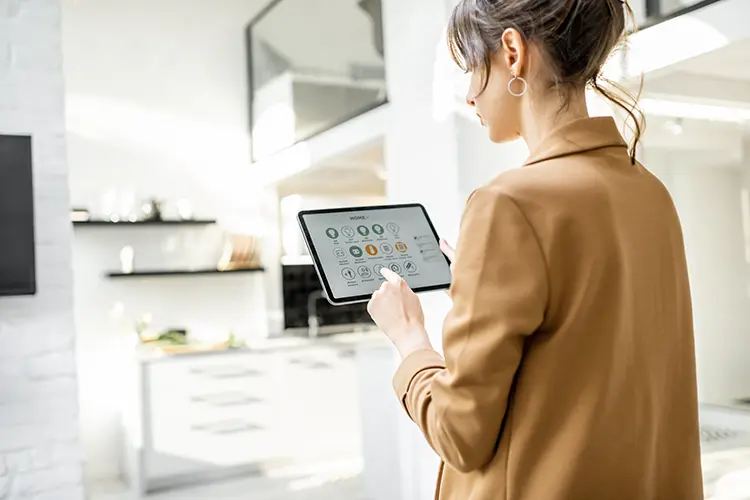
3. Airports, stadiums, and large-format DOOH: spectacle, control, and monetization
Airports:
- Multilingual digital wayfinding with LED and low-power e-paper displays, integrated with the flight system.
- Volumetric or extended reality displays for duty-free and premium areas.
- AV integration with security systems for automatic evacuation messages and dynamic voice guidance.
Stadiums, arenas, and sports venues:
- LED ribbons, video scoreboards, and LED façades for dynamic advertising, scores, and brand experience.
- Zoned sound systems with high SPLs and phase control to cover stands, VIP areas, and entrances without overlap or delay.
- Integration with user apps for synchronized content, voting, stats, or promotions.
Integrator proposal: Offer partial financing models through advertising exploitation, sharing revenue with the client.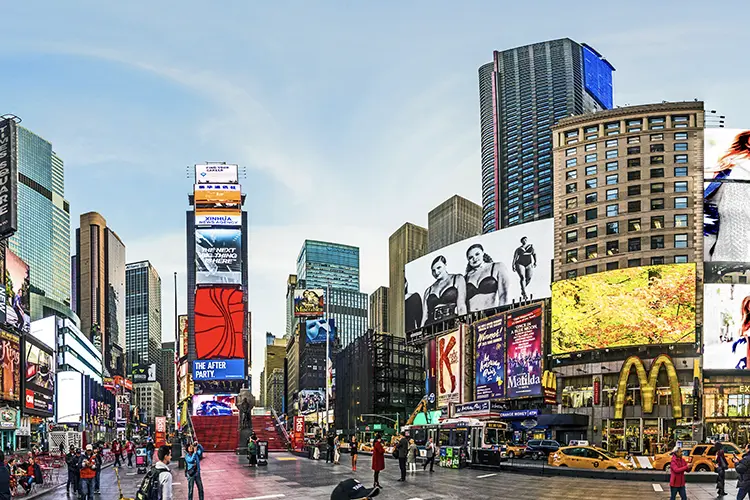
4. Control and AV security rooms: reliability, continuity, and critical visualization
Mission-critical environments demand redundancy, ergonomics, and global visibility. Here, AV is not decoration—it’s vital infrastructure.
Critical applications:
- High-reliability 24/7 LED videowalls (COB, Black SMD, PSU and controller redundancy) in security, traffic, utility, or emergency centers.
- IP-based KVM platforms and multiview with control from a single station, to monitor multiple sources (video, networks, alarms, sensors).
- Integration with video analytics, cybersecurity, and BMS (Building Management Systems) for advanced supervision.
- Ergonomic technical furniture + adaptive lighting to reduce visual and cognitive fatigue during long shifts.
Integrator proposal: Identify public agencies, traffic operators, private security firms, logistics or data centers with critical visualization needs. Create functional demos in showrooms.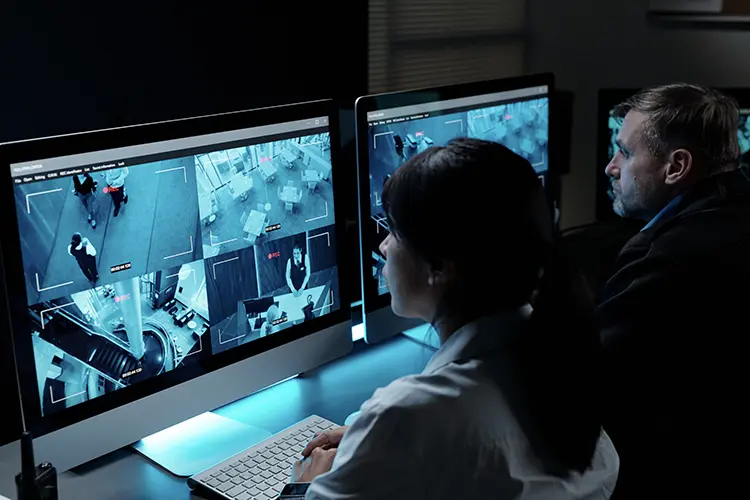
5. Universities and education: from classroom to content hub
The modern university has become a content producer, a collaborative platform, and a global hub.
Key AV solutions:
- Hybrid or mirror classrooms with PTZ cameras, interactive whiteboards, and automated recording.
- Voting, gamification, or BYOD systems managed from the cloud or LMS (Moodle, Canvas…).
- Compact recording studios (one-touch studios) for MOOCs or podcasts, integrated into libraries or faculties.
- Digital signage on campus to broadcast events, class changes, or alerts.
Integrator proposal: Design campus-by-campus modernization plans with real-world use scenarios, no commercial jargon. Support with training webinars for university technical staff.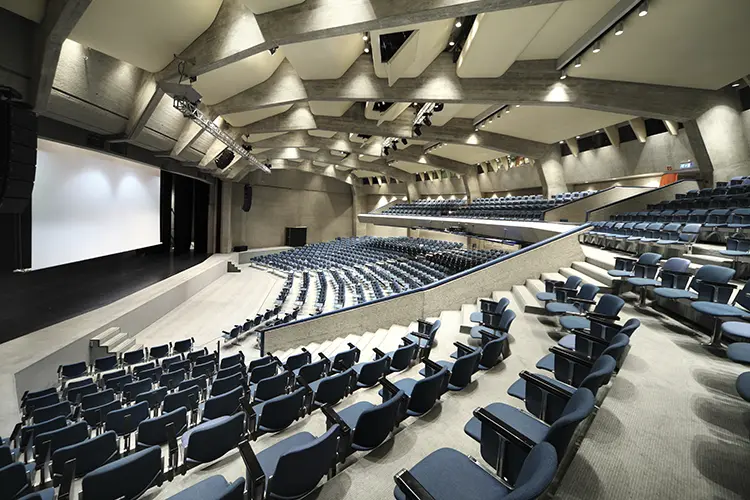
6. Corporate and collaboration: AV as a company culture catalyst
In offices, AV is no longer limited to projectors and screens. Today it’s about collaboration, connection, and efficiency.
Strategic applications:
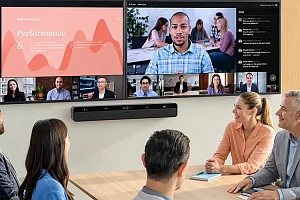
- Huddle rooms with compact UC and intuitive touch control, ideal for spontaneous meetings or agile work.
- Executive rooms with full iPad control, hidden microphones, auto-tracking cameras, and optimized acoustics.
- Open collaborative spaces with electronic whiteboards, 360º cameras, and focused sound.
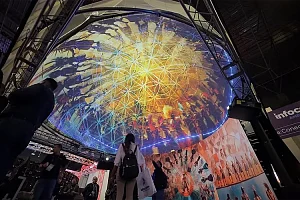
- Experience zones (onboarding, training, culture) with immersive LED, 3D sound, or reactive mapping.
Integrator proposal: Offer meeting room audits + tiered recommendations (basic / advanced / premium). Include comparative cost simulations between travel and AV collaboration.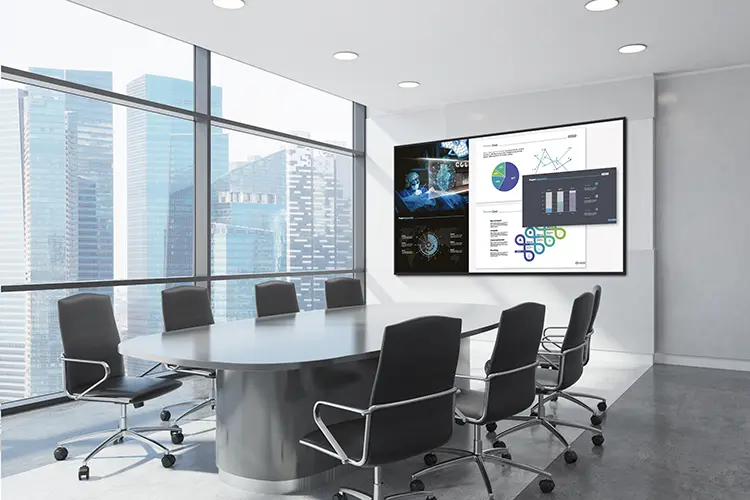
7. Smart residential: comfort, aesthetics, and full control
AV integration in upper-midrange homes is no longer exclusive. It’s a lifestyle extension, especially in single-family homes and vacation residences.
- Invisible or architecturally designed distributed audio (Amina, Origin Acoustics, DALI).
- Home theaters integrated into interior design, with motorized solutions, 4K projectors, and Atmos processors.
- Lighting and climate control by scenes, managed via mobile devices, wall panels, or voice assistants.
- IP intercoms, security cameras with local + cloud recording, integrated with lighting and alarms.
Integrator proposal: Offer showroom or demo home tours. Collaborate with architects, interior design studios, and developers to get involved from the blueprint stage.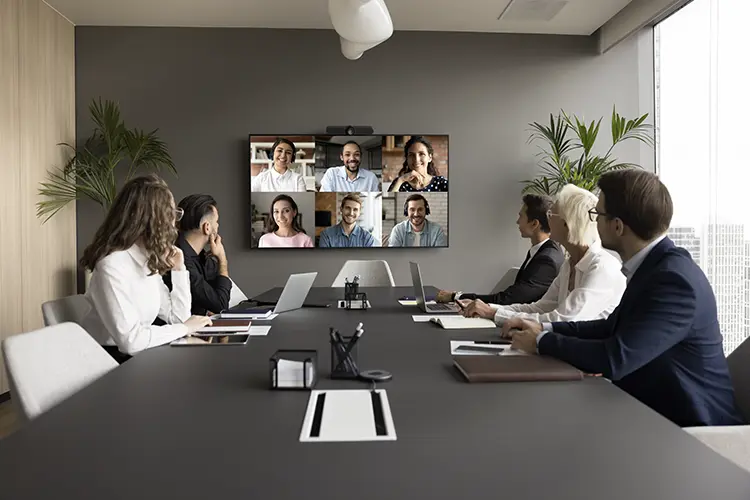
8. Commercial vision: how to unlock real opportunities
Strategic keys:
- Partner with architects and designers: ensures involvement from the construction phase.
- Create your own visual content (renders, videos, virtual mockups) so the client “sees” what doesn’t yet exist.
- Bundle solutions and present by vertical (retail, stadium, hotel), not by brand or model.
- Provide financing, leasing, or shared monetization when the end client lacks direct budget.
- Partner with creative agencies, production companies, or IT consultancies to enter projects as a partner.
Conclusion: leading transformation from the invisible
AV is not a superficial layer. It is the backbone of new functional, emotional, and efficient architecture. The integrator no longer connects screens: they connect the user to the space, the client to their audience, the business to its profitability. In a world where everything competes for attention and differentiation, spaces that sound, light up, guide, connect, and excite are the ones that win.