











74% of educators link technology quality with student participation.
In an increasingly digitized educational environment, technology plays a crucial role in creating effective and accessible learning experiences. However, it is not enough to integrate technological devices into classrooms; it is essential that these tools are ergonomic and designed to maximize the well-being and participation of students.
A recent survey reveals that 74% of educators believe that the physical comfort of the technology students use directly impacts their level of participation in classes. This data underscores the importance of considering ergonomics as a key factor when selecting educational tools, not only to facilitate learning but also to contribute to the physical and mental well-being of students.
Ergonomic technology products designed to meet the needs of students and teachers in all learning environments, from the classroom to home, aim to enhance academic performance and ensure that the teaching and learning process is as comfortable, effective, and inclusive as possible.
For example, using appropriate mice and keyboards can help students maintain proper posture and focus better during their academic activities. This is relevant as 60% of children aged 10 to 17 report discomfort from using laptops without supplementary tools.
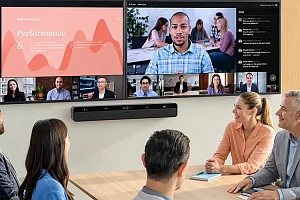
Moreover, in a context where hybrid learning is becoming increasingly common, video technology has allowed students to participate in more interactive and dynamic lessons, both in the classroom and at home. The use of quality cameras and microphones has facilitated the smooth flow of lessons, with 89% of teachers stating that it has enabled them to explain classes better, while 81% have observed an increase in student participation.
Audio technology also plays an important role in learning, especially for students aged 5 to 14, who are still developing their auditory processing skills. The use of headphones that reduce distractions and enhance concentration is essential to ensure a more effective educational experience.
Space adaptation by audiovisual integrators
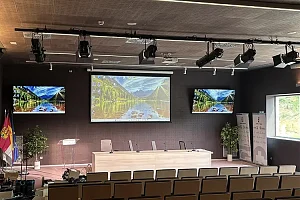
To maximize the benefits of technology in classrooms and educational spaces, the work of a professional audiovisual integrator is key.
These specialists can design and implement solutions tailored to the needs of each educational institution, ensuring effective integration of technological tools.
An audiovisual integrator can ensure that all devices, from cameras and microphones to audio and video systems, operate smoothly, with customized setups that fit the specific learning environment. Furthermore, it is essential that the systems are easy to use for both teachers and students, enhancing the educational experience without causing technological distractions.
Proper planning of the space, installation of ergonomic equipment, and integration of hybrid collaboration platforms are just a few examples of how an audiovisual integrator can transform a classroom into a dynamic, interactive, and comfortable environment. In this way, integrators help create educational spaces that promote collaborative learning and enhance the experience for all users.
In summary, ergonomic technological solutions are transforming the educational environment by providing tools that enhance both student well-being and teacher effectiveness, preparing them for future challenges. With the support of audiovisual integrators, these technologies can be implemented efficiently, creating classrooms truly adapted to the current demands of teaching.