








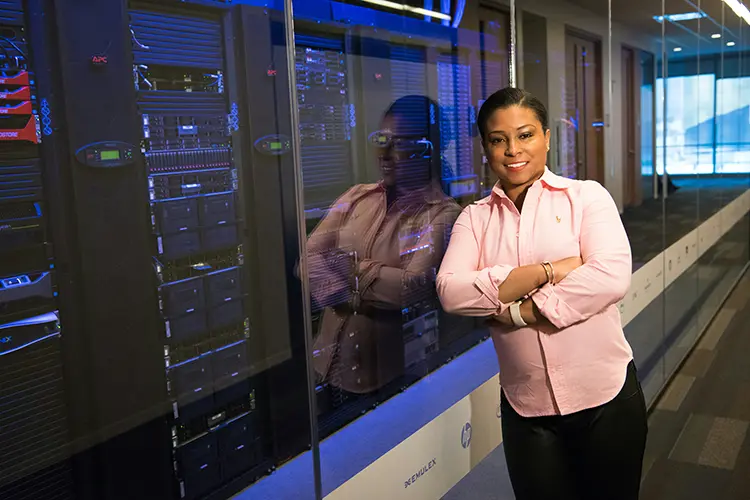
In the audiovisual technology universe, audiovisual integrators have emerged as essential figures.
They play a vital role in planning, designing, installing, and maintaining sophisticated systems in a wide range of environments, from homes to large-scale commercial complexes. Unlike traditional installers, their work transcends the mere physical arrangement of equipment, encompassing a deep technical and conceptual understanding of audiovisual system integration.
To succeed as an audiovisual integrator, an exceptional combination of technical and creative skills is required. This involves not only a solid understanding of audiovisual technologies, networks, and control systems but also the ability to conceive innovative solutions that adapt to each client's specific needs. Additionally, effective communication skills with clients and collaborators are essential to understand and meet their particular requirements.
 |
 |
Specific tasks of an integrator may include:
- System Design: Creating customized solutions that cater to specific client needs, considering both functionality and aesthetics.
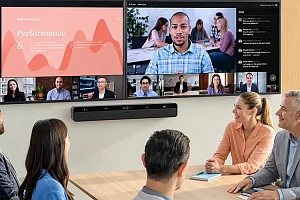
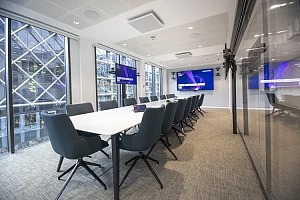
- Component Integration: Ensuring all system components, from displays and speakers to content management software and conference systems, work together efficiently.
- Programming: Developing and configuring the necessary software for systems to operate seamlessly and meet specific client requirements.
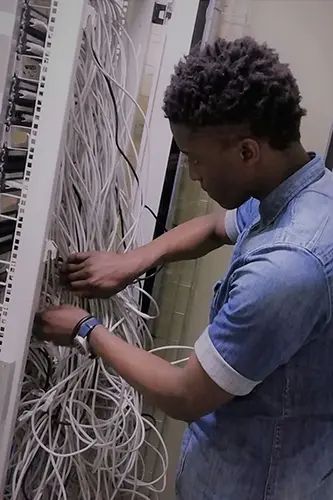
- Installation and Configuration: Overseeing the physical installation of equipment and configuring systems for optimal operation.
- Maintenance and Technical Support: Providing support services to troubleshoot issues and ensure systems continue to function correctly over time.
Audiovisual professionals have the opportunity to enhance their capabilities as integrators through training and certifications in specialized areas, such as automation control systems, AV networks, audiovisual system design, and project management. Additionally, professional development programs offer an invaluable platform to address crucial topics such as user-centered design and emerging industry trends.
Regarding their relationship with architecture and smart buildings, audiovisual integrators collaborate closely with architects and designers to seamlessly integrate audiovisual systems into the built environment. This involves not only aesthetic considerations but also functional ones, ensuring systems are intuitive and seamlessly integrated with the building's existing infrastructure.
In the realm of Smart Buildings and smart homes, integrators play a fundamental role in implementing automation systems that control various aspects of the environment, from audio and video playback to security and climate control. This requires a deep understanding of intelligent control systems and communication protocols, ensuring seamless integration among all connected devices.
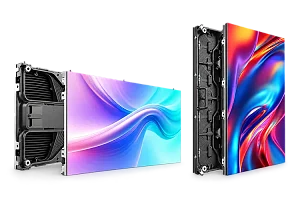
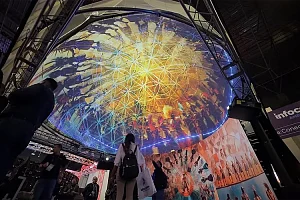
In terms of the systems and equipment they can install, integrators are trained to work with a wide range of technologies, including video equipment, projection, LED screens, security systems, and data networks. Their expertise allows them to design and implement customized solutions that meet the specific needs of each client, regardless of the environment in which they operate.
 The constant evolution of technology presents new challenges and opportunities for audiovisual integrators. The adoption of emerging technologies such as artificial intelligence, the Internet of Things (IoT), and augmented/virtual reality is redefining industry standards. Integrators must stay updated with these advancements to provide solutions that not only meet current expectations but anticipate future needs.
Sustainability is another crucial aspect integrators must consider. Integrating energy-efficient systems and using eco-friendly technologies not only benefits the environment but can also result in significant cost savings for clients. Integrators have the responsibility to advise and guide their clients towards solutions that are both effective and sustainable.
In summary, audiovisual integrators represent a crucial part of the modern industry, adapting to the growing demand for advanced and customized technological solutions. Their technical expertise and customer-focused approach make them indispensable professionals in the era of audiovisual technology, where their work directly impacts the improvement of collaboration, communication, and user experience in various contexts. The ability of integrators to innovate and adapt to new technological trends ensures they will remain a key player in building smart and highly connected environments.