











In the digital era, education is evolving towards new frontiers, and interactive classrooms are at the forefront of this transformation.
The integration of systems stands as the foundation upon which we build dynamic and participatory educational experiences, marking the beginning of an exciting chapter in learning.
Redefining interactivity: beyond the traditional whiteboard
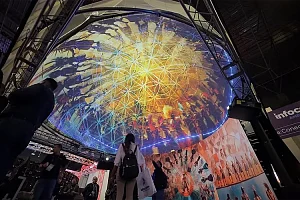
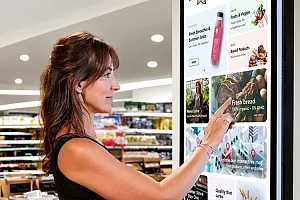
Goodbye to static lectures. Interactive classrooms go beyond the traditional whiteboard, allowing educators and students to interact in unimaginable ways. Touch panels, interactive projections, and real-time response devices combine to create an environment where learning is an immersive and participatory experience.
Borderless collaboration: connecting students and educators
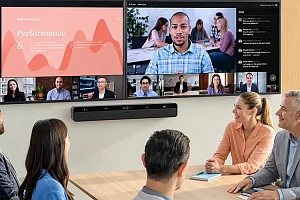
Collaboration is the essence of effective learning, and interactive classrooms are designed to break barriers. From cloud platforms to collaborative tools, an ecosystem is created where students and educators can connect regardless of distance. Joint projects, interactive debates, and real-time Q&A sessions are now a reality.
Personalized learning: adapting to each student
Every student is unique, and interactive classrooms recognize this diversity. Personalized learning becomes the standard, using data analysis to tailor content and activities to the individual needs of each student. Interactive classrooms not only teach but also learn and adapt to each student's pace.
Augmented and virtual reality: exploring new educational horizons
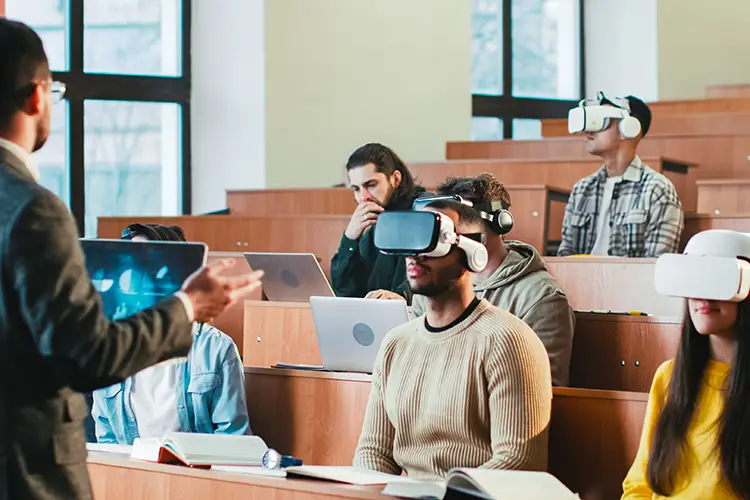
Interactive classrooms know no bounds. Augmented and virtual reality open windows to unexplored educational worlds. From virtual visits to historical sites to immersive simulations, we transform education into a three-dimensional experience that transcends the physical limitations of the classroom.
Real-time formative assessment: instant feedback
Assessment is no longer an event at the end of the lesson; it seamlessly integrates into the learning process. Interactive classrooms enable real-time formative assessments, providing instant feedback to students and educators. This not only enhances understanding of the material but also informs educators of necessary adjustments in real time.
In summary, interactive classrooms not only embrace technology but also merge it with pedagogy to shape the future of education, providing tools that transform classrooms into spaces where learning is collaborative, personalized, and exciting. The interactive classroom of the future is already here, and together we are writing a new chapter in educational history.